

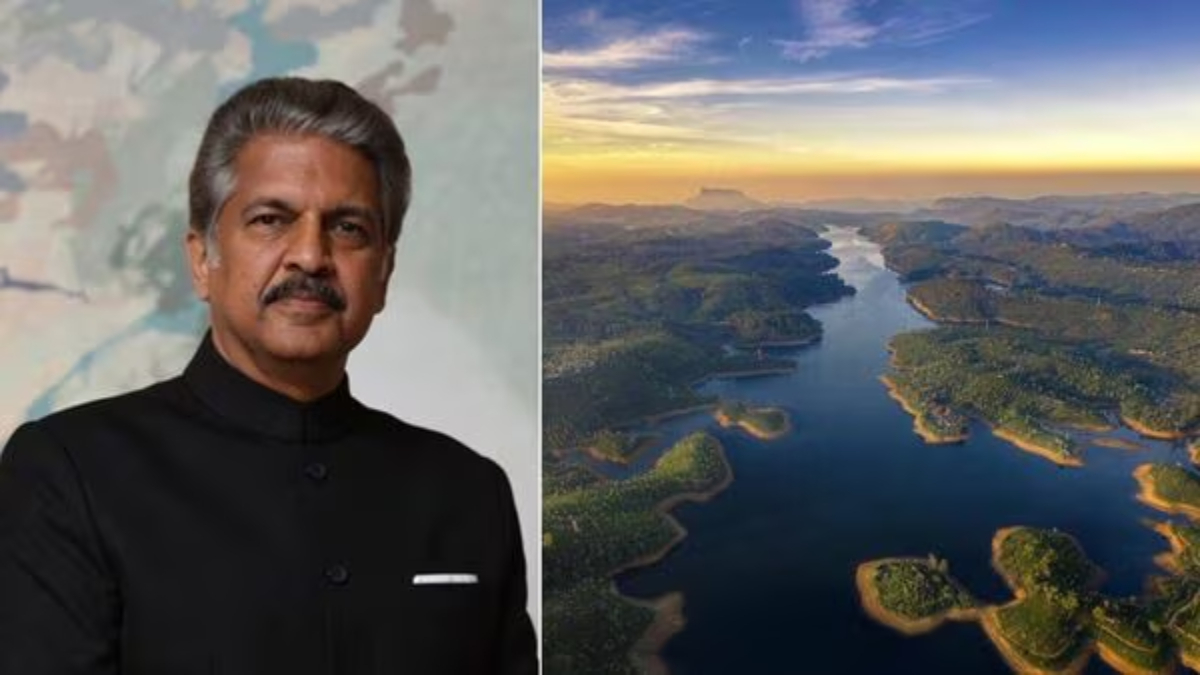
New Delhi, June 9, 2026: The peak summer holiday season often turns dream vacations into logistics nightmares. Across India, iconic hill stations like Ooty and Munnar are buckling under the weight of their own popularity, transforming from serene nature escapes into gridlocked urban extensions. Social media is regularly flooded with videos of multi-kilometer traffic jams, packed parking lots, and overcrowded viewpoints that leave travelers exhausted rather than refreshed.
Stepping into this growing conversation, industrialist Anand Mahindra recently took to X (formerly Twitter) to highlight the trap of over-tourism. While acknowledging that heavily frequented destinations must urgently address infrastructure strains, the Mahindra Group Chairman reminded his followers that India’s vast geography holds plenty of untouched treasures. To kickstart a movement toward sustainable travel, he spotlighted a pristine, lesser-known alternative: Valparai in Tamil Nadu.
Sharing a series of breathtaking photographs captured by photographer Rakesh Pulapa, Mahindra described the tranquil hill town in a way that instantly captured the internet’s imagination: “From these photographs, it looks like the Munnar many of us wish we had seen 30 years ago.”
Discovering Valparai: The Town Floating in Tea
Nestled at an elevation of roughly 3,500 feet above sea level, Valparai is a hidden gem tucked away in the Anamalai Hills of the Western Ghats, located in the Coimbatore district of Tamil Nadu. Unlike typical mountain getaways that have been heavily commercialized with sprawling shopping avenues, wax museums, and concrete hotels, Valparai’s identity remains strictly defined by nature and its century-old tea plantations.
The journey to this hidden paradise is an adventure in itself. Reaching Valparai requires navigating a legendary stretch of road from Pollachi that winds up 40 adrenaline-pumping hairpin bends. As you climb higher, the air grows crisp, the city noise fades away, and the landscape opens up to reveal dramatic mountain vistas, deep valleys, and cascading waterfalls.
For many travelers, this breathtaking drive feels less like a commute and more like the destination itself, offering numerous panoramic viewpoints along the way, such as the Aliyar Dam and Monkey Falls.
A Haven for Wildlife and Biodiversity
What truly separates Valparai from commercialized hill stations is its location within one of the world’s premier biodiversity hotspots. It doesn’t just sit next to nature—it is seamlessly integrated with it. The town is bordered by the Indira Gandhi Wildlife Sanctuary and National Park, making it a dream destination for eco-tourists and wildlife enthusiasts.
It is entirely common to spot wild animals here, as the surrounding forests and tea gardens act as active wildlife corridors. Travelers frequently encounter:
- Endangered Mammals: The region is a vital habitat for the Nilgiri Tahr (a rare mountain goat) and the Lion-tailed Macaque, a shy, endangered primate unique to the Western Ghats.
- Majestic Herds: Wild Asian elephants and massive gaur (Indian bison) are known to calmly stroll through the peripheral tea estates.
- Birdwatcher’s Paradise: The canopy is alive with rare birds, most notably the majestic Great Hornbill, the Malabar Pied Hornbill, and the Grey Malabar Hornbill.
For an immersive wilderness experience, a visit to Chinna Kallar is highly recommended. Known as one of the wettest places in India, this area receives extraordinary amounts of rainfall, resulting in a magical, perpetually misty landscape. A narrow, winding trail through dense jungle leads travelers to a stunning waterfall, where the only sounds are rushing water and distant bird calls.
The Double-Edged Sword of the “Viral” Recommendation
While Anand Mahindra’s post struck a chord with thousands of weary travelers looking for a quiet escape, it also triggered an intense online debate about modern travel culture and the ethics of promoting hidden gems.
Almost immediately after the post went viral, a wave of anxiety washed over local residents and protective travelers. Many users begged the industrialist to delete the post, fearing that “amplifying” the location would invite the exact same commercial greed, plastic pollution, and traffic chaos that ruined Ooty and Munnar. “Please keep it a secret,” echoed across the comments section, highlighting a real fear that viral fame can destroy an ecosystem overnight.
This clash of opinions brings a major dilemma to light: Should we promote lesser-known places to ease the burden on dying, overcrowded tourist hubs? Or does doing so simply spread the crisis of over-tourism to India’s last remaining sanctuaries?
Cultivating a Mindset of Mindful Travel
The consensus among travel experts is that shifting tourism to offbeat locations like Valparai can create great economic opportunities for local communities, but only if it is backed by strict eco-tourism regulations. Valparai’s charm lies in its slow pace, its lack of crowded markets, and its deep connection to the environment. Preserving that requires travelers to adopt a mindset of respect rather than consumption.
For those planning to visit Anand Mahindra’s favorite crowd-free escape, keeping a few sustainable travel principles in mind makes a world of difference:
- Leave No Trace: Valparai’s plastic-free initiatives are highly protected. Ensure you carry reusable water bottles and strictly avoid littering along mountain roads where wildlife feeds.
- Respect the Silence: Avoid playing loud music or honking excessively through wildlife zones. The quiet atmosphere is what keeps the animals comfortable and the environment serene.
- Support Local: Choose smaller, locally-owned homestays or plantation bungalows rather than pushing for mega-resort infrastructure.
How to Plan Your Escape
Valparai is a year-round destination thanks to its pleasant climate, but it truly comes alive during the post-monsoon and winter months (October to March), when the hills are carpeted in vibrant shades of green and the waterfalls flow at full strength.
- By Air: The nearest airport is Coimbatore International Airport, located roughly 119 km away.
- By Rail: Pollachi Railway Station serves as the closest railhead, situated about 64 km from the hills.
- By Road: Regular state transport and private buses operate from Pollachi and Coimbatore, though renting a car or driving offers the flexibility needed to stop at the various scenic dams and viewpoints, like Sholayar and Nirar.
Ultimately, Valparai stands as a living reminder of what mountain travel used to be. Whether it can maintain its pristine, untouched beauty after finding itself in the national spotlight remains to be seen.