

New Delhi, December 18, 2025: For decades, a James Cameron release hasn’t just been a movie; it has been a tectonic shift in cinema. From the liquid metal of Terminator 2 to the bioluminescent revolution of the first Avatar, Cameron has built a career on showing audiences things they truly had never seen before. However, as the third installment, Avatar: Fire and Ash, hits theaters this week, the legendary filmmaker finds himself in uncharted territory: the realm of the familiar.
Technical Mastery Meets Narrative Repetition
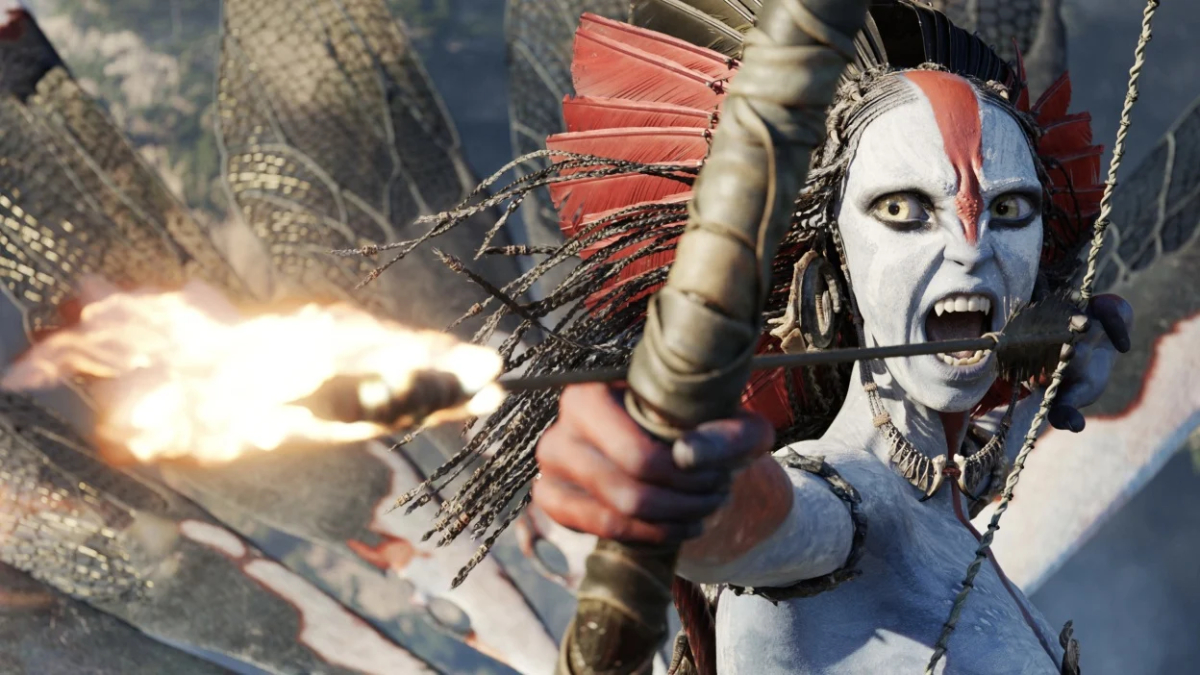
The initial reviews for Fire and Ash are in, and they present a fascinating paradox. Visually, the film is an undisputed triumph. Set to release globally on December 19, 2025, the “threequel” takes us back to the breathtaking wilds of Pandora, introducing the “Ash People”—a volcanic Na’vi clan led by the fierce Varang (Oona Chaplin).
The technology has reached a point of near-perfection. The water is wetter, the fire is hotter, and the facial motion capture is so precise it blurs the line between digital creation and human performance. Yet, many critics are noting a sense of “déjà vu.” While the first film gave us the forest and the second gave us the sea, the third film often feels like a remix of the same beats: a family on the run, a colonizing force that won’t quit, and a climactic battle that, while stunning, echoes the structure of its predecessors.
A New Kind of Villain
Despite the “seen-it-before” sentiment regarding the plot, the film earns high marks for its emotional depth. The story picks up shortly after The Way of Water, with Jake Sully (Sam Worthington) and Neytiri (Zoe Saldaña) grappling with the loss of their eldest son.
The standout addition is undoubtedly the Mangkwan clan. Unlike the spiritual Omaticaya or the peaceful Metkayina, these “Ash People” are hardened and aggressive. By introducing Na’vi who aren’t purely heroic, Cameron finally complicates the “good vs. evil” dynamic that some felt was becoming too simplistic. Oona Chaplin’s Varang provides a chilling foil to Neytiri, proving that the greatest threat to the Na’vi might just be themselves.
The “Middle Movie” Syndrome?
With a runtime clocking in at over three hours, some critics have dubbed it “the most beautiful screensaver ever made,” citing a lack of narrative urgency. On Rotten Tomatoes, the film debuted with a 70%—the lowest for the franchise so far—though still a “Fresh” rating by most standards.
The consensus seems to be that Fire and Ash is a “bridge” movie. It lacks the standalone “wow” factor of the first two but deepens the lore significantly for the fourth and fifth films already in the pipeline.
Verdict: See It for the Scale
Does Fire and Ash feel like something we’ve seen before? In terms of story structure, perhaps. But in terms of sheer cinematic scale, James Cameron remains in a league of his own. While the “newness” may be wearing off, the immersion remains unparalleled. For fans of the franchise, it is a rich, emotional expansion; for skeptics, it may be the moment the Pandora magic starts to feel like a predictable formula.