

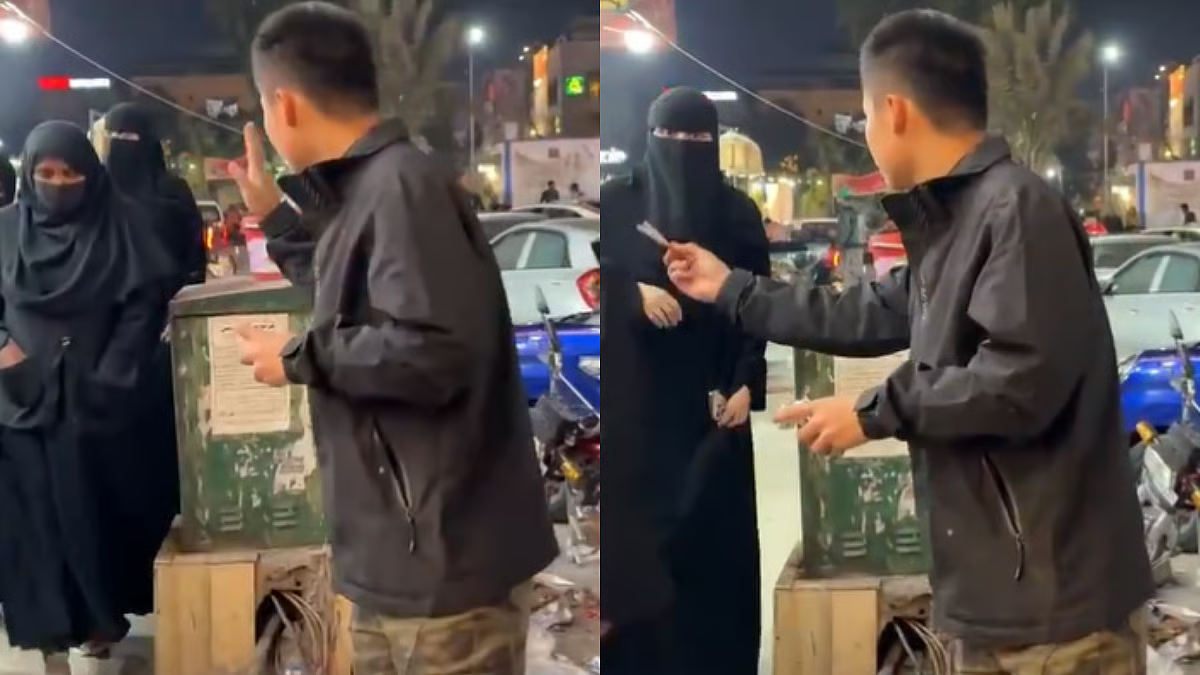
New Delhi, December 30, 2025: In a recent incident that has sparked significant outrage across social media, a video showing a Chinese national allegedly mocking burqa-clad women in Islamabad has gone viral. The footage, which began circulating heavily in late December 2025, has reignited sensitive debates regarding cultural respect, the safety of women in public spaces, and the diplomatic complexities of the China-Pakistan relationship.
The Incident: What the Video Shows
The viral clip, reportedly filmed in a commercial area of Pakistan’s capital, Islamabad, depicts a man identified as a Chinese national engaging in what onlookers and netizens have described as derogatory behavior.
In the video, the individual is seen gesturing toward women wearing the traditional burqa and niqab. Witnesses allege that the man made mocking remarks and attempted to film the women without their consent, leading to a tense confrontation. While the exact dialogue in the video is muffled, the body language and the reactions of the women involved—who appeared visibly uncomfortable and sought to move away—have fueled the public’s anger.
Public Reaction and Social Media Outrage
The video has triggered a firestorm on platforms like X (formerly Twitter), Facebook, and TikTok. Users have expressed a range of emotions, from deep offense at the perceived “Islamophobic” undertones to concerns about the “entitlement” of foreign workers in the country.
- Cultural Sensitivity: Many users pointed out that the burqa is a deeply respected symbol of modesty and religious identity in Pakistan. “Mocking someone’s faith and attire while being a guest in their country is unacceptable,” read one highly shared post.
- Security and Harassment: The incident has also been framed as a matter of street harassment. Activists have argued that women in Islamabad deserve to walk freely without being subjected to unwanted filming or ridicule, regardless of the perpetrator’s nationality.
- Diplomatic Echoes: Some commentators referenced a 2021 incident involving a Chinese diplomat who faced backlash for a “Hijab off” tweet. They argue that this repeat behavior suggests a recurring lack of cultural awareness among some foreign nationals stationed in the country.
The Broader Context: China-Pakistan Dynamics
This controversy comes at a delicate time for China-Pakistan relations. While the two nations share deep economic and military ties—largely through the China-Pakistan Economic Corridor (CPEC)—incidents involving the conduct of Chinese nationals have occasionally caused local friction.
Historically, Pakistan has gone to great lengths to ensure the security and comfort of Chinese workers. However, social media users are now calling on the government and the Chinese Embassy in Islamabad to take formal notice of the incident. There are growing demands for the individual involved to be identified and held accountable under local laws regarding public harassment.
Official Response
As of now, local law enforcement in Islamabad has not released a formal statement regarding any arrests. However, sources suggest that authorities are reviewing CCTV footage from the area to verify the sequence of events.
The Chinese Embassy has also not issued a public comment on this specific video, though they have traditionally urged their citizens to respect the “local customs and religious beliefs” of the Pakistani people during their stay.
A Call for Mutual Respect
This incident serves as a stark reminder of the importance of cultural diplomacy at the grassroots level. As Pakistan continues to host a large number of foreign expatriates for various development projects, the need for stringent “cultural sensitivity” training and a zero-tolerance policy for public harassment remains a priority for many citizens.