

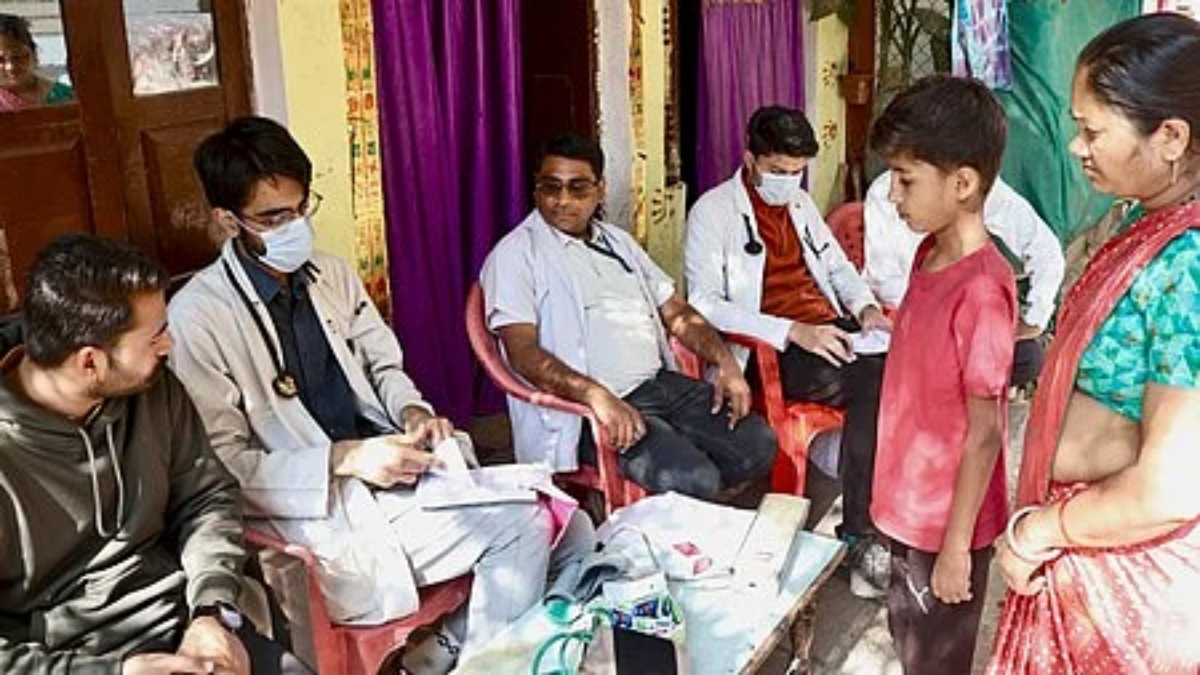
New Delhi, january 02, 2026: In a shocking turn of events, Indore—widely celebrated as India’s cleanest city for eight consecutive years—is currently grappling with a severe public health emergency. Contaminated municipal water has claimed at least 9 to 14 lives (with official and local figures varying) and left over 2,800 residents ill.
The crisis, centered in the Bhagirathpura area, has exposed a devastating lapse in urban infrastructure and administrative oversight. Here is a detailed look at what went wrong, the current situation, and how you can protect yourself.
What Went Wrong? The Anatomy of a Crisis
The tragedy in Indore was not a natural disaster but a man-made failure involving decades-old infrastructure and bureaucratic delays.
1. The Source of Contamination
Investigations revealed a catastrophic intersection of sewage and drinking water. A major leak in the main Narmada water pipeline occurred directly beneath a police check post. Shockingly, a toilet had been constructed over this pipeline without a mandatory safety tank.
- The Breach: Raw sewage and fecal matter seeped into the drinking water line through a loose joint or rupture.
- The Result: Residents began receiving yellowish, foul-smelling water that carried deadly bacteria, leading to a massive outbreak of gastroenteritis, vomiting, and diarrhea.
2. Ignored Warnings and Administrative Delays
Perhaps the most distressing aspect of the crisis is that it was preventable.
- Unheeded Complaints: Residents had been reporting “dirty water” and a “foul stench” for months. In 2025 alone, Zone 4 (Bhagirathpura) recorded dozens of formal complaints, many of which were closed by officials without actual resolution.
- Tender Delays: A project to replace the 30-year-old pipeline was approved as early as August 2025. However, the work remained stalled for four months due to administrative red tape. Ironically, the work order was only cleared on December 26, 2025, just as the first deaths were being reported.
3. Impact on the Community
The outbreak has hit vulnerable populations the hardest. Among the deceased are elderly citizens and a six-month-old infant. While the official death toll remains conservative, local residents and media reports suggest the number of fatalities is significantly higher.
The Government’s Response
Following the outcry, the Madhya Pradesh government and the High Court have stepped in:
- Suspensions and Dismissals: Chief Minister Mohan Yadav ordered the dismissal of a sub-engineer and the suspension of a zonal officer and assistant engineer for gross negligence.
- Medical Intervention: The state has announced free treatment for all affected patients. Emergency medical camps have been set up, and ASHA workers are conducting door-to-door screenings.
- Financial Aid: The government announced an ex-gratia of ₹2 lakh for the families of the deceased.
- Judicial Oversight: The Indore Bench of the Madhya Pradesh High Court has demanded a detailed status report and directed the Indore Municipal Corporation (IMC) to ensure an immediate supply of pure water.
How to Stay Safe: Essential Precautions
While the IMC is currently flushing the lines and supplying water via tankers, residents in Indore—especially in and around Bhagirathpura—should take the following precautions:
1. Treat Your Water
- Boil Everything: Boiling is the most effective way to kill waterborne bacteria. Bring water to a rolling boil for at least 1–3 minutes.
- Chlorination: Use chlorine tablets (distributed by health workers) if boiling isn’t an option. Ensure you follow the correct dosage.
- RO Maintenance: If you use a Reverse Osmosis (RO) system, ensure the filters are clean, but do not rely on it solely if the source water is heavily contaminated with sewage.
2. Practice High Hygiene
- Handwashing: Wash hands thoroughly with soap after using the restroom and before handling food.
- Food Safety: Wash vegetables and fruits with filtered or boiled water. Avoid eating raw or precut fruits from street vendors during this period.
3. Identify Symptoms Early
If you or a family member experience any of the following, seek medical help at a government hospital or Sanjeevani clinic immediately:
- Persistent vomiting or acute diarrhea.
- Severe abdominal cramps.
- Signs of dehydration (extreme thirst, dry mouth, or dark urine).
- Fever or extreme weakness.
The Road Ahead
The Indore water crisis is a grim reminder that “cleanliness” must go deeper than the surface. While the city shines in waste management, this tragedy highlights the urgent need for a “sub-surface” audit of aging water and sewage networks across all urban centers.