

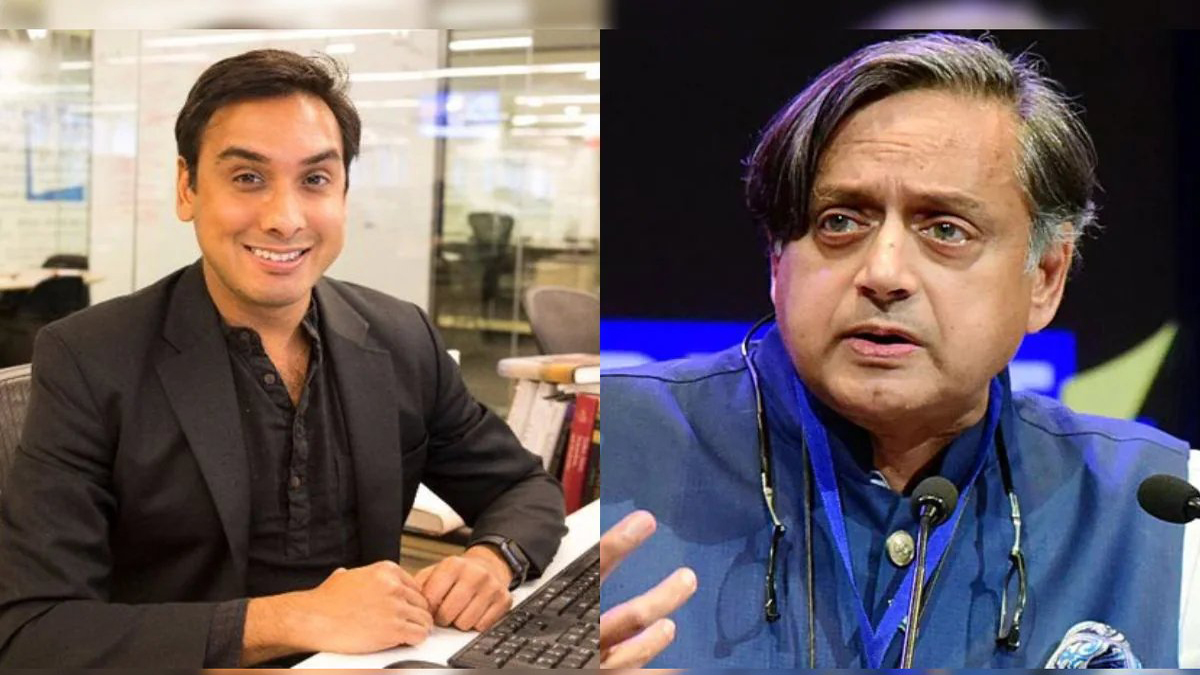
New Delhi, February 5, 2026: In what is being described as one of the most drastic newsroom purges in modern media history, The Washington Post has laid off more than 300 journalists, representing nearly one-third of its editorial staff. Among those affected is Ishaan Tharoor, a veteran senior columnist and son of Indian politician Shashi Tharoor, whose departure marks the end of a prolific 12-year tenure at the storied publication.
A Heartbreaking Exit
Ishaan Tharoor, who authored the influential Today’s WorldView newsletter, confirmed the news on Wednesday, February 4, 2026. Sharing a somber photograph of the newsroom featuring the paper’s iconic slogan, “Democracy Dies in Darkness,” he simply captioned it: “A bad day.”
In a following emotional statement, Tharoor expressed his devastation not just for his own role, but for the state of global journalism.
“I’m heartbroken for our newsroom and especially for the peerless journalists who served the Post internationally,” Tharoor wrote on X (formerly Twitter). “It’s been an honor to work with them.”
His father, Shashi Tharoor, reshared the post, sparking a wave of support from readers and colleagues worldwide who have followed Ishaan’s analysis of complex global affairs since he launched his column in 2017.
The Scope of the “Bloodbath”
The layoffs are part of a massive “strategic reset” aimed at returning the Jeff Bezos-owned newspaper to profitability. The cuts have effectively dismantled several pillars of the publication:
- International Bureaus: In a move that stunned the industry, the Post shuttered its entire Middle East reporting team and closed bureaus in New Delhi, Beijing, Kyiv, and Latin America.
- Specialized Desks: The paper’s legendary Sports Desk has been eliminated in its current form, alongside its dedicated Books coverage.
- Acclaimed Talent: Beyond Tharoor, the layoffs claimed New Delhi Bureau Chief Pranshu Verma and several Pulitzer-finalist correspondents who were covering active war zones.
Why Is This Happening?
Executive Editor Matt Murray informed staff that the restructuring was “painful but necessary.” He argued that the Post’s current structure was too rooted in its past as a local print monopoly and needed to adapt to a digital age where “we can’t be everything to everyone.”
However, the Washington-Baltimore News Guild has slammed the decision as a “failure of leadership,” noting that the newsroom has shrunk by roughly 400 people over the last three years. Former executive editor Martin Baron went further, calling the mass layoffs “near-instant, self-inflicted brand destruction.”
The Road Ahead
For readers, the loss of Ishaan Tharoor and the international staff signals a significant narrowing of the Post’s global vision. Tharoor thanked his 500,000 loyal subscribers, many of whom viewed his column as a vital window into America’s place in a changing world.
As the dust settles on what staffers are calling a “bloodbath,” the media industry is left questioning the future of high-stakes investigative and international reporting in a landscape increasingly dominated by cost-cutting and “restructuring.”