
 Bombay has once again ignited intense discussions)
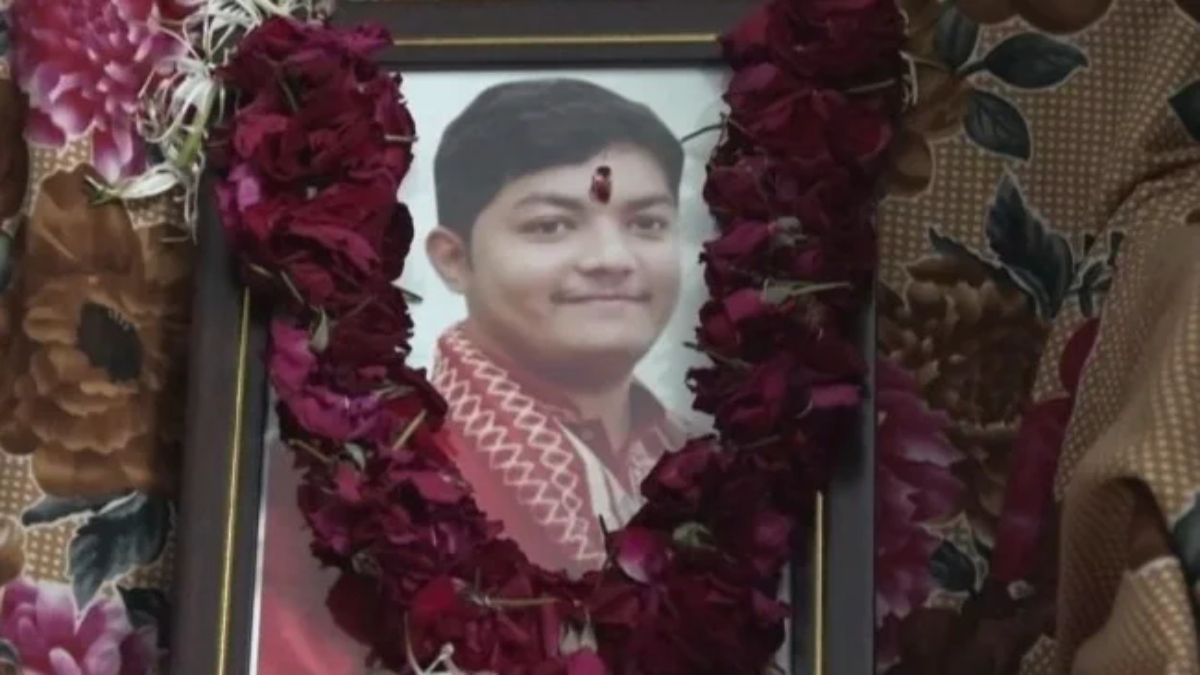
New Delhi, February 5, 2026: The tragic death of a 21-year-old student at the Indian Institute of Technology (IIT) Bombay has once again ignited intense discussions regarding mental health support on premier educational campuses.
The student, identified as Naman Agarwal, a second-year BTech (Civil Engineering) student from Pilani, Rajasthan, died in the early hours of Wednesday after falling from the terrace of a nine-storey hostel building. While the police have registered an Accidental Death Report (ADR), recent findings suggest a deeper struggle with personal well-being.
Key Findings in the Investigation
According to the Powai police, several key pieces of evidence have surfaced during the preliminary probe:
- Seeking Professional Help: Investigators found that Agarwal had been seeking counseling on campus. Records indicate he visited the IIT Bombay hospital on February 2 and 3, just days before the incident, to meet with a professional counselor.
- A “Personal Note”: A one-page note was recovered from his diary. While police have not termed it a formal suicide note, they are examining a specific phrase: “This world is not for me.”
- CCTV Evidence: Footage from the campus showed Agarwal entering the terrace of Hostel 4 alone at approximately 1:17 AM. He reportedly spent about ten minutes there before the fall occurred.
- Behavioral Shifts: Statements from friends and his roommate describe Agarwal as a “bright but reclusive” student who had become increasingly withdrawn in the days leading up to his death.
Campus Response and Security Concerns
The IIT Bombay administration expressed deep “dismay and shock” over the loss. Director Prof. Shireesh Kedare sent an email to the student body mourning the “premature end of a promising career.” In the wake of the incident, a scheduled press conference for a faculty achievement was canceled, and a condolence meet was held on Wednesday night.
However, the incident has also raised questions about campus safety. Police officials have pointed out that the terrace door was left unlocked. The institute management clarified that doors are often kept open to comply with fire hazard regulations, but authorities are now reviewing whether better monitoring or security guards are needed to regulate access to high-rise rooftops.
A Growing Crisis?
This tragedy follows the 2023 death of Darshan Solanki, which led to a nationwide debate on caste discrimination and academic pressure at elite institutes. While faculty members have stated that Agarwal was “academically bright” and likely not under academic stress, the incident highlights a persistent challenge: even those who appear to be “doing well” can be fighting invisible battles.