
)
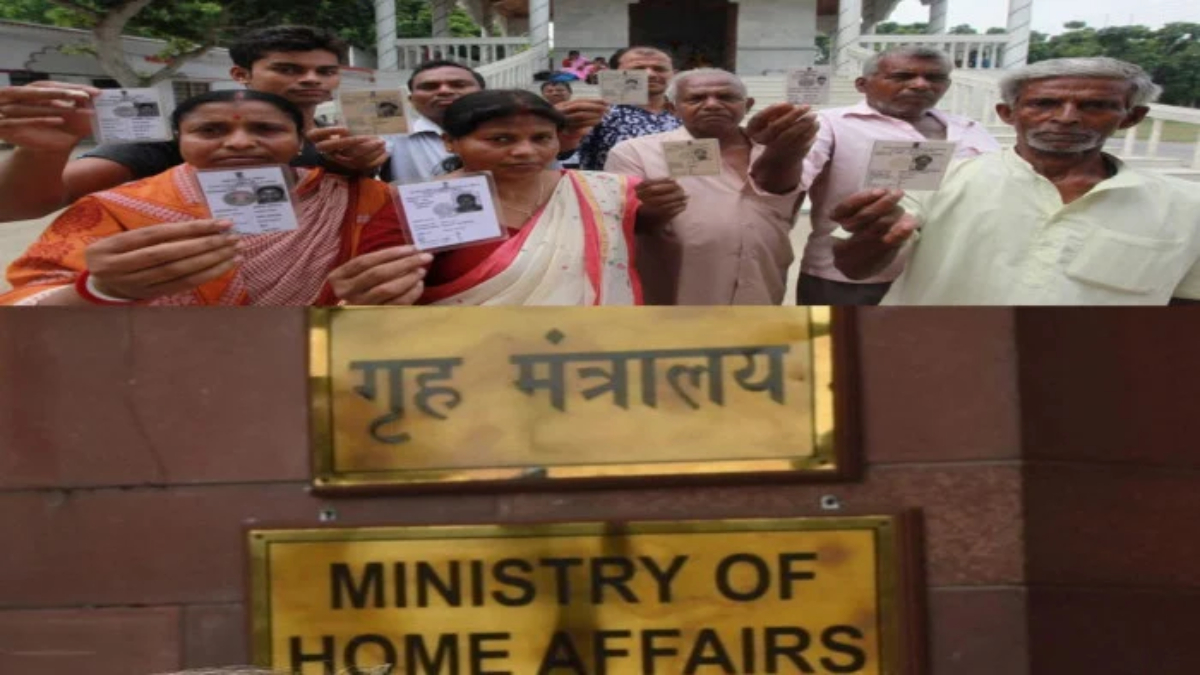
New Delhi | March 3, 2026 — In a move to significantly accelerate the processing of citizenship applications, the Union Ministry of Home Affairs (MHA) has constituted two additional Empowered Committees in West Bengal. This brings the total number of such high-level panels in the state to four, highlighting the surge in applications under the Citizenship Amendment Act (CAA).
The decision comes amid the high-stakes 2026 West Bengal Assembly election campaign and follows a massive electoral roll revision (Special Intensive Revision) that has reshaped the state’s political landscape.
Expanding the Institutional Framework
According to a gazette notification issued on Monday, March 2, 2026, the new committees were formed in exercise of the powers conferred under Section 6B of the Citizenship Act, 1955. Officials noted that while two committees were already operational, the “deluge of applications”—particularly from border districts and the Matua community—necessitated additional administrative machinery.
Composition of the New Committees: The panels are structured to ensure rigorous scrutiny and inter-departmental coordination:
- Chairperson: An officer not below the rank of Deputy Secretary to the Government of India, nominated by the Registrar General and Census Commissioner of India.
- Intelligence Oversight: An officer from the Subsidiary Intelligence Bureau (SIB) (Under Secretary rank).
- Verification Experts: Nominees from the jurisdictional Foreigners Regional Registration Officer (FRRO) and the State Informatics Officer of the National Informatics Centre (NIC).
- Postal Representation: The Postmaster General of West Bengal or a designated senior postal officer.
- State & Railway Invitees: The committees will include representatives from the West Bengal government’s Home Department and the jurisdictional Divisional Railway Manager as invitees.
Fast-Tracking Citizenship for Persecuted Minorities
The primary mandate of these committees is to evaluate applications from undocumented non-Muslim migrants—Hindus, Sikhs, Buddhists, Jains, Parsis, and Christians—who fled religious persecution in Pakistan, Bangladesh, and Afghanistan and entered India on or before December 31, 2014.
The MHA’s strategy of using central government officials (Census and Postal departments) to head these committees is seen as a way to bypass potential administrative hurdles at the state level. The West Bengal government, led by the Trinamool Congress, has been a vocal critic of the CAA, frequently labeling it discriminatory.
“The formation of these additional committees ensures structured scrutiny and ensures that the grant of citizenship is not delayed due to administrative bottlenecks,” an MHA official stated.
Political Context: The 2026 Assembly Polls
The timing of this expansion is notable. Union Home Minister Amit Shah recently emphasized that while names are being deleted from voter rolls under the current Special Intensive Revision (SIR), the implementation of the CAA would ensure that “not a single genuine refugee” loses their right to stay.
With the state’s electorate having dropped by over 8% following recent revisions, the grant of citizenship through the CAA has become a central pillar of the BJP’s outreach to refugee communities like the Matuas and Namasudras, who hold significant sway in several assembly constituencies.
What Happens Next?
Applicants who have submitted their forms via the online portal will now have their documents verified by District Level Committees (DLCs). Once the DLCs administer the oath of allegiance, the files will be forwarded to these newly formed Empowered Committees for the final grant of citizenship certificates.