

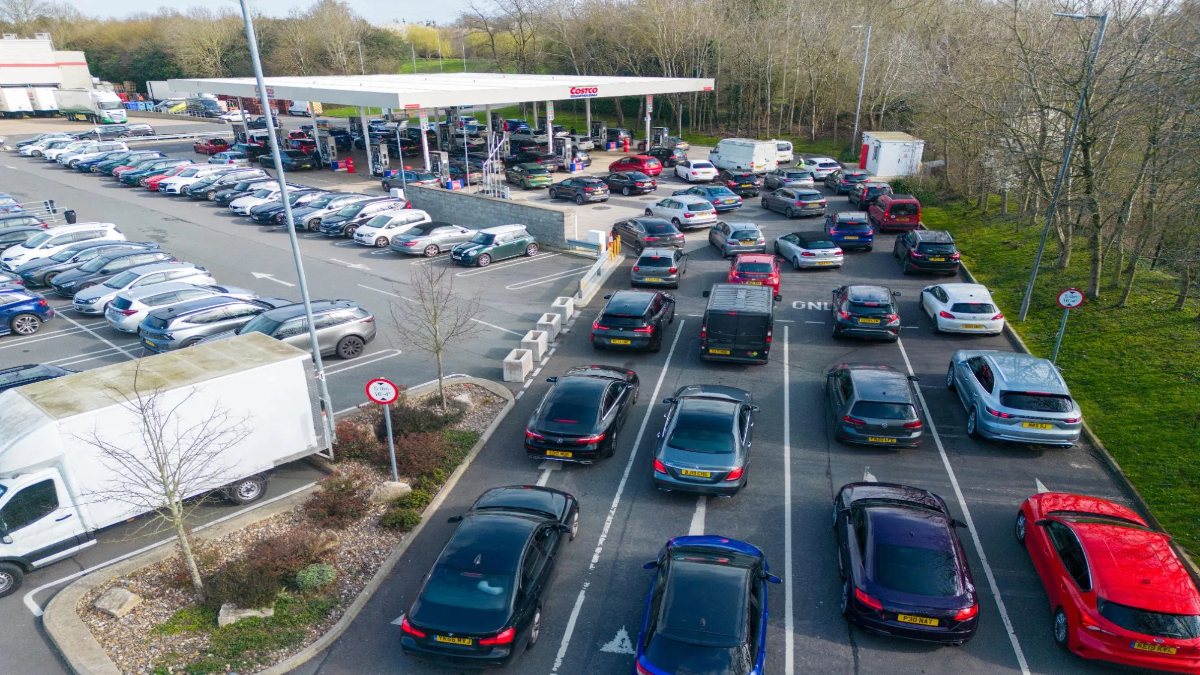
New Delhi, March 10, 2026: In an era of fluctuating energy prices and increasing environmental consciousness, the mantra “drive less to save more“ has transitioned from a suggestion to a financial necessity. While vehicle efficiency has improved significantly over the last decade, the most effective way to slash your monthly overhead remains a simple reduction in total mileage.
The Financial Ripple Effect
Reducing your time behind the wheel offers benefits that go far beyond the gas pump. When you choose to leave the car in the garage, you are effectively:
- Extending Vehicle Longevity: Less mileage means slower depreciation and fewer trips to the mechanic for oil changes, tire rotations, and brake replacements.
- Lowering Insurance Premiums: Many insurance providers offer “low-mileage discounts.” By staying under certain thresholds, drivers can negotiate significantly lower monthly rates.
- Mitigating Market Volatility: Global oil markets are notoriously unstable. Driving less provides a personal “buffer,” making you less vulnerable to sudden price spikes at the station.
Practical Alternatives for the Modern Commuter
Adopting a “less is more” approach doesn’t mean sacrificing mobility. Strategic planning can make the transition seamless:
- Trip Chaining: Instead of three separate errands throughout the week, consolidate them into a single loop. This reduces “cold starts,” which are the least fuel-efficient moments for an internal combustion engine.
- The “Micro-Mobility” Shift: For trips under two miles, consider e-bikes or scooters. These methods are often faster in heavy traffic and eliminate the stress of parking.
- Active Commuting: Walking or cycling to local destinations serves a dual purpose: saving fuel and improving cardiovascular health.
Ultimately, the decision to drive less is a vote for both your wallet and the planet. By rethinking our relationship with the car, we can reclaim our time and our finances.
Diplomatic Breakthroughs: Signs That the War is Nearing Its End
After months of intense geopolitical tension and humanitarian concern, a series of strategic shifts and diplomatic signals suggest that the current conflict may finally be nearing its conclusion. While the path to peace is rarely a straight line, international observers are noting a distinct change in the atmospheric pressure of the negotiations.
Shifting Tides on the Ground
Warfare is as much about endurance as it is about strategy. Reports from the front lines indicate a mutual exhaustion of resources, leading to what analysts call a “strategic plateau.” Neither side currently possesses the momentum for a total decisive victory, which historically serves as the primary catalyst for serious seating at the peace table.
Key Indicators of an Approaching Resolution
Several factors are converging to suggest a ceasefire or a formal treaty may be on the horizon:
- Third-Party Mediation: Influential neutral nations have stepped up their involvement, moving from rhetoric to tangible frameworks for a peaceful transition.
- Economic Pressures: The global cost of the conflict—manifested in supply chain disruptions and energy shortages—has placed immense internal pressure on the warring parties to find an exit strategy.
- Humanitarian Corridors: The recent success in establishing and maintaining stable corridors for aid is often a “litmus test” for the cooperation required for a permanent peace deal.
The Challenges of the “Final Mile”
While the end may be in sight, the final stages of a conflict are often the most delicate. Negotiators are currently grappling with the complexities of territorial integrity, reparations, and long-term security guarantees.
“Peace is not merely the absence of war, but the presence of a sustainable framework for the future,” notes a senior diplomatic correspondent.
As the world watches with bated breath, the hope is that the current de-escalation leads to a lasting stability that allows for the long process of reconstruction and healing to begin.