

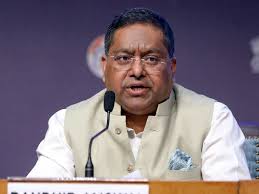
New Delhi, March 13, 2026: A significant wave of geopolitical concern and digital speculation has been triggered following the emergence of a viral video involving the Ministry of External Affairs (MEA). In the footage, which gained massive traction in mid-March 2026, it is claimed that India has officially declared military support for Israel and issued a direct threat to Tehran. It is noted that the video appears to show an official briefing where aggressive rhetoric is used regarding the escalating tensions in West Asia. This provocative portrayal of India’s foreign policy has been widely shared as a primary example of how sensitive diplomatic matters can be distorted for viral engagement.
The Mechanics of the Misleading Footage
The specifics of the video’s origin and the authenticity of the audio are being meticulously discussed by fact-checkers and regional analysts. It is observed in the official investigations that the footage is actually a manipulated compilation of past MEA briefings, where original statements have been overlaid with AI-generated voiceovers or misleading subtitles. It is reported by several digital observers that the actual remarks made by the MEA spokesperson were centered on de-escalation and the safety of the Indian diaspora, rather than a declaration of war. The visual of the official podium has provided a grounding narrative for the dangerous spread of “deepfake” diplomacy that seeks to misrepresent India’s traditionally balanced strategic autonomy.
Also Read: The Viral Mystery of the Girl’s Exploding Smartphone
Social Media Reacts: A Symphony of Confusion and Correction
A massive conversation regarding “information warfare” and the fragility of international relations in the digital age has been ignited by this revelation. It is noted that the video was met with an outpouring of polarized reactions, with many netizens remarking that such a shift in policy would have historic consequences. Conversely, the video is being widely discussed as a malicious attempt to strain India’s long-standing diplomatic ties with Iran. Thousands of analytical comments have been left by users who expressed their alarm, stating that such videos serve as a stark reminder of the need to verify news through official government handles before sharing.
India’s Official Stance and Regional Impact
The impact of this viral event has extended beyond simple internet gossip to influence a broader discussion on India’s “Strategic Partnership” with both Israel and Iran. It is frequently mentioned by veteran diplomats that India’s official position remains focused on a peaceful resolution and the prevention of a wider regional conflagration. A renewed sense of vigilance is being observed among Indian authorities to counter misinformation that could jeopardize national interests or the security of Indian citizens working in the Middle East. It is believed that the viral nature of this specific “MEA Fact-Check” will prompt a dialogue on the necessity of stronger legal frameworks to combat state-sponsored or rogue disinformation campaigns.
A Stark Reminder of Diplomatic Nuance
As the clarification continues to accumulate views in late March 2026, it serves as a powerful and resilient reminder that foreign policy is rarely conducted via sensationalist viral clips. It is believed that the story of the “India-Iran-Israel Misinformation” will remain a primary highlight of the month’s most discussed and socially impactful geopolitical news. The legacy of this viral event is expected to be a heightened public awareness of the complexities of the West Asian crisis. Until the digital ecosystem becomes more resistant to such fabrications, this case remains a stark testament to the fact that in the realm of international relations, the first casualty of viral news is often the truth.