

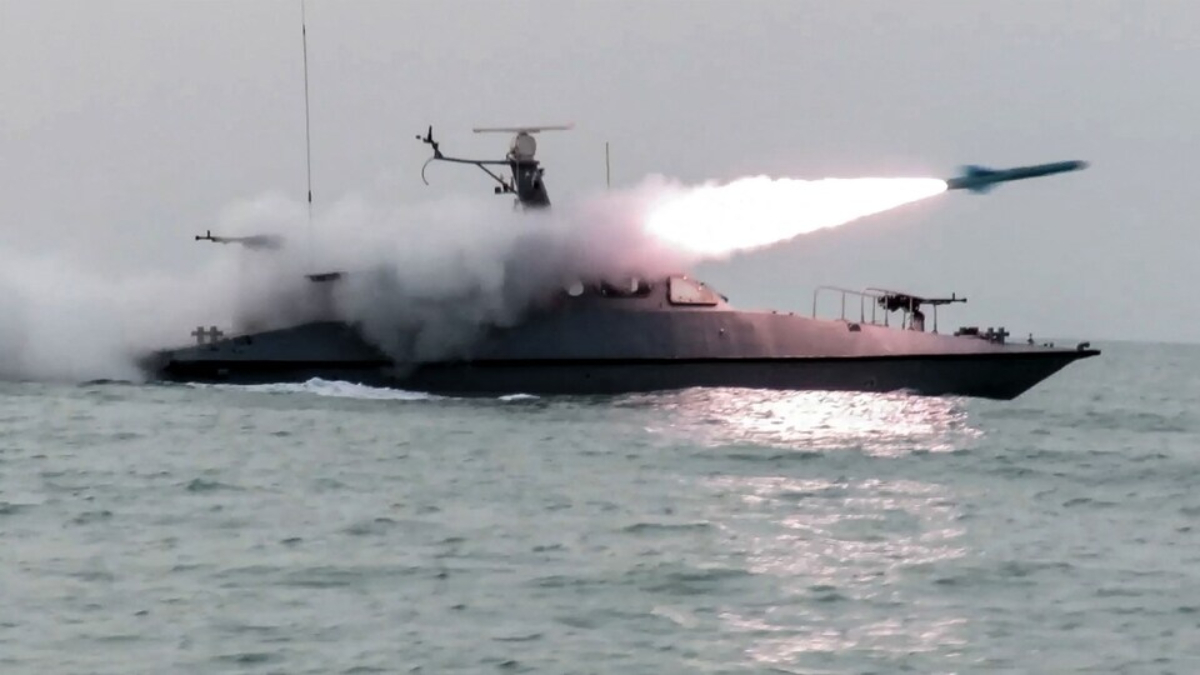
New Delhi, March 16, 2026: In a significant victory for “Strategic Autonomy,” India has successfully navigated the explosive tensions in the Middle East to secure the passage of its energy shipments through the Strait of Hormuz. While the United States and its allies consider a military-first approach to force open the waterway, New Delhi’s quiet, high-stakes diplomacy with Tehran has already yielded tangible results.
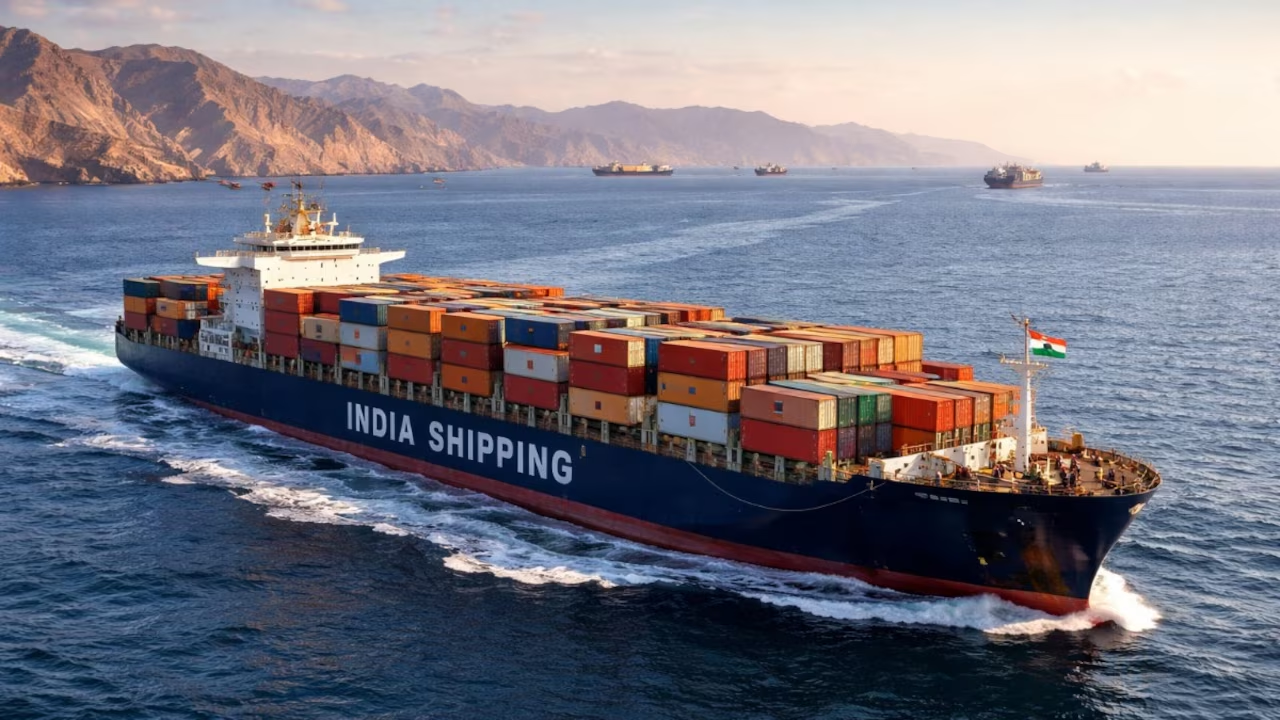
On March 14, 2026, two Indian-flagged liquefied petroleum gas (LPG) carriers—the Shivalik and the Nanda Devi—successfully transited the world’s most dangerous maritime chokepoint. This breakthrough comes at a time when Iran has effectively “closed” the Strait to its adversaries, causing global oil prices to surge and sparking domestic fuel anxieties in India.
Diplomacy Over Confrontation
External Affairs Minister S. Jaishankar recently confirmed that direct engagement with Tehran remains India’s most effective tool. Speaking to the Financial Times, Jaishankar emphasized that “reasoning and coordination” have proven more fruitful than military posturing.
“I am at the moment engaged in talking to them and my talking has yielded some results,” Jaishankar stated. “If it is yielding results for me, I would naturally continue to look at it.”
This diplomatic success stands in stark contrast to the strategy proposed by U.S. President Donald Trump, who recently called for a multinational coalition of warships to keep the Strait open. While Washington leans on hard power, New Delhi’s “middle path” has allowed it to maintain its energy security without becoming entangled in the escalating Iran-Israel conflict.
The Economics of the Strait
The stakes for India could not be higher. The Strait of Hormuz is the jugular vein of the Indian economy:
- LPG Dependency: Over 90% of India’s LPG imports pass through this 33-km-wide channel.
- Crude Oil: Roughly 40% of India’s crude supply relies on this route.
- Domestic Impact: The recent blockade led to a price hike of ₹114.50 for commercial cylinders in a single day, prompting the government to invoke the Essential Commodities Act.
The successful passage of the Shivalik and Nanda Devi, carrying over 92,700 metric tons of LPG, provides a much-needed reprieve for Indian consumers and industries.
How the “Hormuz Breakthrough” Happened
The breakthrough was not a result of a “blanket agreement” but rather a series of calculated diplomatic maneuvers:
- High-Level Outreach: Prime Minister Narendra Modi held a crucial telephonic conversation with Iranian President Masoud Pezeshkian on March 12, emphasizing the need for unhindered transit.
- Persistent Engagement: EAM Jaishankar conducted three separate rounds of talks with his Iranian counterpart, Abbas Araghchi, in just ten days.
- Humanitarian Gestures: India facilitated the repatriation of stranded Iranian nationals from Kochi, reinforcing the “friendship” cited by Iranian Ambassador Mohammad Fathali.
- Naval Monitoring: While diplomacy opened the door, the Indian Navy’s Operation Sankalp provided the safety net. Indian warships, including a Project 15 destroyer, were positioned in the Gulf of Oman to escort the tankers once they cleared the Strait.
Comparison of Approaches
The Path Ahead: No “Blanket Arrangement”
Despite the success, Indian officials are cautious. Minister Jaishankar clarified that there is no “blanket arrangement” for all Indian ships. Each transit is being handled individually based on ongoing security assessments. With over 20 Indian-flagged vessels still positioned west of the Strait, the diplomatic mission is far from over.
By choosing “talking over targeting,” India has demonstrated that in the complex theater of West Asian geopolitics, a well-placed phone call can sometimes be more powerful than a carrier strike group.