
Now Reading: Supreme Court Rules Women Short Service Officers Eligible for Pension
-
01
Supreme Court Rules Women Short Service Officers Eligible for Pension
Supreme Court Rules Women Short Service Officers Eligible for Pension

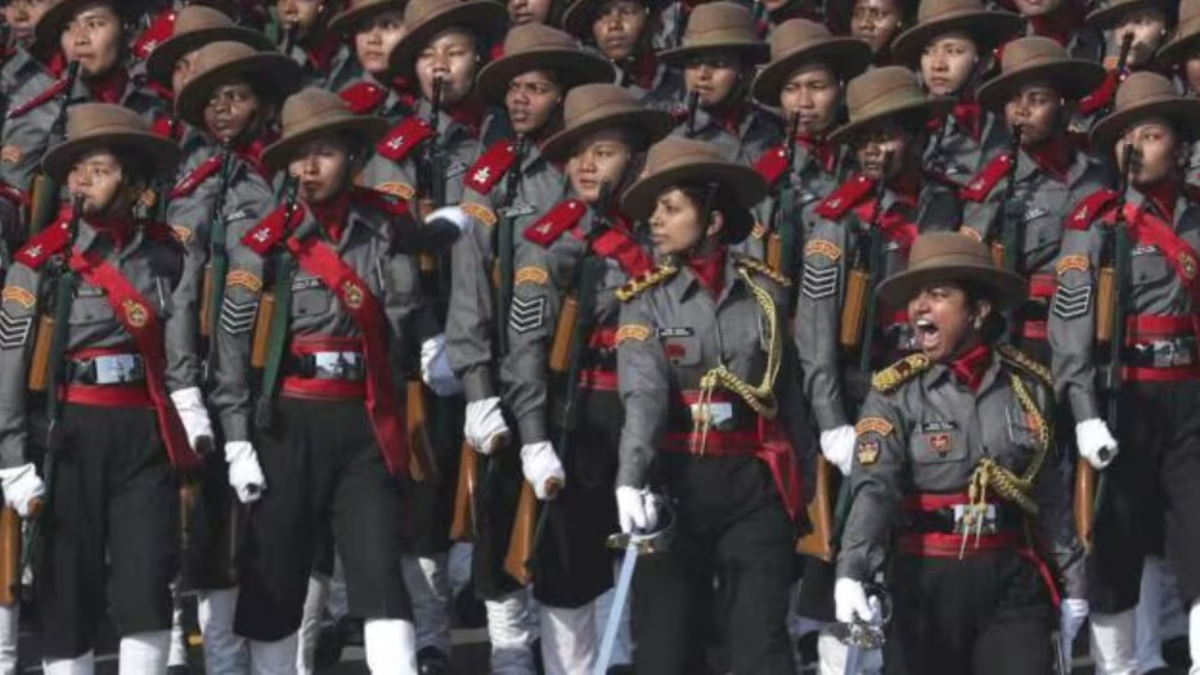
NEW DELHI – In a historic leap for gender parity within the Indian Armed Forces, the Supreme Court of India delivered a landmark judgment on March 24, 2026, ruling that women Short Service Commission (SSC) officers are entitled to pensionary benefits. Invoking its extraordinary powers under Article 142 of the Constitution to ensure “complete justice,” the apex court dismantled long-standing systemic barriers that had previously denied these officers financial security after their release from service.
The verdict, delivered by a bench comprising Chief Justice Surya Kant, Justice Ujjal Bhuyan, and Justice N. Kotiswar Singh, addresses the grievances of women officers across the Army, Navy, and Air Force who were released after 14 years of service without the pension typically reserved for those completing 20 years.
Key Highlights of the Supreme Court Ruling
The Court’s decision is centered on correcting “systemic discrimination” embedded in the military’s historical evaluation framework. Key directives from the judgment include:
- Deemed Service for Pension: As a one-time measure, women SSC officers who were released during the pendency of these legal proceedings will be deemed to have completed 20 years of qualifying service. This qualifies them for full pension benefits.
- Abolition of Vacancy Caps: The Court struck down the arbitrary annual cap of 250 women officers for Permanent Commission (PC), calling such limits “not sacrosanct” and discriminatory.
- Effective Date: While salary arrears for the period after their release were denied, the Court directed that pension be fixed based on the 20-year deemed service, with actual arrears of pension payable from January 1, 2025.
- Critique of Performance Evaluations: The bench observed that Annual Confidential Reports (ACRs) for women were often recorded “casually” under the assumption that they would never qualify for long-term career progression, thereby unfairly lowering their merit scores.
Overcoming “Systemic Bias”
The judgment pulled no punches in criticizing the “gendered” nature of military assessments. For decades, women were ineligible for Permanent Commission, meaning they were often excluded from “criteria appointments” and “career-enhancing courses” that their male counterparts used to bolster their resumes.
“Male Short Service Commission Officers cannot assume that Permanent Commission will remain exclusively male,” the bench stated. “The denial of Permanent Commission to women stemmed from discrimination embedded in the existing evaluation framework.”
The Court noted that applying 2019 performance standards to officers inducted in 2007—without giving them adequate time to adapt—was inherently flawed. By granting pensionary relief, the Court has acknowledged that these officers’ inability to reach the 20-year mark was often a result of policy restrictions rather than a lack of merit or willingness to serve.
A Long Battle for Equality
This ruling is the culmination of a legal struggle that began over two decades ago.
- 2010: The Delhi High Court first ruled that women SSC officers in the Air Force and Army should be entitled to Permanent Commission.
- 2020: The Supreme Court (in the Babita Puniya case) famously rejected the government’s arguments regarding “physiological limitations” of women, ordering the grant of PC to all women officers in the Army.
- 2026: Today’s verdict closes the loop for those who were released before they could benefit from the 2020 ruling or were caught in the transition of policy changes.
Conclusion
The ruling ensures that women who dedicated their youth to the nation’s defense will not be left without a safety net in their retirement. While the Judge Advocate General (JAG) and Army Education Corps (AEC) cadres were excluded from certain specific directions (as they already had paths to PC since 2010), the vast majority of women SSC officers now stand on equal footing with their male peers regarding post-service benefits.
This judgment serves as a powerful reminder that “institutional bias,” however deeply entrenched, cannot supersede the constitutional mandate of equality.