

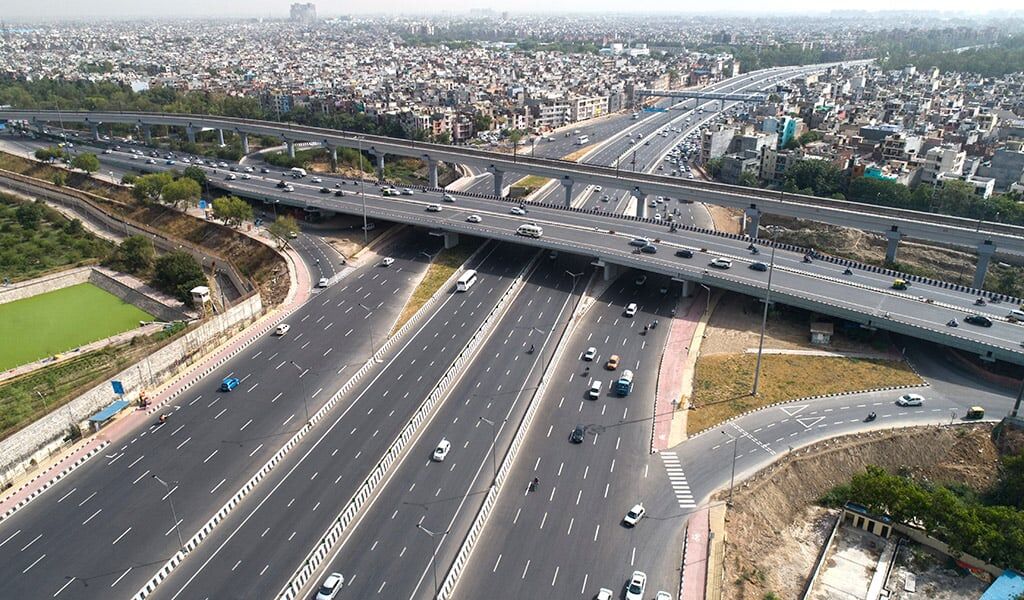
New Delhi, March 26, 2026: Following the vision of transforming Western Uttar Pradesh into a world-class industrial and transit hub, the state government has greenlit a significant infrastructure project worth ₹108 crore aimed at revamping Meerut’s local connectivity.
This strategic initiative focuses on the development of a four-lane road network and the construction of vital bridges, specifically designed to de-congest the city’s main arteries and provide a seamless link to the recently inaugurated major expressways and the Namo Bharat RRTS corridor.
Project Blueprint: Enhancing Urban Mobility
The ₹108 crore allocation is earmarked for several key infrastructure upgrades that address the growing traffic demands of Meerut. As the city evolves into a pivotal node in the National Capital Region (NCR), these developments are seen as essential for both residents and commercial logistics.
1. Four-Lane Road Expansion
The core of the project involves widening existing bottlenecks into a high-capacity four-lane system. This expansion aims to:
- Reduce Travel Time: By doubling the lane capacity on high-traffic stretches, the project expects to cut commute times within the city by nearly 30-40%.
- Safety Upgrades: The new road designs include paved shoulders, improved signage, and modern LED street lighting to enhance night-time safety for commuters.
2. Strategic Bridge Construction
To overcome the geographic and railway-induced hurdles in Meerut, the project includes the construction of new bridges and flyovers.
- Railway Overbridges (ROBs): A portion of the budget is dedicated to eliminating unmanned or congested level crossings, ensuring that the heavy rail traffic on the Delhi-Meerut-Saharanpur line does not hinder road movement.
- Riverine Connectivity: Small-span bridges over local canals and water bodies are being reinforced to handle the weight of heavy commercial vehicles.
Integration with Regional Mega-Projects
This ₹108 crore revamp does not exist in isolation. It is designed to act as a “feeder” system to ensure that the massive investments in the region deliver maximum utility:
- Complementing the Delhi-Meerut Expressway: While the expressway handles long-distance transit, these new four-lane roads will provide efficient entry and exit points for local businesses.
- RRTS Synergy: With the Namo Bharat (Regional Rapid Transit System) now operational, these local infrastructure upgrades will improve “last-mile” connectivity to the major stations like Shatabdi Nagar and Meerut South.
- Ganga Expressway Link: The project will also streamline the route toward the starting point of the 594-km Ganga Expressway, which connects Meerut to Prayagraj.
Economic and Social Impact
Government officials emphasize that this project is more than just asphalt and concrete; it is an economic catalyst for Western UP.
| Feature | Anticipated Impact |
| Real Estate | Property values in the vicinity of the new four-lane corridors are expected to see a 15-20% appreciation. |
| Industrial Growth | Faster movement of goods to the Partapur and Mohiuddinpur industrial areas. |
| Employment | The construction phase alone is projected to generate thousands of direct and indirect daily-wage opportunities. |
Timeline and Implementation
The Public Works Department (PWD) of Uttar Pradesh has been tasked with the execution. Following the “Double-Engine” governance model frequently cited by Chief Minister Yogi Adityanath, the project is being monitored via a digital dashboard to ensure it meets its 18-month completion deadline without cost overruns.