

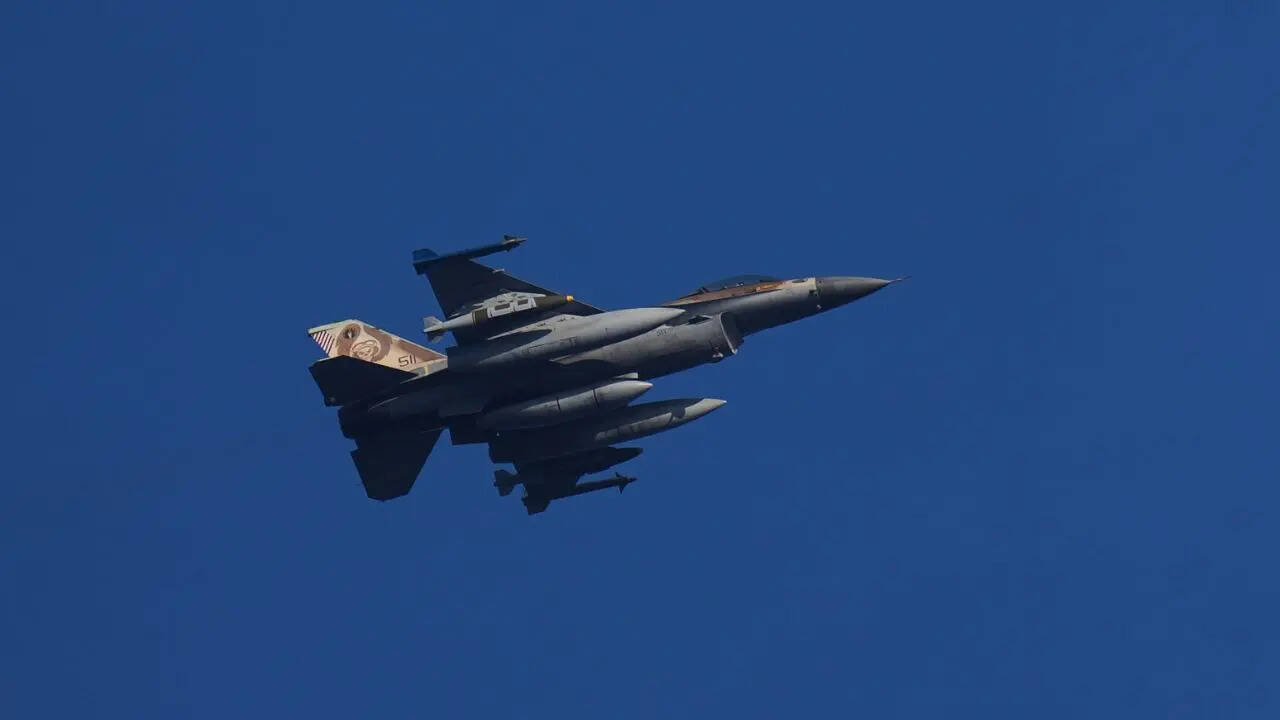
New Delhi, March 26, 2026: A significant wave of global digital speculation and military tension has been triggered following a provocative announcement by Iran’s Islamic Revolutionary Guard Corps (IRGC). In a series of reports that gained massive traction on March 25 and 26, 2026, the IRGC claimed to have “successfully targeted” an American F/A-18 fighter jet using new, advanced air defense systems. It is noted that the incident allegedly took place over the strategic coastal city of Chabahar, near the Gulf of Oman. This startling assertion has been shared as a primary example of the escalating information warfare between Tehran and Washington.
The Mechanics of the Viral Evidence
The specifics of the claim were supported by footage released through Iranian state-affiliated media, which appears to show a fighter jet in mid-flight followed by a sudden, brilliant flash. It is observed in the viral reports that the aircraft then appears to lose stability, leaving a visible trail of smoke before an object—suggested by some to be a pilot ejecting—detaches from the jet. While the video has been circulated widely by outlets such as Press TV and RT, it is noted by independent defense analysts that the footage remains unverified. The visual of the “mid-air hit” has provided a grounding narrative for the thousands of conflicting reactions currently dominating social media.
Also Read: Tourist in Old Delhi Sparks National Cleanliness Debate
CENTCOM Issues a Categorical Denial
A massive conversation regarding “battlefield transparency” and “propaganda” has been ignited by the swift response from the United States Central Command (CENTCOM). In a pointed “fact-check” post on the social media platform X, the U.S. military officially dismissed the Iranian claim as “categorically false.” It is frequently mentioned by CENTCOM officials that no U.S. fighter aircraft have been shot down by Iranian forces during the current operations. Thousands of analytical comments have been left by netizens, some questioning the authenticity of the video while others remain skeptical of the official denial, citing the intense military activity in the region.
Impact on the 2026 Regional Conflict
The impact of this viral event has extended beyond the cockpit to influence a broader discussion on the 2026 “War of Narratives.” It is observed by geopolitical experts that these competing claims are surfacing at a critical time, just hours after Iran reportedly rejected a 15-point U.S. ceasefire proposal. A renewed sense of scrutiny is being observed toward the use of digital content as a tool for psychological warfare, with similar unconfirmed reports involving F-35 and F-15 jets having appeared earlier this month. It is believed that the viral nature of this specific “F/A-18 Strike” will prompt a dialogue on the necessity of physical evidence, such as wreckage, before military losses are accepted as fact.
A Stark Reminder of Escalating Hostilities
As the footage continues to accumulate millions of views on March 26, 2026, it serves as a powerful and resilient reminder of the razor-thin margin for error in the Middle East. It is believed that the account of the “Chabahar Fact-Check” will remain a primary highlight of the month’s most discussed and socially critical international news features. The legacy of this viral event is expected to be a heightened public awareness regarding the complexity of verifying military claims in a digital age. Until the geopolitical situation stabilizes, this story remains a stark testament to the fact that in modern warfare, the battle for public perception is fought as fiercely as the one in the skies.