

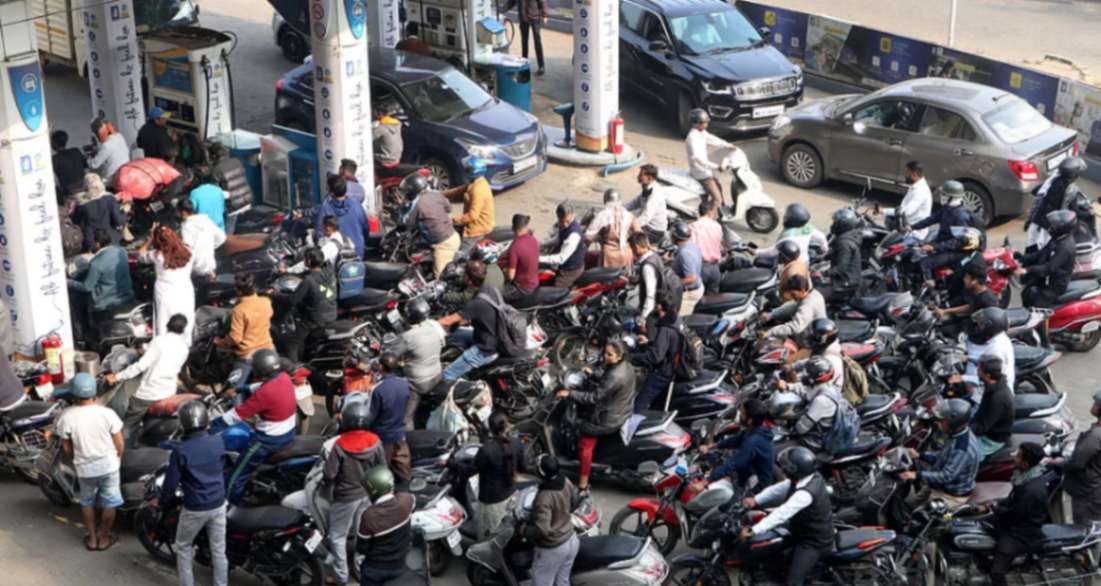
New Delhi, March 26, 2026: A significant wave of digital anxiety and public panic has been triggered across several states following the emergence of a highly misleading video regarding fuel supplies. In the footage, which gained massive traction on March 25, 2026, long queues of vehicles were observed at various petrol pumps, accompanied by claims of an impending national fuel crisis. It is noted that the panic was fueled by unverified audio clips suggesting that a strike by tanker drivers would lead to dry pumps within forty-eight hours. This startlingly rapid spread of misinformation has been widely shared as a primary example of how digital rumors can disrupt essential services.
The Mechanics of the Official Reassurance
The specifics of the situation were meticulously addressed by Bharat Petroleum Corporation Limited (BPCL) in a formal statement released on March 26, 2026. It is observed in the company’s clarification that all fuel stations are being supplied with adequate stocks of petrol and diesel without any interruption. It is reported by several digital observers that the public was urged to remain calm and avoid “panic buying,” which only serves to create artificial pressure on local logistics. The visual of crowded fuel stations has been described by officials as a self-fulfilling prophecy caused by the viral rumors rather than any actual shortage in the supply chain.
Also Read: Heated “Kalesh” Between Commuters Sparks Online Debate
Logistics and Supply Chains Remain Intact
A massive conversation regarding “energy security” and “digital responsibility” has been ignited by this official intervention, which has amassed millions of views. It is frequently mentioned by BPCL representatives that the refineries and distribution centers are operating at full capacity to meet the seasonal demand. Thousands of analytical comments have been left by netizens who expressed relief, while others called for the identification of those who initially uploaded the “crisis” video. It is noted that the Ministry of Petroleum and Natural Gas has also been tagged in numerous threads, ensuring that the message of stability reached every corner of the country.
Impact on the 2026 Energy Market
The impact of this viral event has extended beyond the pumps to influence a broader discussion on the 2026 “Information Integrity” framework in the energy sector. It is observed that major oil marketing companies are now considering the use of real-time stock dashboards to provide transparent data to the public. A renewed sense of scrutiny is being observed toward social media platforms that allow “scare-mongering” content to trend without verification. It is believed that the viral nature of this specific “Fuel Panic” will prompt a dialogue on the necessity of a central fact-checking unit for vital commodities like fuel and LPG.
A Stark Reminder of Collective Calm
As the official clarification continues to circulate in late March 2026, it serves as a powerful and resilient reminder that verified information is the best tool against chaos. It is believed that the account of the “BPCL Fuel Reassurance” will remain a primary highlight of the month’s most discussed and socially critical infrastructure news. The legacy of this viral event is expected to be a heightened public awareness regarding the dangers of acting on unverified social media forwards. Until the crowds at the pumps subside, this statement remains a stark testament to the fact that while rumors travel fast, the truth remains steady.