

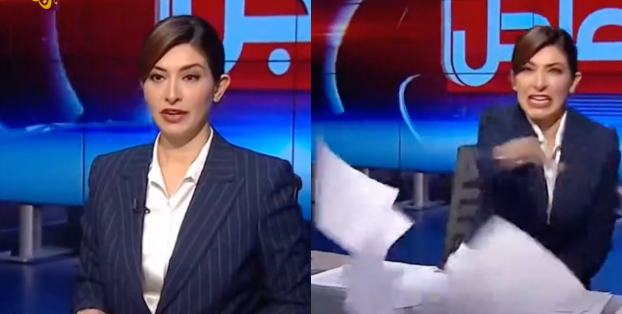
New Delhi, March 26, 2026: A significant wave of digital alarm and political speculation has been triggered across social media following the emergence of a “breaking news” clip from Al Jazeera. In the footage, which gained massive traction on March 19 and 20, 2026, an Al Jazeera Arabic anchor was observed seemingly resigning live on air. It is noted that the anchor allegedly accused the network of bowing to American and Israeli pressure regarding its coverage of the ongoing Iran war. This startlingly dramatic scene has been widely shared as a primary example of how AI-generated misinformation is being weaponized during real-world conflicts.
The Mechanics of the Deepfake
The specifics of the video were meticulously analyzed by forensic experts at BOOM Live and the University at Buffalo’s Media Forensics Lab using “DeepFake-O-Meter” technology. It is reported by several digital observers that the footage returned a “fake probability” score of over 97%. It is observed in the viral reports that the audio, when subjected to the Hiya Deepfake Voice Detector, scored only 1 out of 100 for authenticity. Technical anomalies, such as unnaturally fast speech and pixelated background artifacts, have been highlighted as clear evidence that the entire broadcast was synthetically manufactured.
Also Read: Sanoj Mishra Responds to Allegations by “Kumbh Mela Girl” Monalisa
Traceable Origins to AI Content Creators
A massive conversation regarding “information hygiene” has been ignited by the discovery of the video’s original source. It is frequently mentioned by investigators that the clip was first uploaded on March 18, 2026, by a TikTok handle known for regularly posting AI-generated “alternate reality” news. Thousands of analytical comments have been left by netizens who initially believed the English translation of the anchor’s Arabic statement: “What is being asked of me tonight is not the truth.” The act is being widely discussed as a sobering reminder that sophisticated lip-syncing tools can now mimic the credibility of a global news institution.
Impact on the 2026 War of Narratives
The impact of this viral event has extended beyond the media industry to influence a broader discussion on the 2026 “Truth and Conflict” initiative. It is observed by geopolitical analysts that the US-Israel-Iran war has become a primary breeding ground for high-fidelity deepfakes designed to destabilize public trust. A renewed sense of scrutiny is being observed toward social media platforms that allow “synthetic journalists” to trend without clear AI labels. It is believed that the viral nature of this specific “Al Jazeera Resignation” video will prompt a dialogue on the necessity of real-time authentication for live news broadcasts in 2026.
A Stark Reminder of Digital Literacy
As the debunked footage continues to accumulate views on platforms like X and Telegram in late March 2026, it serves as a powerful and resilient reminder that seeing is no longer believing. It is believed that the account of the “Fake Al Jazeera Resignation” will remain a primary highlight of the month’s most discussed and socially critical misinformation news features. The legacy of this viral event is expected to be a heightened public awareness regarding the presence of AI “puppet masters” in international affairs. Until stricter verification standards are adopted, this video remains a stark testament to the fact that in the age of AI, the most convincing stories are often the ones that never happened.