

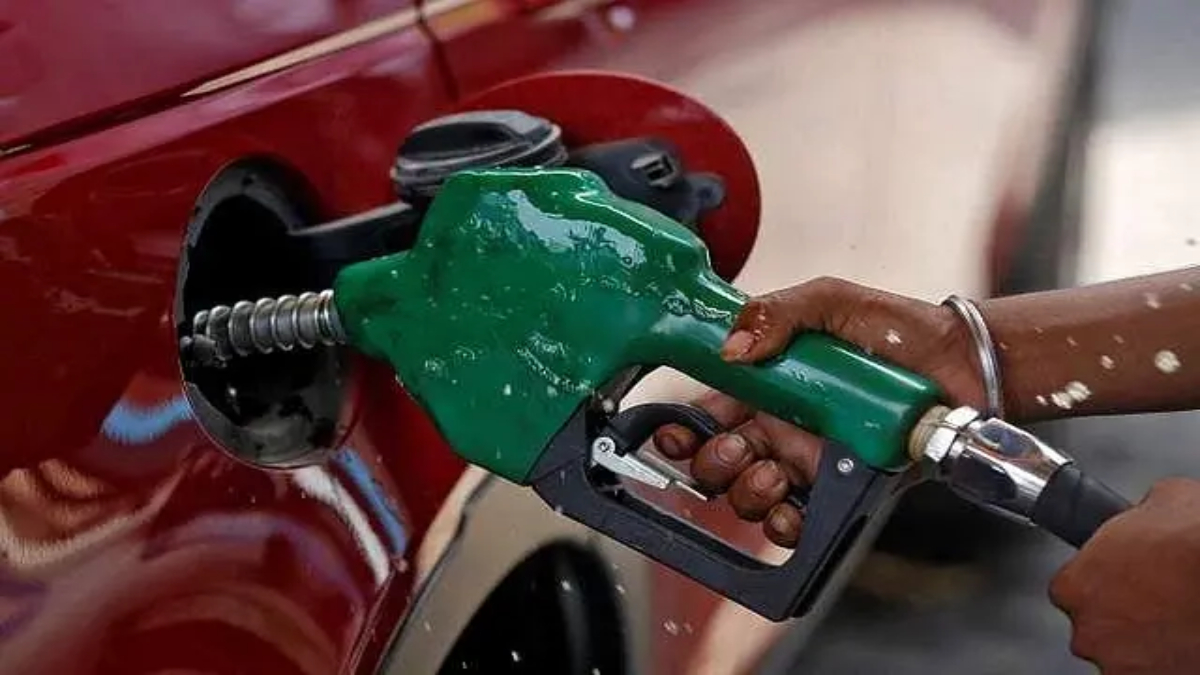
New Delhi, April 9, 2026: The global energy market continues to ride a wave of extreme volatility as the West Asia crisis remains the focal point for oil marketing companies (OMCs). On April 9, 2026, domestic petrol and diesel prices in India have remained largely steady, even as international crude oil prices witnessed a dramatic “crash” following news of a strategic ceasefire.
While retail prices at the pump haven’t dropped immediately, the cooling of the “war premium” offers a glimmer of hope for consumers who have been bracing for record highs.
City-Wise Fuel Rates: April 9, 2026
Prices continue to vary across states due to differing Value Added Tax (VAT) rates, freight charges, and local cesses. Here are the latest rates for major Indian metros:
| City | Petrol (per Litre) | Diesel (per Litre) |
| New Delhi | ₹94.77 | ₹87.67 |
| Mumbai | ₹103.54 | ₹90.03 |
| Kolkata | ₹105.41 | ₹92.02 |
| Chennai | ₹100.80 | ₹92.39 |
| Bengaluru | ₹102.96 | ₹90.99 |
| Hyderabad | ₹107.46 | ₹95.70 |
The West Asia Crisis and the “Ceasefire Crash”
The primary driver behind the current price architecture is the ongoing tension in West Asia, particularly involving the Strait of Hormuz—a critical chokepoint for global oil transit.
- The Surge: Earlier this month, Brent crude surged past $113 per barrel, with India’s import basket hitting a two-decade high of approximately $125.88.
- The Relief: On April 8-9, international benchmarks saw a sharp correction of nearly 13–18% after a two-week ceasefire was announced between the US and regional powers. This move effectively deflated the speculative “war premium.”
- The Catch: Despite global crude dropping toward the $92–$95 range, Indian OMCs are maintaining status quo on retail prices. This is largely to recoup previous “under-recoveries” (losses) incurred when they absorbed high costs to shield consumers from ₹120+ per litre prices.
Why Retail Prices Haven’t Dropped Yet
Consumers often wonder why a 20% drop in global oil doesn’t lead to an immediate 20% drop at the local petrol pump. There are three main reasons:
- Average Pricing Model: Indian OMCs typically adjust prices based on a 15-day rolling average of international product prices, not daily spot price movements.
- OMC Margins: Companies like IOCL, BPCL, and HPCL have seen their stock prices and margins take a hit during the peak of the crisis. They are now using the lower crude costs to stabilize their balance sheets.
- Currency Pressure: The Indian Rupee remains under pressure against the US Dollar. Since oil is purchased in dollars, a weaker rupee makes imports more expensive, offsetting some of the gains from lower crude prices.
Outlook for Consumers
Industry experts suggest that if the ceasefire holds and the Strait of Hormuz remains open for safe transit, a downward revision of ₹2 to ₹5 per litre could be on the cards by late April. However, with state elections on the horizon and the geopolitical situation remaining “cautiously stable,” the government and OMCs are likely to move with extreme deliberation.