

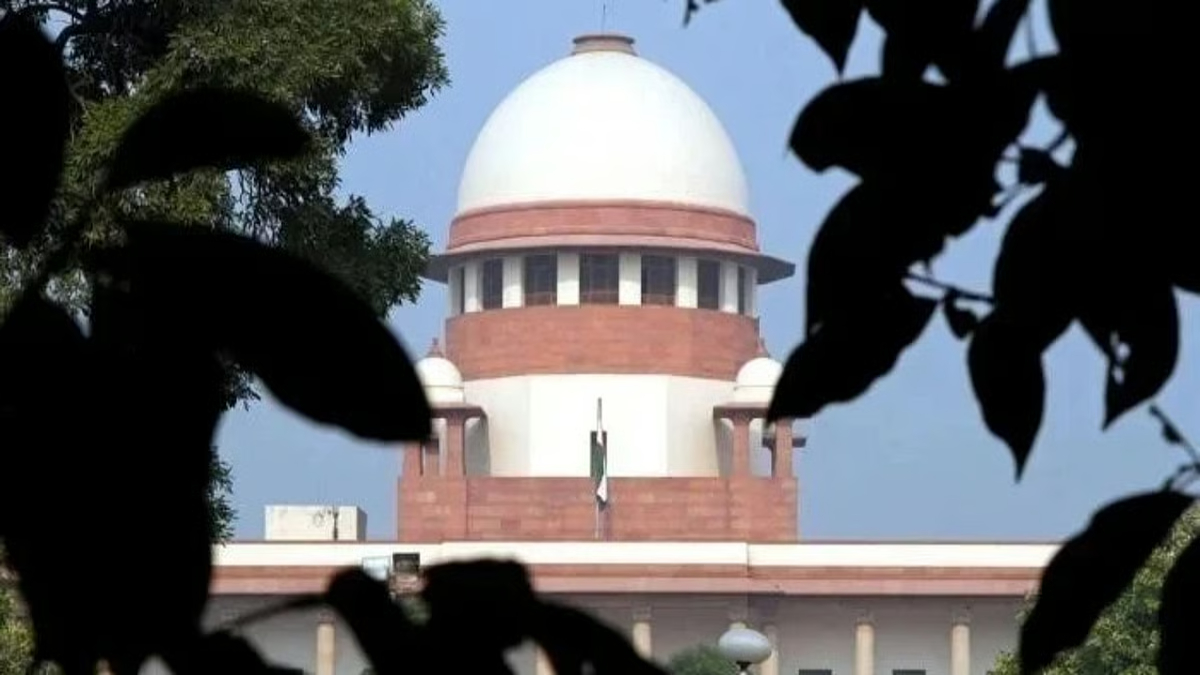
New Delhi, April 9, 2026: In a landmark intervention that highlights the growing concern over “legal terrorism” in matrimonial disputes, the Supreme Court of India recently brought the curtains down on a decade-long divorce battle. Describing the litigation as a “Mahabharata-like war,” the bench successfully mediated a settlement that saw the withdrawal of over 80 criminal and civil cases and a final alimony payout of Rs 5 crore.
A Decade of Legal Attrition
The dispute, which began in 2014, quickly escalated from a standard divorce petition into a sprawling web of litigation. Over ten years, the estranged couple—both highly educated professionals—clogged various levels of the judiciary with dozens of complaints. These ranged from:
- Domestic Violence allegations and maintenance claims.
- Criminal Defamation cases against extended family members.
- Perjury and Contempt petitions.
- Property and Dowry related disputes.
The “Mahabharata” analogy used by the court underscored the scale of the conflict, where the primary objective seemed less about seeking justice and more about exhausting the opponent’s resources and spirit.
The Supreme Court’s Intervention
Recognizing that the judicial system was being used as a tool for vengeance rather than resolution, a bench comprising Justice Vikram Nath and Justice Prasanna B. Varale decided to take a proactive approach. Instead of merely adjudicating on a single petition, the court looked at the “complete picture” of the litigation.
The Justices noted that such protracted battles not only drain the parties involved but also waste thousands of hours of precious judicial time. The court urged both parties to prioritize their future over their past grievances.
“The aim of the law is to resolve disputes, not to provide a platform for perpetual warfare,” the bench observed during the mediation process.
The Terms of the Settlement
Through intensive counseling and court-monitored mediation, a final resolution was reached. The terms of the settlement were comprehensive, ensuring that no legal “loose ends” remained to spark future conflict:
- Lump Sum Alimony: The husband agreed to pay a final settlement of Rs 5 crore to the wife as a full and final settlement of all claims, including maintenance and property.
- Withdrawal of 80+ Cases: In a massive “legal cleanup,” both parties agreed to move joint applications to quash every single pending case across various courts in India.
- Mutual Divorce: The court exercised its extraordinary powers under Article 142 of the Constitution to grant a decree of divorce by mutual consent, bypassing the procedural delays of lower courts.
- No Future Litigation: Both parties signed an undertaking that they would not initiate any further legal proceedings against each other or their respective families.
Why This Matters
This case serves as a stark reminder of the “litigation culture” that often plagues Indian matrimonial law. Legal experts suggest that the “80 cases” figure is a symptom of a system where parties believe that filing more cases yields better leverage in settlement negotiations.
By stepping in and ending the “Mahabharata,” the Supreme Court has sent a clear message: the judiciary will not be a silent spectator to the misuse of the legal process. This judgment encourages a shift toward Alternative Dispute Resolution (ADR) and highlights that, in many family disputes, a “win-win” settlement is far superior to a “win-at-all-costs” legal victory.
The resolution marks the end of a dark chapter for the couple, allowing them to move forward after a decade spent in the shadow of courtrooms.