
 confirmed the elimination of Ali Yusuf Harshi,)
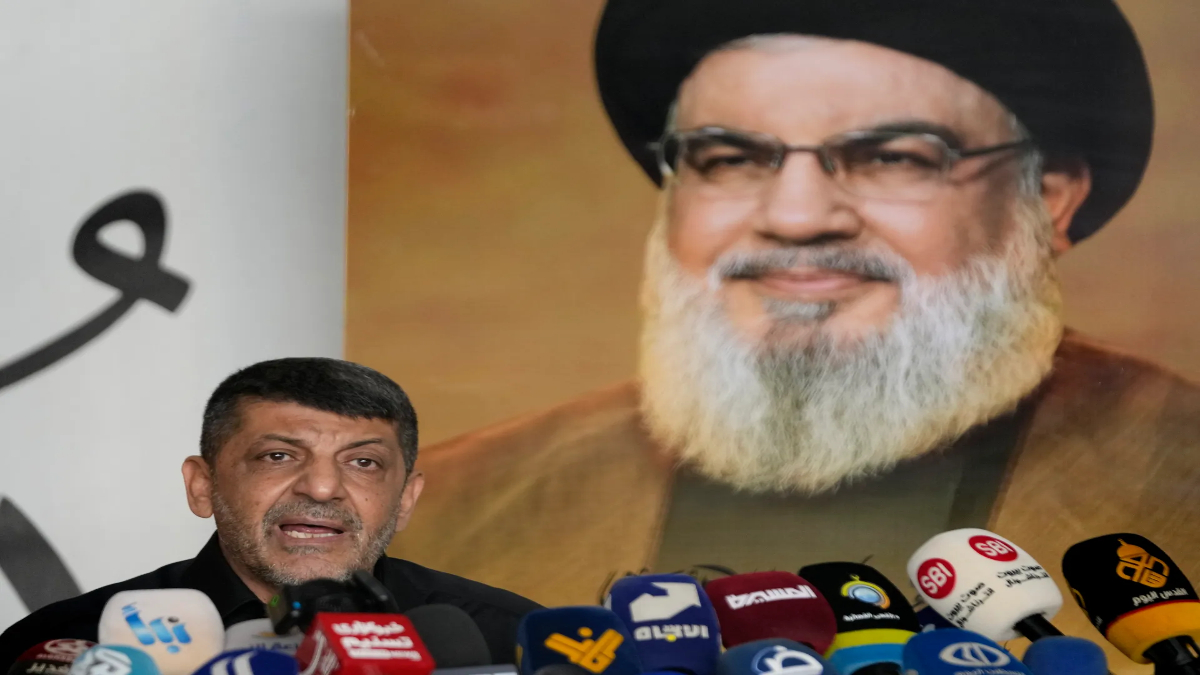
New Delhi, April 9, 2026 – The Middle East conflict has taken a significant turn as the Israel Defense Forces (IDF) confirmed the elimination of Ali Yusuf Harshi, the personal advisor and nephew of Hezbollah Secretary-General Naim Qassem. The high-profile killing occurred during a wave of intensive Israeli airstrikes targeting Beirut, further straining a fragile, newly-announced ceasefire between the United States and Iran.
Strategic Strike in the Heart of Beirut
According to official military statements, Harshi was targeted in a precision strike on Wednesday in Beirut’s Tallet Khayat neighborhood. Unlike previous operations focused on the Dahiyeh stronghold, this strike occurred in a central residential and commercial district, causing a multi-story building to partially collapse.
The IDF identified Harshi as a “close associate” who played a “central role in managing and securing” the Hezbollah chief’s office. Military analysts suggest that the loss of such a figure represents a major intelligence breach and a logistical blow to Hezbollah’s top-tier leadership communication and security protocols.
Ceasefire Under Strain
The escalation comes at a precarious diplomatic moment. Only a day prior, a two-week ceasefire facilitated by international mediators, including Pakistan, was announced between the United States and Iran. While the truce was intended to de-escalate the direct “Iran-US war” framework, Israel has maintained that the agreement does not apply to its operations against Hezbollah in Lebanon.
“The battle in Lebanon continues, and the ceasefire does not include Lebanon,” stated Israeli military spokesperson Avichay Adraee. This stance has been met with fierce domestic and international debate. In retaliation for the Beirut strikes, Hezbollah launched a barrage of rockets toward northern Israeli settlements, including the Manara kibbutz, citing its “right to respond” to ceasefire violations.
Rising Human Cost and Infrastructure Damage
The intensity of the latest bombardment has been described as the heaviest since the current phase of the conflict began in late February. Lebanese civil defense services reported that recent strikes have killed over 250 people and wounded more than 1,100 others in a single 24-hour window.
Beyond leadership targets, the Israeli military reported striking:
- Two central Litani River crossings: Allegedly used to transport thousands of rockets and launchers.
- Ten weapons storage facilities: Located across southern Lebanon.
- Command Centers: Aimed at dismantling Hezbollah’s operational grip on the border regions.
Global Reactions
The international community has reacted with alarm to the potential collapse of the regional truce. China issued a stern warning that Lebanon’s sovereignty “should not be violated,” while the United Kingdom’s Foreign Secretary, Yvette Cooper, characterized the escalation as “deeply damaging.” Meanwhile, Spain took a symbolic stand by reopening its embassy in Tehran and refusing to allow U.S. bases on its soil to be used for strikes against Iran.
In the United States, Donald Trump warned via social media that while he expects compliance with the “real agreement,” the U.S. military remains deployed and ready to resume operations if the deal is compromised.
As rescue workers in Beirut continue to dig through the rubble of collapsed apartments, the prospects for a lasting peace remain shrouded in uncertainty. The assassination of Ali Yusuf Harshi marks a definitive moment in Israel’s campaign to decapitate Hezbollah’s leadership, even as the world watches to see if the broader US-Iran truce can survive the fallout.