

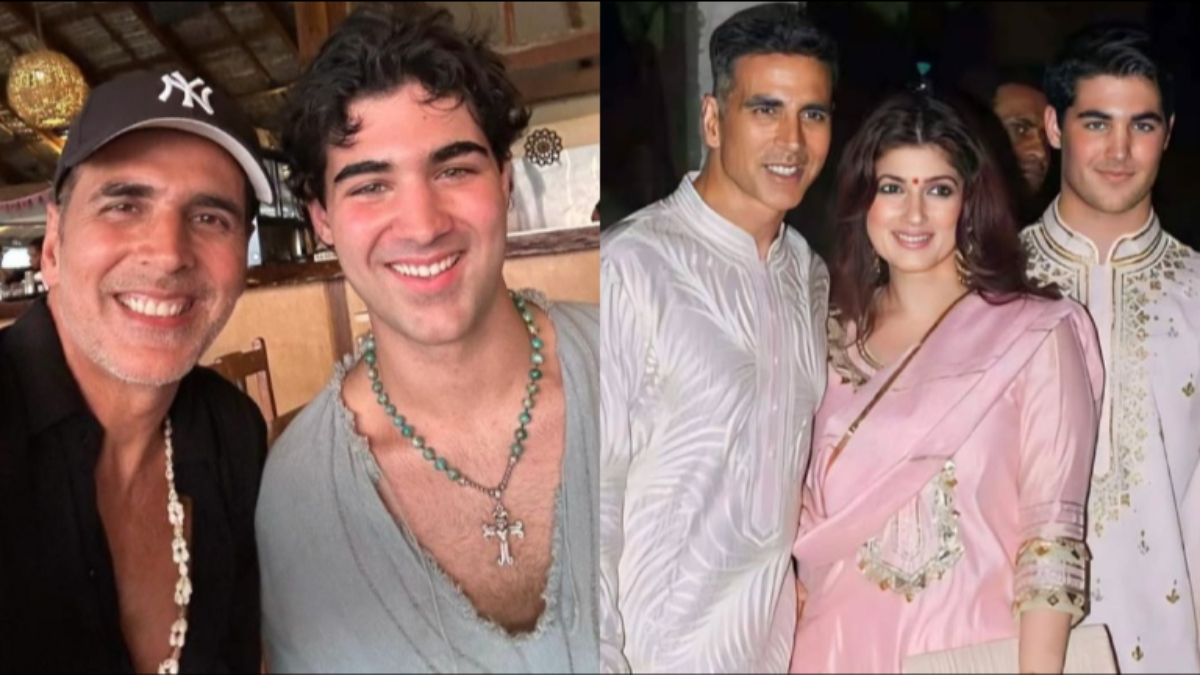
New Delhi, April 20, 2026: In an industry where the children of superstars are often expected to follow in their parents’ glamorous footsteps, the life choices of Aarav Bhatia, the 23-year-old son of Bollywood icon Akshay Kumar and author Twinkle Khanna, stand out for their refreshing simplicity. While the public often assumes that celebrity children live a life of unchecked luxury, a recent revelation by Akshay Kumar has sparked a widespread conversation about humility, independence, and the dignity of learning from the ground up.
In a candid interview that has since gone viral, the Bhooth Bangla actor shared that his son is currently working a job that pays a modest salary of Rs 4,500 per month. Far from the world of red carpets and big-budget film sets, Aarav has chosen to immerse himself in the fashion industry, prioritizing hands-on experience over inherited fame.
A Path Less Travelled: The Choice for Fashion
During a conversation with content creator Shubhankar Mishra, Akshay Kumar opened up about the dynamic between him and his son. When asked about his son’s professional aspirations, the actor made it clear that Aarav has no interest in joining the film industry.
“He doesn’t want to come into films. There’s no plan at all,” Akshay revealed. Instead, Aarav has dedicated himself to the world of fashion design. What makes his journey particularly notable is his dedication to learning the craft from the grassroots level.
Rather than relying on his family’s influence to secure high-profile internships or roles, Aarav has been traveling across villages and rural areas to understand the nuances of textiles, traditional printing techniques, and local craftsmanship. It is in these remote settings that he is gaining practical experience, earning a monthly stipend of Rs 4,500.
Also Read: The Inspiring Journey of Rupanshi Sharma, Miss Mandi 2026
“Bechara” or Brave? Akshay’s Parenting Philosophy
When the interviewer appeared surprised by the modest salary, referring to the irony of a superstar’s son earning such a small amount, Akshay responded with calm pride. Describing his son’s situation, the actor affectionately called him “bechara” (poor fellow) in a tone of endearment, but quickly pivoted to why this journey is vital.
“Acchi baat hai, kyun nahi?” (It’s a good thing, why not?), Akshay remarked. For the actor, the small salary is not a sign of struggle but a badge of honor. He believes that by starting from the bottom, his son is gaining an education that money cannot buy—one built on resilience, understanding the value of work, and respecting the diverse talents found in rural India.
Akshay’s parenting philosophy has always been centered on autonomy. He shared that he does not believe in giving long lectures or over-managing his children’s lives. His only core piece of advice to his son has been simple yet profound: “Never hurt or trouble anyone.” Once that foundation is set, Akshay believes his children should be free to handle their own lives and carve their own paths.
A Life Away from the Glare
Aarav’s decision to move to London at the age of 15 for his education marked the beginning of his independent journey. Since then, he has largely stayed away from the media spotlight that accompanies his family name. Reports suggest that he leads a grounded lifestyle, managing daily chores like cooking and cleaning himself, and often choosing sustainable, practical clothing over expensive brands.
His commitment to being “normal” extends to his personal habits; his father has noted that he is as disciplined as he is, sharing a strong interest in health, fitness, and martial arts—Aarav is a black belt and a gold medalist in judo, much like his father.
A Lesson for the Future
The story of Aarav Bhatia serves as a quiet reminder of the difference between “privilege” and “entitlement.” In a landscape where the term “star kid” is frequently scrutinized under the lens of nepotism, Aarav’s decision to work in rural areas for a modest wage is a deliberate, conscious step toward authenticity.
By choosing to understand the fundamental mechanics of the fashion industry—learning how fabrics are made and how artisans work—Aarav is not just building a resume; he is building character. As he continues his journey, the public interest in his modest salary may eventually fade, but the lesson he is demonstrating remains relevant: true success is not inherited; it is earned through dedication, curiosity, and the courage to find one’s own identity, away from the shadows of fame.