

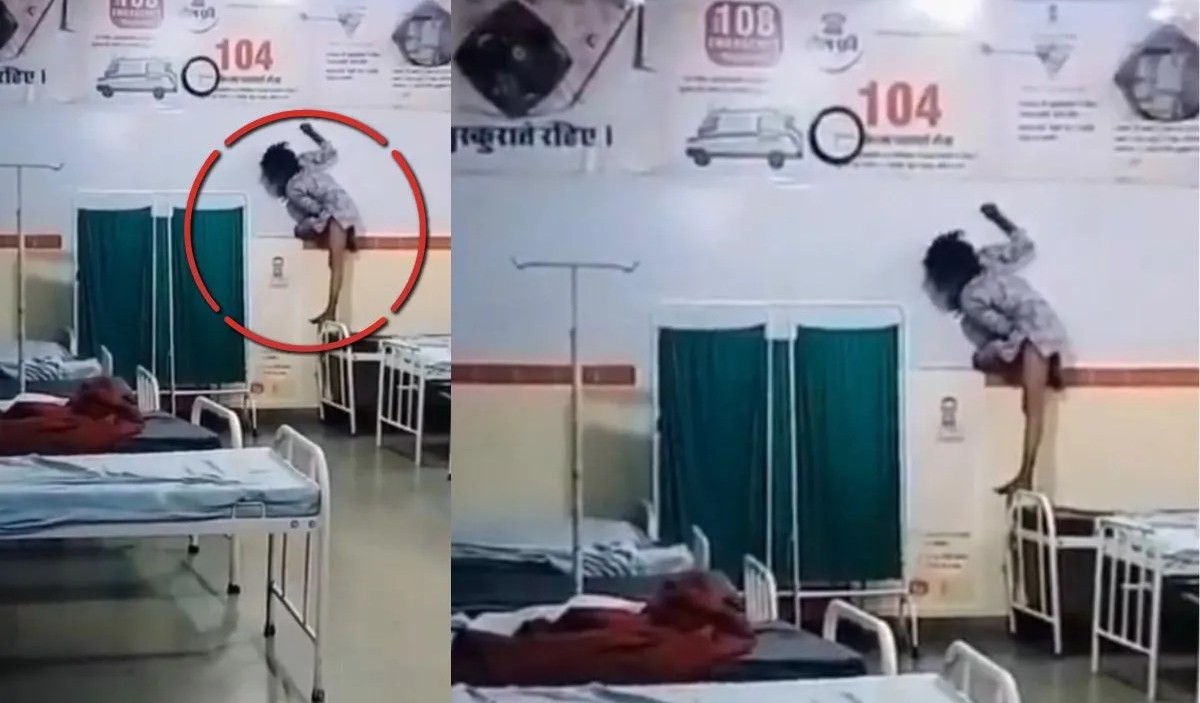
New Delhi, April 28, 2026: A fifteen-day-old video that has been circulating with sensationalist claims of supernatural activity has been officially debunked by authorities today, April 28, 2026. The footage, which depicts a young girl exhibiting erratic physical movements, was initially shared by miscreants as evidence of “ghostly possession.” However, it has been clarified by medical experts and local law enforcement that the child is actually suffering from a severe mental health condition. In a significant move toward digital accountability, a First Information Report (FIR) has been registered against the individual who first recorded and uploaded the video with misleading captions.
The “truth” behind the viral clip highlights the dangerous intersection of superstition and social media. In the video, the girl is observed in a state of distress, performing repetitive and unusual actions that were misinterpreted by onlookers. It is reported that instead of offering assistance or seeking medical help, the person behind the camera chose to frame the incident as a “paranormal event” to garner views and followers, thereby violating the privacy and dignity of a minor in need of clinical care.
Debunking the Supernatural: The Clinical Perspective
The reaction from the digital community has shifted from fear to firm support for the victim’s family. It is argued by mental health advocates that the branding of neurological or psychological disorders as “possession” is a regressive practice that prevents patients from receiving timely treatment. On platforms like X and Facebook, the footage has been utilized by doctors to educate the public about conditions such as acute psychosis or certain forms of epilepsy, which can often be mistaken for “ghostly” behavior by the uninformed.
The impact of the video has prompted a stern warning from the police regarding the sharing of sensitive content involving children. It is noted by authorities that the dissemination of the girl’s identity coupled with false, superstitious narratives has caused immense psychological trauma to her family. The passive role of the viewers—who continued to share the clip without verifying the facts—has been identified as a catalyst for the spread of misinformation, leading to the decision to take strict legal action against the original uploader.
Also Read: UP Officer’s Presence in West Bengal Sparks Political Row
Law and Order: FIR Registered for Spreading Misinformation
Following the viral success of the “Ghost Rumor” clip, the local police department initiated a probe that quickly traced the source of the video. It is reported that the accused has been booked under various sections related to defamation, the IT Act, and potentially the Juvenile Justice Act for exposing a minor’s vulnerability for personal gain. The video has since been removed from several major platforms, and a formal request has been sent to social media companies to flag and delete any remaining re-uploads.
As of the afternoon of April 28, 2026, the story remains a top trending topic in the “social awareness” category. While the girl is currently receiving the necessary medical and psychiatric support, the digital record of the case serves as a landmark example of the legal consequences of “fake news.” For now, the story stands as a digital reminder: mental illness is a medical reality that requires empathy and science, not a spectacle to be exploited for viral engagement.