

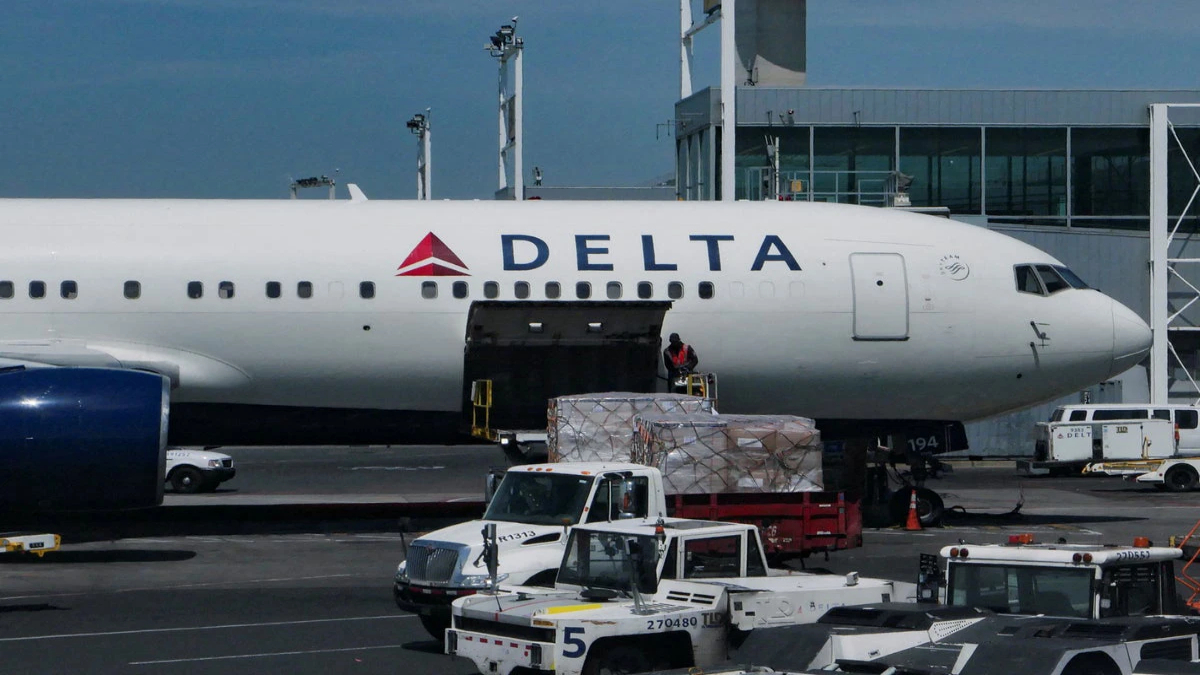
New Delhi, May 4, 2026: In a dramatic incident that underscores the high-stakes environment of modern air travel, a routine Delta Air Lines flight from Miami to Atlanta descended into chaos earlier this week. The flight, originally scheduled for a standard departure, was grounded and forced to return to the gate after a passenger refused multiple requests from the flight crew to end a phone call during taxiing.
The incident, which took place on Monday, April 27, 2026, has since become a viral sensation, drawing national attention and sparking a widespread debate regarding cabin etiquette, passenger compliance, and the collective experience of flying in an increasingly crowded sky.
The Sequence of Events
According to authorities and official statements from Delta Air Lines, the trouble began while the aircraft was taxiing toward the runway at Miami International Airport. As part of standard pre-departure safety procedures, flight attendants moved through the cabin, instructing passengers to secure their belongings, fasten seatbelts, and—crucially—end any ongoing phone conversations to ensure full attention is given to safety briefings.
The passenger, identified by police as 39-year-old Shannon Marie Harris of Tyrone, Georgia, allegedly ignored these instructions. Despite repeated pleas from the flight crew to hang up her phone, Harris reportedly remained on the call, causing the situation to escalate quickly.
As the crew attempted to enforce the mandatory safety protocols, the behavior of the passenger reportedly turned “belligerent.” Recognizing that they could not proceed with a non-compliant passenger on board, the pilot made the difficult decision to abandon the taxi and return the aircraft to the gate.
A Cabin in Upheaval
Once the plane was back at the gate, the situation did not resolve peacefully. A Delta supervisor boarded the aircraft and requested that Harris deplane voluntarily. She refused.
This refusal triggered a chain reaction of inconvenience for the remaining passengers. To safely remove the disruptive traveler, the airline made the call to have every individual on the flight deplane. This protocol, while frustrating for those on board, is becoming a more common operational move in the aviation industry to avoid the spectacle of security personnel physically extracting an uncooperative passenger while other travelers record the event.
Inside the cabin, the atmosphere was thick with frustration. Viral videos circulating on social media captured the mood, with exasperated passengers audibly pleading with the woman to consider the needs of the group. Comments such as “Please be considerate” and “Consider the rest of us” echoed through the aisle as fellow travelers, many of whom faced the risk of missing connecting flights, watched their schedule slip away.
In a final twist, when the order was given for everyone to exit, Harris reportedly attempted to blend in with the rest of the passengers leaving the plane. She was identified by authorities and promptly arrested by police at the gate.
The Aftermath and Legal Repercussions
According to records from the Miami-Dade County court, Shannon Marie Harris is facing trespassing-related charges. While she has not yet publicly addressed the specific allegations, the incident serves as a stark reminder of the legal and personal consequences of disrupting air travel.
Delta Air Lines issued a firm, concise statement following the incident: “The safety of our customers and crew comes before all else, and Delta has zero tolerance for disruptive behavior. We apologize to our customers for this experience and delay in their travels.”
The flight eventually departed for Hartsfield-Jackson Atlanta International Airport roughly one hour behind schedule. While an hour may seem like a minor delay in the grand scheme of travel, the incident highlights the reality that, at 30,000 feet, every passenger’s actions have a direct, tangible impact on everyone else.
The Broader Conversation on Air Travel
The event has reignited conversations about the “contract” between airlines and passengers. Federal aviation regulations are explicit: passengers must follow the instructions of crew members. Failure to do so is not merely a breach of etiquette—it is a security violation that can lead to significant civil penalties, which can reach nearly $14,000 in certain circumstances.
Beyond the legalities, the incident touches a nerve in modern society. Many commentators and passengers have pointed to this event as an example of an increasing, and concerning, trend where some individuals treat shared public spaces as extensions of their private lives, refusing to adhere to the basic social compact required for collective travel.
As the video of the disgruntled passengers continues to spread, it remains a potent reminder of the importance of mutual respect in transit. For the passengers on Flight 1323, it was a day of unnecessary stress, a lesson in the consequences of defiance, and a stark illustration that when it comes to flying, the rules are in place to keep everyone safe—and when those rules are ignored, the entire community suffers.