
 plunged by a staggering 139 paise today,)
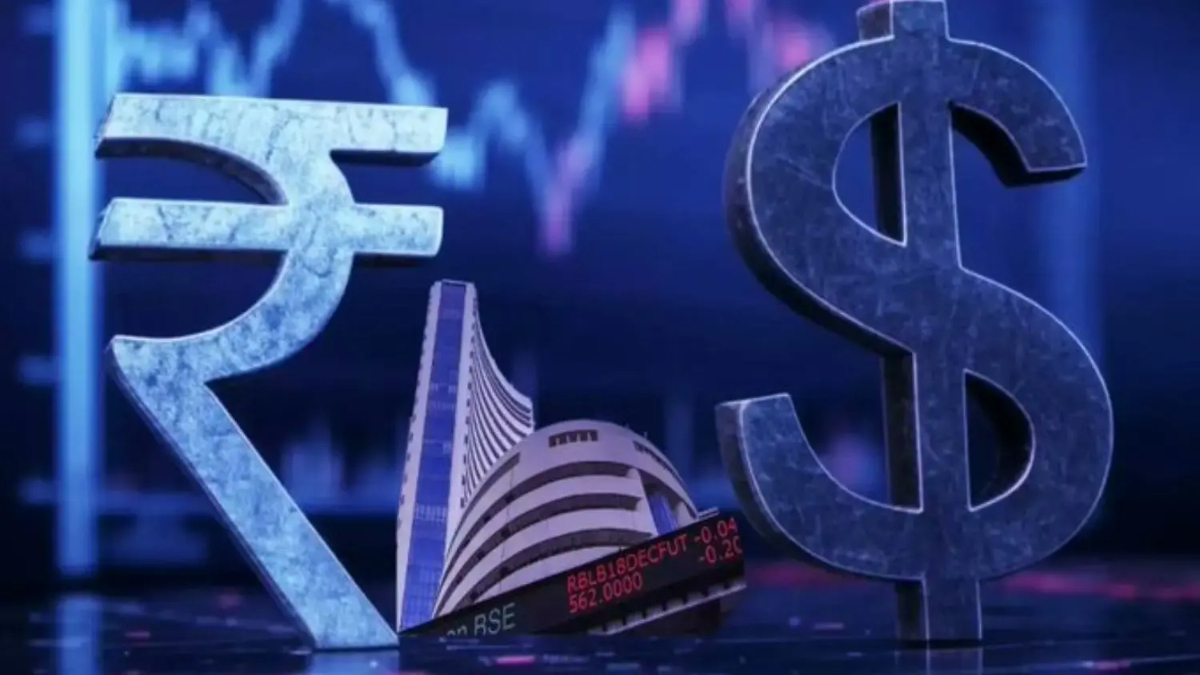
New Delhi, May 11, 2026 – In a dramatic session that has sent shockwaves through India’s financial corridors, the Indian Rupee (INR) plunged by a staggering 139 paise today, closing at a historic low of 94.90 against the U.S. Dollar (USD). This marks one of the sharpest single-day declines in recent memory, breaching key psychological barriers and sparking concerns across the industrial and consumer sectors.
The sudden volatility comes amid a perfect storm of global geopolitical tensions, a surging Dollar Index, and shifting capital flows that have left emerging market currencies struggling to find a footing.
The Anatomy of the Crash: Why Now?
The rupee’s descent to the 94.90 mark wasn’t a result of a single event, but rather a convergence of several high-pressure factors:
- The Resilient Greenback: The U.S. Dollar Index (DXY), which measures the buck against a basket of six major currencies, climbed to a multi-month high. Investors are flocking to the safety of the dollar as the U.S. Federal Reserve maintains a “higher-for-longer” stance on interest rates to combat stubborn inflation.
- Geopolitical Turbulence: Escalating tensions in Eastern Europe and the Middle East have disrupted global supply chains once again. This uncertainty has triggered a “risk-off” sentiment, where global investors pull money out of emerging markets like India and park it in safer U.S. Treasury bonds.
- Crude Oil Pressure: As a country that imports nearly 80% of its oil requirements, India is highly sensitive to energy prices. With Brent crude hovering near the $95-100 per barrel mark, the demand for dollars by oil marketing companies has spiked, putting immense downward pressure on the rupee.
- FII Outflows: Foreign Institutional Investors (FIIs) have been net sellers in the Indian equity markets over the last few sessions. When foreign investors sell Indian stocks, they convert their rupee holdings back into dollars to take home, further weakening the local currency.
Impact on the Common Man: What Gets More Expensive?
A weaker rupee isn’t just a number on a trading screen; it has real-world consequences for every Indian household. When the rupee “crashes,” the cost of importing goods rises, leading to imported inflation.
1. Electronics and Gadgets
Most components for smartphones, laptops, and home appliances are imported. Manufacturers typically pass these increased costs to consumers. If you’ve been eyeing a new phone, you might see a price hike of 5-10% in the coming weeks.
2. Fuel and Transport
Since oil is bought in dollars, a weaker rupee makes petrol and diesel more expensive. Higher fuel prices lead to increased logistics costs, which eventually trickles down to the price of milk, vegetables, and other daily essentials.
3. Foreign Education and Travel
For students heading abroad for the fall semester, this crash is a significant blow. A tuition fee of $50,000, which would have cost approximately ₹41.5 lakhs a couple of years ago, now costs nearly ₹47.45 lakhs at today’s rate. Similarly, international holiday packages will see an immediate upward revision in costs.
The Silver Lining: Who Wins?
While the general sentiment is one of concern, a depreciating rupee isn’t bad news for everyone.
- Exporters: Software services (IT), textiles, and pharmaceutical companies earn in dollars. When they bring that money back to India, they now get more rupees for every dollar earned, boosting their profit margins.
- NRIs: Non-Resident Indians sending money home to their families will find that their dollar remittances now go much further in India.
Sector-Wise Impact at a Glance
| Sector | Impact | Reason |
| IT & Services | Positive | Increased revenue in INR terms from overseas clients. |
| Automobiles | Negative | Higher costs for imported components and raw materials like steel. |
| Pharma | Mixed | Gains from exports, but higher costs for imported Active Pharmaceutical Ingredients (APIs). |
| Aviation | Highly Negative | Fuel (ATF) and aircraft leasing costs are dollar-denominated. |
The RBI’s Move: Can the Slide be Stopped?
All eyes are now on the Reserve Bank of India (RBI). Historically, the RBI does not target a specific level for the rupee but intervenes to prevent “excessive volatility.”
Market analysts expect the central bank to utilize its foreign exchange reserves to sell dollars in the spot and forward markets. By “flooding” the market with dollars, the RBI can soak up the excess rupee liquidity and stabilize the exchange rate.
“The breach of 94.50 was a technical breakdown. While the RBI has a robust war chest of forex reserves, the global tide is very strong. We might see the rupee consolidate in the 94.20–95.10 range in the short term,” says Amit Shah, a senior currency strategist at a leading Mumbai brokerage.
Looking Ahead: What Should Investors Do?
The road ahead for the rupee remains bumpy. Investors should keep a close watch on:
- U.S. Inflation Data: If U.S. inflation cools, the Fed might hint at rate cuts, which would weaken the dollar and help the rupee recover.
- Global Oil Prices: Any de-escalation in global conflicts could bring oil prices down, easing the pressure on India’s trade deficit.
For the average consumer, the advice is simple: if you have major dollar-denominated expenses coming up (like a trip or a tuition payment), it might be wise to hedge your costs or consult a financial advisor. For the long-term investor, the Indian economy’s fundamental growth story remains intact, though the currency volatility may cause some short-term turbulence in equity portfolios.
As the sun sets on a historic day for the Indian markets, the message is clear: the era of the “cheap dollar” is firmly in the rearview mirror, and India must now navigate the challenges of a high-dollar environment.