
 has undergone a radical transformation over the last few years. Once defined by strict,)
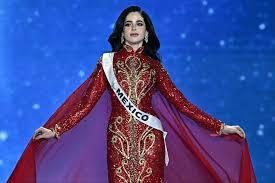
New Delhi, May 14, 2026: The Miss Universe Organization (MUO) has undergone a radical transformation over the last few years. Once defined by strict, some might say “obsolete,” eligibility criteria, the pageant has pivoted toward a new era of inclusivity. As of May 2026, the stage looks vastly different than it did a decade ago.
If you still think the pageant is only for single women in their early 20s, you’re in for a surprise. Here is an updated look at the rules and shifts that have redefined the world’s most famous stage.
1. The Death of the Age Limit
Perhaps the most seismic shift in pageant history occurred when the Miss Universe Organization officially removed the upper age limit.
Historically, contestants had to be between the ages of 18 and 28. This created a “ticking clock” for many women in the industry. Starting in late 2023 and solidified through the 2024–2026 seasons, any woman over the age of 18 is now eligible to compete.
- The Impact: We are now seeing women in their 30s, 40s, and even 60s competing in national preliminaries. This change acknowledges that “universe-level” leadership and beauty aren’t restricted to a specific decade of life.
2. Marital and Parental Status: Barriers Broken
For over 70 years, the title “Miss” Universe was literal. Contestants were required to be “unmarried” and “not pregnant.” In 2023, the organization moved to allow:
- Married women
- Divorced women
- Pregnant women
- Mothers
The logic behind this was simple: a woman’s professional capacity to serve as a global ambassador is not diminished by her personal life or her choice to start a family. In 2026, seeing a mother of two walk the stage in an evening gown is no longer a “gimmick”—it’s the new standard of modern womanhood.
3. Inclusion of Transgender Contestants
While Miss Universe has allowed transgender contestants since 2012 (following the Angela Ponce landmark moment), the organization’s commitment has deepened under its recent leadership. The rules explicitly state that any woman—regardless of the gender assigned at birth—is eligible to compete, provided she wins her national title. This move reflects a broader global shift toward recognizing gender identity as a fundamental aspect of self-identification.
4. The Selection Process: More Than a Pretty Face
The judging criteria in 2026 have moved further away from “physical perfection” and more toward “transformational leadership.” While the swimsuit and evening gown segments remain for the sake of tradition and stage presence, the weight of the “Selection Committee Interview” has never been higher.
How Contestants are Scored Now:
| Category | Focus Area |
| Personal Interview | Communication skills, social impact, and “Voice for Change.” |
| Evening Gown | Confidence, poise, and personal style. |
| Swimsuit/Athleisure | Physical health, discipline, and stage presence. |
| Social Impact (Voice for Change) | The depth and viability of their chosen advocacy project. |
5. The “Voice for Change” Platform
One of the most significant “unwritten” rules that has become formalized is the requirement for a robust Advocacy Project. Contestants are no longer expected to just “want world peace.” They must arrive with a track record of service.
Through the Voice for Change video competition, delegates showcase specific solutions to global issues—ranging from climate change and mental health to digital literacy and economic empowerment. In 2026, the winner is expected to function more like a UN Ambassador than a traditional “beauty queen.”
6. Citizenship and Representation
To ensure the pageant truly represents the “Universe,” the rules regarding residency have been clarified. A contestant must generally be a citizen of the country she represents. However, there are nuances for women who have lived in a country for a significant period or have dual citizenship, allowing for a more diverse representation of the global diaspora.
Why the Rules Changed
The modernization of Miss Universe was born out of necessity. In a world where women are leading Fortune 500 companies and heading nations, the idea that they couldn’t wear a crown because they had a child or celebrated a 30th birthday was becoming increasingly difficult to defend.
Under the ownership of JKN Global Group and subsequent strategic partnerships, the pageant has rebranded itself as a platform for empowerment. The goal is to find a woman who can handle a 24-hour global news cycle, speak at international summits, and inspire a diverse demographic of fans.