

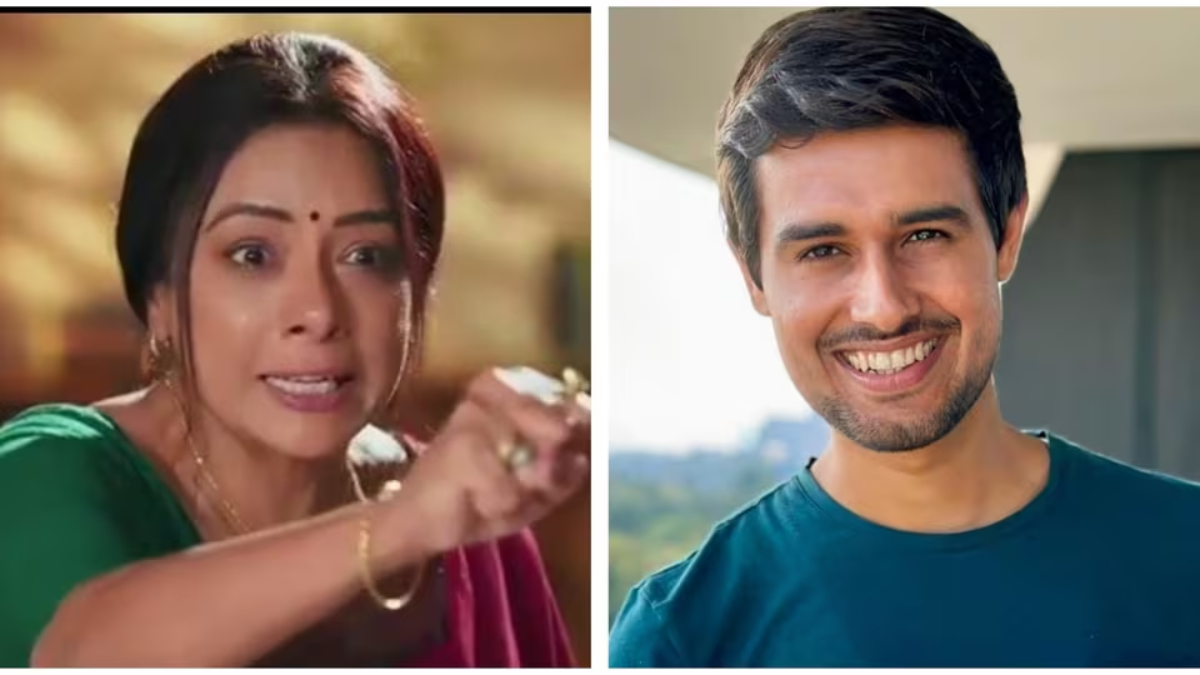
New Delhi, May 25, 2026: A major social media storm has erupted following a fierce exchange between popular television actor Rupali Ganguly and prominent YouTuber Dhruv Rathee. The controversy kicked off when Rathee made a highly provocative post on social media platform X (formerly Twitter), asserting that Prime Minister Narendra Modi “deserves to be humiliated everywhere he goes.” The statement quickly caught the attention of the Anupamaa actress, who launched a sharp counter-offensive, stating that the country does not need a “YouTuber sitting abroad” acting as its self-appointed spokesperson.
The digital clash has rapidly escalated into a wider public debate online, drawing in commentary from other entertainment figures, political observers, and thousands of social media users. It highlights a widening rift between digital creators who use foreign bases to critique Indian governance and domestic public figures who view such actions as disconnected, external interference.
The Spark: What Did Dhruv Rathee Say?
The confrontation began when Germany-based political commentator and content creator Dhruv Rathee posted a sharp critique regarding Prime Minister Modi’s accountability and transparency. In his post on X, Rathee expressed deep frustration with the lack of direct journalistic access to the country’s leader, specifically highlighting that the Prime Minister has not held a formal press conference in over a decade.
Rathee then turned his attention to international media, actively encouraging European journalists to confront and embarrass the Indian premier during his official state visits abroad. Citing a recent incident involving Danish journalist Helle Lyng, Rathee urged.
The Counter-Attack: Rupali Ganguly Fires Back
The call for foreign journalists to intentionally embarrass the leader of the world’s largest democracy did not sit well with Rupali Ganguly. The television star, who officially joined the Bharatiya Janata Party (BJP) in mid-2024, utilized her platform to issue a lengthy, passionate rebuttal, quoting Rathee’s original post and fiercely defending the Prime Minister’s global standing.
Ganguly began by calling out the irony of using the word “humiliation” for a leader who is routinely celebrated by foreign governments. She pointed out that rather than being embarrassed on the global stage, PM Modi has consistently received top civilian honors from various nations during his international travels.
Defending the Democratic Mandate
A core pillar of Ganguly’s defense rested on democratic legitimacy. She reminded the YouTuber and his followers that the Prime Minister’s authority comes directly from the Indian electorate, noting his unbroken streak of electoral victories spanning more than two decades across both state and national levels.
“Leave India’s Progress to Indians”
In the most stinging portion of her response, Ganguly directly questioned Rathee’s authority to speak on behalf of the country or define what constitutes “service for India’s progress.” She sharply criticized his physical and cultural distance from the country’s ground realities, alleging that his business model relies on creating division and fearmongering.
The Growing Backlash Against Rathee’s Post
Ganguly is not the only notable figure to call out Rathee’s remarks. The online discourse shows that the YouTuber’s call for intentional international embarrassment crossed a line for several public figures who otherwise maintain neutral or even critical stances on governance.
Actor Gul Panag also weighed in on the controversy, openly criticizing the nature of Rathee’s tweet. Panag, known for her measured social and political commentary, simple stated that calling for the public humiliation of a nation’s elected leader is “not cool.”
Many social media users echoed these sentiments, arguing that while criticizing governmental policy, inflation, unemployment, or press relations is entirely fair game in a democracy, actively inviting foreign bodies to humiliate the representative of one’s own country compromises national dignity. Critics have increasingly labeled Rathee’s approach as overly cynical, pointing out that his commentary often seems tailored to fuel online outrage rather than foster constructive domestic dialogue.
The Broader Context: A Clashing Digital Landscape
This high-profile spat mirrors a larger, systemic shift in how political messaging is fighting for dominance in India. Over the last few years, traditional news media has faced stiff competition from independent digital creators. YouTubers like Dhruv Rathee have amassed millions of viewers by positioning themselves as independent watchdogs, frequently releasing videos that challenge the ruling government’s policies and narratives.
However, this influence has drawn heavy scrutiny. Ground-level politicians and domestic celebrities frequently point out that influencers operating from European or Western nations enjoy the safety of foreign jurisdictions while throwing rhetorical stones at Indian institutions. The argument presented by Ganguly—that a digital creator shouldn’t build a lucrative career off the systematic degradation of the country that gave them an audience—is a sentiment that is resonating deeply with a significant portion of the Indian public.
As India navigates its complex socio-political landscape, the line between constructive political dissent and targeted character defamation remains a fiercely contested battleground. For now, the confrontation between the TV icon and the internet influencer stands as a textbook example of how deeply polarized the conversation surrounding national leadership and global image has truly become.