

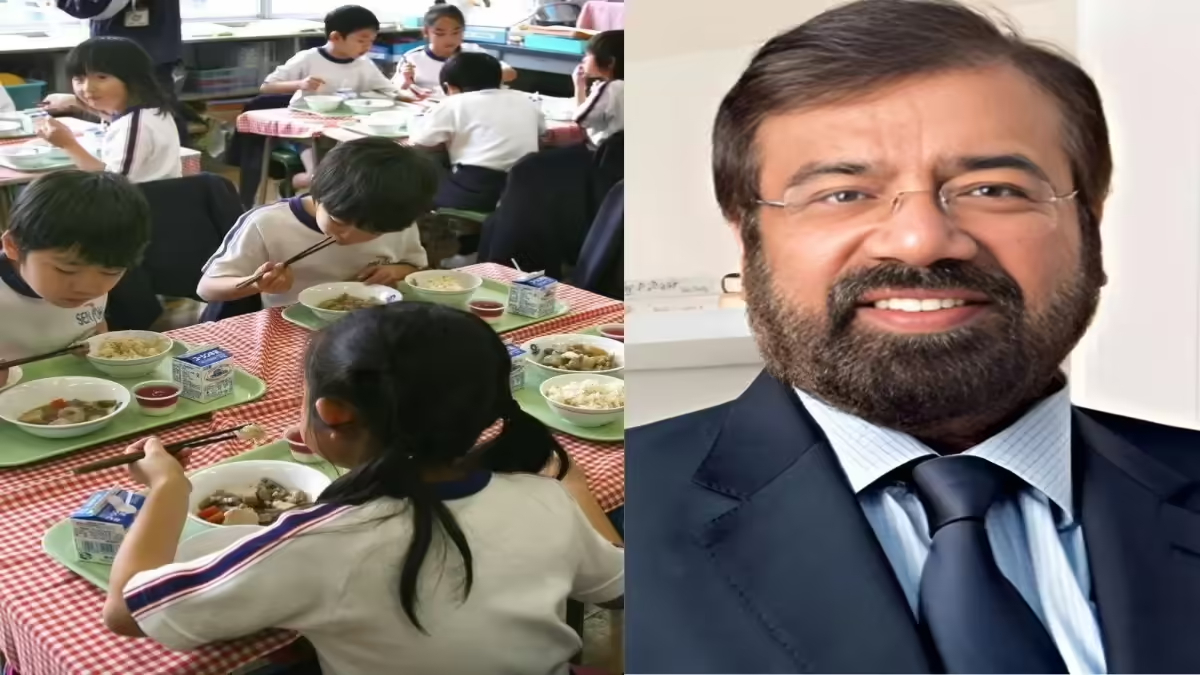
A viral video shared by billionaire industrialist Harsh Goenka has ignited a global conversation about public education, healthcare, and childhood development. The video showcases the meticulous, disciplined, and deeply empathetic structure of Japan’s elementary school lunch system—known locally as Kyushoku.
Goenka, Chairman of RPG Enterprises, shared the video on the social media platform X with a caption that resonated deeply with millions: “There is much to learn for us from the thoughtful way the Japanese offer lunch in schools.”
The post did not just garner views; it struck a chord internationally. From frantic parents in Mumbai to policy analysts in Washington, observers are asking why Western and South Asian school lunch programs often feel like afterthought operations, while Japan treats the midday meal as a core academic subject. Even in the United States, where school lunch quality is a frequent battleground for nutritionists, critics and citizens alike are looking toward Japan with immense admiration.
The Industrial Precision of Kyushoku
The viral video begins long before students ever sit down to eat, peeling back the curtain on the hyper-hygienic world of Japanese school kitchens. What looks like a standard cafeteria program is actually a massive logistical operation dictated by strict national laws.
Every morning, kitchen staff undergo rigorous sanitization and disinfection protocols before stepping into the preparation zones. Ingredients are segregated by type to prevent any chance of cross-contamination. Leafy vegetables undergo multiple cycles of washing in large water tanks to ensure all impurities are eliminated. Root vegetables like potatoes and carrots are processed in specialized drum washers that peel and clean them simultaneously.
The menu highlighted in the video showcases both culinary luxury and nutritional balance. It features perfectly steamed white rice alongside a hearty beef curry soup made with thinly sliced A3 Wagyu beef. The beef is stir-fried with minced garlic, onions, and carrots before cabbage and a specialized curry roux are integrated. Throughout the process, chefs stir the massive pots using giant paddles. Before a single drop leaves the kitchen, the head chef personally samples the batch to verify its quality, safety, and flavor profile.
Designed for Health, Not Convenience
What truly sets the Japanese school lunch apart is its rejection of processed, fast-food-style convenience. In many parts of the world, school cafeterias rely heavily on pre-packaged, frozen, or fried items like chicken nuggets and pizza to feed massive student bodies quickly. Japan takes the opposite track.
The meals are explicitly architected by licensed nutritionists to maximize dietary fiber, optimize micro-nutrients, and strictly curtail excess salt and sugar. In the featured video, the main curry is accompanied by a vibrant, multi-colored vegetable side dish combining:
These vegetables are precisely cooked to preserve their bright natural colors and volatile nutrients. This system ensures that children develop a palate for whole foods early in life. By introducing varied textures and complex, earthy flavors at an early age, Japan has managed to maintain one of the lowest childhood obesity rates in the developed world.
Lunch as a Lesson in Responsibility
The aspect of the video that truly left international viewers—especially Americans—in awe was not just the food itself, but who serves it and how it is consumed.
Cultivating collective responsibility. Source: The Sushi Man
When lunchtime arrives, designated students put on white chef coats, caps, and sanitary face masks. They wheel the stainless-steel food containers from the kitchen to their respective classrooms. Under the supervision of their teacher, who eats the exact same meal alongside them, the students serve their peers equal portions.
Before eating, the class collectively thanks the student servers and the individuals who prepared the food. Once the meal concludes, the discipline continues. Children carefully fold their milk cartons for recycling and brush their teeth. Perhaps most shockingly to Western audiences, the students then spend 15 to 20 minutes cleaning their classrooms, corridors, and communal spaces—sweeping floors and wiping down desks.
Why Even Americans Admire the System
The viral video has sparked intense introspection across social media, particularly among parents and educators in the United States. For decades, the American public school lunch system has faced criticism. Despite federal initiatives to improve nutrition, many US schools still struggle with tight budgets, leading to a reliance on highly processed foods that appeal to children’s immediate preferences rather than their long-term health.
Furthermore, the American model often emphasizes individual convenience. Food is served on disposable trays, and janitorial staff handle the cleanup. Commenters watching Goenka’s video noted that the Japanese approach teaches invaluable life skills that textbooks cannot replicate:
By forcing students to cooperate to ensure everyone gets fed and the room is left spotless, Kyushoku instills a foundational cultural concept: Omotenashi (mindfulness of others) and collective responsibility. Children learn that they are part of a community, and that maintaining their environment is a shared duty, not someone else’s job.
Global Takeaways: Can It Be Replicated?
While the video generated overwhelming praise, it also brought a wave of pragmatic skepticism from users wondering if such a system could survive outside of Japan. Some users noted that trying to implement this level of discipline in different cultural contexts might face steep resistance from both parents and administrative unions. Others pointed out that many developing nations face starkly different structural and financial constraints.
However, the core philosophy behind Japan’s school lunches doesn’t require a massive budget; it requires a cultural shift. It asks societies to stop viewing school meals as a commercial chore or a basic welfare handout, and start viewing them as an investment in a child’s social and physical education.
Harsh Goenka’s viral post serves as a gentle reminder that true progress in education isn’t just about upgrading technology or increasing homework loads. Sometimes, the most profound lessons a country can teach its children are found right on their lunch plates.