

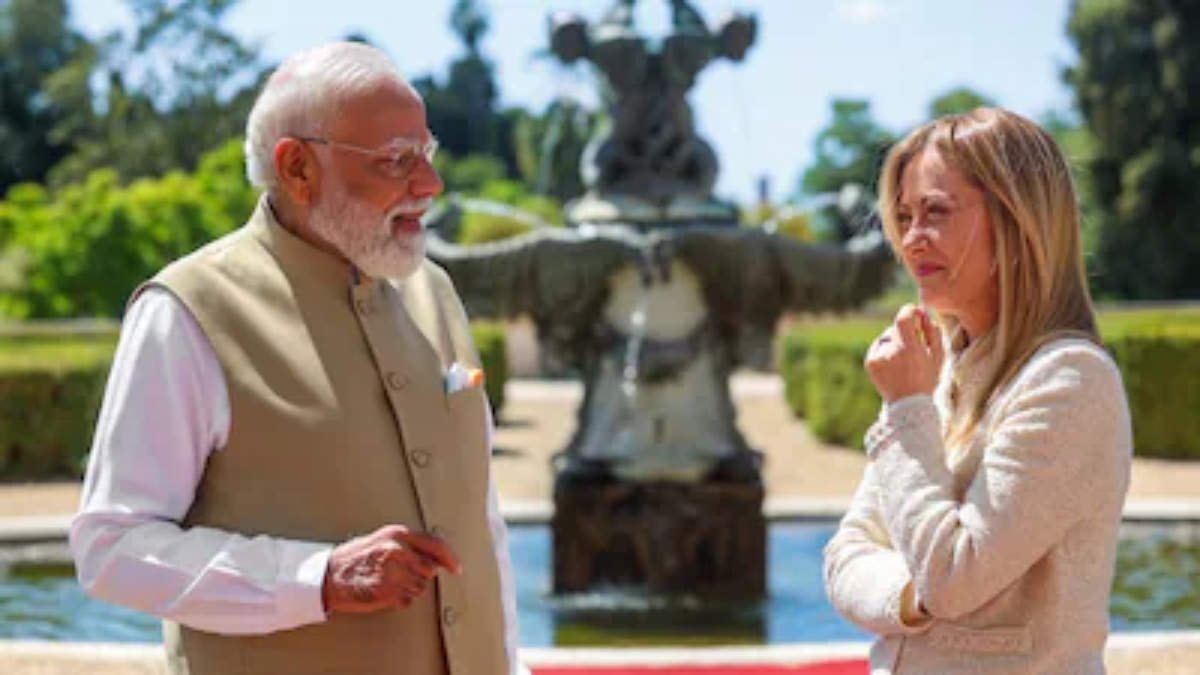
New Delhi, May 28, 2026: In the age of digital-first diplomacy, a single click on a smartphone can trigger a global media frenzy. Recently, social media platforms erupted with a sensational claim: Italian Prime Minister Giorgia Meloni had abruptly “unfollowed” Indian Prime Minister Narendra Modi on Instagram. The rumor spread like wildfire, capturing the attention of millions of internet users, sparking endless political debates, and generating countless memes. This digital meltdown came right on the heels of a highly publicized, warm bilateral meeting between the two leaders in Rome, where PM Modi even gifted Meloni a packet of iconic Indian “Melody” toffees.
Given the massive public interest and the sheer volume of speculative reports floating across the internet, it is time to cut through the digital noise. Did Giorgia Meloni actually unfollow PM Modi, or is this entire episode a classic case of social media misinformation? Here is an in-depth, updated look at the absolute truth behind the viral controversy.
The Origin of the Meltdown: From ‘Melody’ Toffees to a Digital Storm
The backdrop to this internet drama was anything but hostile. PM Modi recently concluded a high-profile visit to Italy as part of a five-nation tour. During his time in Rome, the diplomatic engagement took an incredibly light-hearted and viral turn. In a nod to the wildly popular internet moniker “Melodi” (a blend of Meloni and Modi created by netizens), PM Modi presented the Italian Prime Minister with a packet of Parle’s Melody toffees near the historic Colosseum.
Meloni enthusiastically leaned into the joke. She posted a cheerful video reel on her official Instagram and X accounts, showing off the gift and playfully quoting the iconic Indian advertising slogan, stating that Prime Minister Modi had brought her a “very, very good toffee—Melody.”
The video instantly exploded online, gaining millions of views within hours. It triggered an unprecedented surge in real-world demand, causing Melody toffees to go completely “out of stock” on Indian quick-commerce apps like Blinkit and Zepto. Even the Indian stock market felt a minor tremor, as eager retail investors accidentally pumped money into unrelated stocks due to the viral hype.
However, within forty-eight hours, the internet’s celebratory mood took a sharp U-turn. Rumors began circulating on X (formerly Twitter) and YouTube that Meloni had suddenly removed PM Modi from her Instagram “Following” list. In an era where a digital unfollow is interpreted as the ultimate sign of a personal or diplomatic rift, mainstream commentators and casual users alike began speculating whether the “Melodi” friendship had suffered a sudden, dramatic collapse.
Fact-Check: Did Meloni Actually Unfollow PM Modi?
To understand the truth, we must look closely at how these global leaders manage their digital footprints. When the rumor hit its peak, digital sleuths and fact-checkers immediately went to work, analyzing the official Instagram handles of both prime ministers.
The investigation revealed a crucial piece of evidence that completely dismantles the viral controversy: Italian PM Giorgia Meloni was never following PM Narendra Modi’s official handle on Instagram in the first place.
On Instagram, Giorgia Meloni maintains a highly curated account with over 3.3 million followers, but she follows fewer than a hundred specific accounts—mostly consisting of Italian government officials, local political party accounts, and domestic institutional pages. While she has frequently tagged PM Modi in her posts, uploaded joint selfies, and interacted with his content, she had never officially hit the “Follow” button on his Instagram profile.
Therefore, the narrative that she actively “unfollowed” him following a disagreement or a change of heart is entirely fabricated. You cannot unfollow an account you were never following to begin with. The entire “meltdown” was built on a false premise, weaponized by internet users who mistook her standard following list for a sudden diplomatic snub.
Understanding the Tech Side: Why Modi Doesn’t Follow Back Either
On the other side of the digital equation, Prime Minister Narendra Modi commands one of the largest social media audiences in the world. On Instagram, his follower count recently crossed the massive milestone of 100 million (10 crore) followers, making him the most-followed world leader on the platform.
Despite his massive reach, PM Modi’s Instagram strategy follows a very strict protocol: he follows exactly zero accounts. A quick glance at his official profile shows that his “Following” count stands firmly at zero. He does not follow foreign heads of state, Indian cabinet ministers, or official government portals on this specific platform.
Because neither leader formally follows the other on Instagram as part of their standard social media policy, looking at their “Following” tabs to judge the health of India-Italy relations is fundamentally flawed.
The Illusion of “Reel Diplomacy”
This entire episode highlights a fascinating modern phenomenon: the “reelification” of international relations. Today, complex foreign policy, trade agreements, and defense pacts are often reduced to short-form video clips, background music, and parasocial dynamics engineered by algorithms.
While the internet was obsessing over Instagram follower lists and chocolate boxes, the actual diplomatic achievements of the Rome summit were highly substantial. During the visit, India and Italy officially agreed to elevate their bilateral ties to a Special Strategic Partnership.
The Final Verdict: Safe and Sound
The widespread rumors suggesting a social media fallout between Italian PM Giorgia Meloni and Indian PM Narendra Modi are entirely false and baseless. The narrative was born out of a misunderstanding of how world leaders manage their official social media curation.
Far from a digital cold war, the personal rapport and strategic alliance between the two leaders remain robust. The viral “Melodi” trend continues to be a potent tool for soft-power diplomacy, proving that while rumors can travel halfway around the world before the truth can put its boots on, a solid strategic partnership isn’t easily shaken by an internet hoax.