

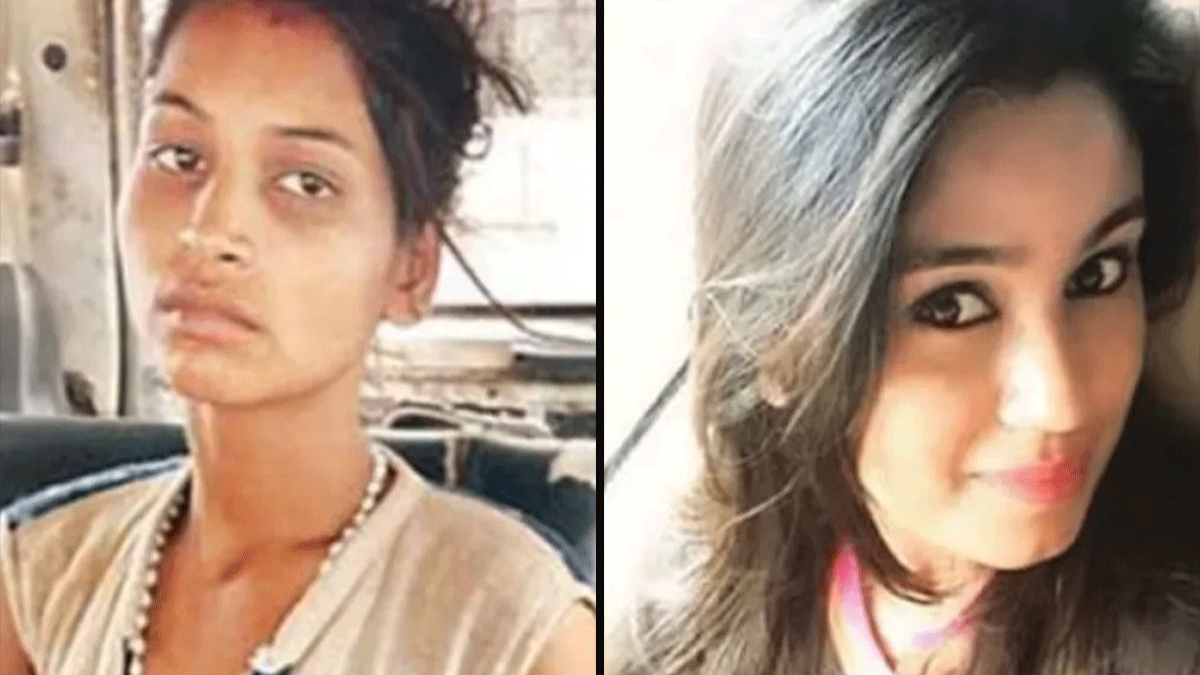
New Delhi, May 30, 2026: The glitz and glamour of show business often mask a harsh, unpredictable reality. While the spotlight elevates a chosen few to monumental fame, the descent into obscurity can be both rapid and unforgiving. The heartbreaking narrative of former regional film actress Mitali Sharma remains one of the most poignant cautionary tales of Mumbai’s entertainment industry. Her journey from being a sought-after face in regional cinema to being found destitute on the streets underscores the fragile nature of fame, the lack of institutional safety nets for artists, and the pressing need for systemic mental health support.
From the Spotlight to the Sidewalks
Originally hailing from Delhi, Mitali Sharma harbored deep-reaching aspirations of making it big in the entertainment world. Driven by her passion, she chose to pursue her dreams against the wishes of her family, eventually moving to Mumbai to establish herself as an actress. Her early endeavors showed significant promise. She secured modeling contracts and successfully entered the regional film industry, notably acting in Bhojpuri films where she began gaining traction and attention from local directors and producers.
However, the entertainment industry is notoriously volatile. After an initial wave of success, a string of box office failures stalled her momentum. In an industry where a person is often only as successful as their last project, the job offers rapidly dwindled. The financial strain of maintaining a life in Mumbai without a steady income quickly mounted. Compounding her professional struggles was a profound sense of isolation. Having broken ties with her family to pursue her career, she lacked a familial support system to lean on during her darkest professional hours.
The Sudden Descent and Arrest
The compounding pressures of unemployment, severe financial distress, and absolute isolation took a devastating toll on Mitali’s mental health. Sinking deep into depression and suffering from a severe mental breakdown, she disappeared from the fringes of the industry.
Years later, her reality had transformed dramatically. Passersby and local authorities in Mumbai’s affluent Lokhandwala and Oshiwara neighborhoods reported seeing a young woman begging for food and wandering the streets in a highly disheveled and visibly disoriented state. The shocking contrast between her past as an aspiring star and her present reality came to a head when she was caught attempting to break into a vehicle to steal items.
When the Oshiwara police arrived at the scene, the situation escalated. Suffering from acute mental distress, Mitali exhibited aggressive behavior, reportedly biting and assaulting the female police officers who tried to intervene and restrain her. It was only after she was taken into custody that authorities piece together her identity, realizing that the destitute woman before them was once an actress with a promising future.
Institutional Intervention and Rehabilitation
Recognizing that her actions were the direct result of a profound mental health crisis rather than criminal intent, the Mumbai Police shifted their approach from law enforcement to humanitarian rescue. After undergoing a preliminary medical evaluation, she was moved under court orders to a mental health facility in Thane for immediate psychiatric care and long-term rehabilitation.
Psychiatrists treating her noted that her condition was exacerbated by a complete lack of human connection. The emotional trauma of sudden career failure, combined with the guilt and loneliness of being estranged from her family, had pushed her into a state of psychosis. During her initial time at the facility, she remained highly unresponsive, refusing food and requiring continuous medical supervision.
Where Things Stand Today
The tragic trajectory of Mitali Sharma routinely resurfaces in discussions surrounding the darker side of show business. While her initial rescue made national headlines, her subsequent path to recovery has been kept strictly confidential to protect her privacy and dignity.
Medical professionals and social workers involved in similar high-profile destitution cases emphasize that rehabilitation from severe mental breakdowns is a slow, multi-year process. True recovery requires stable medical treatment, occupational therapy, and, most importantly, social reintegration. Unfortunately, case updates indicate that her immediate family has remained detached, meaning her recovery has relied entirely on state medical facilities and non-governmental organizations (NGOs) specializing in mental health advocacy.
Her story is far from isolated. The Indian film industry has witnessed several such tragic falls from grace—from Parveen Babi’s isolated battle with schizophrenia to former model Geetanjali Nagpal, who was similarly discovered begging on the streets of Delhi in the mid-2000s.
Mitali Sharma’s story serves as a stark reminder that behind the flashing cameras and red carpets lies a high-stakes ecosystem that can easily break those who fall through its cracks. It highlights the critical importance of de-stigmatizing mental health struggles and calls upon entertainment guilds and associations to establish robust support systems for artists navigating the precarious highs and lows of creative professions.