

New Delhi, June 12, 2026: In a major move to address years of commuter frustration, Union Railway Minister Ashwini Vaishnaw has officially announced that a completely redesigned, ultra-fast Indian Railway Catering and Tourism Corporation (IRCTC) website will be launched by July 15, 2026.
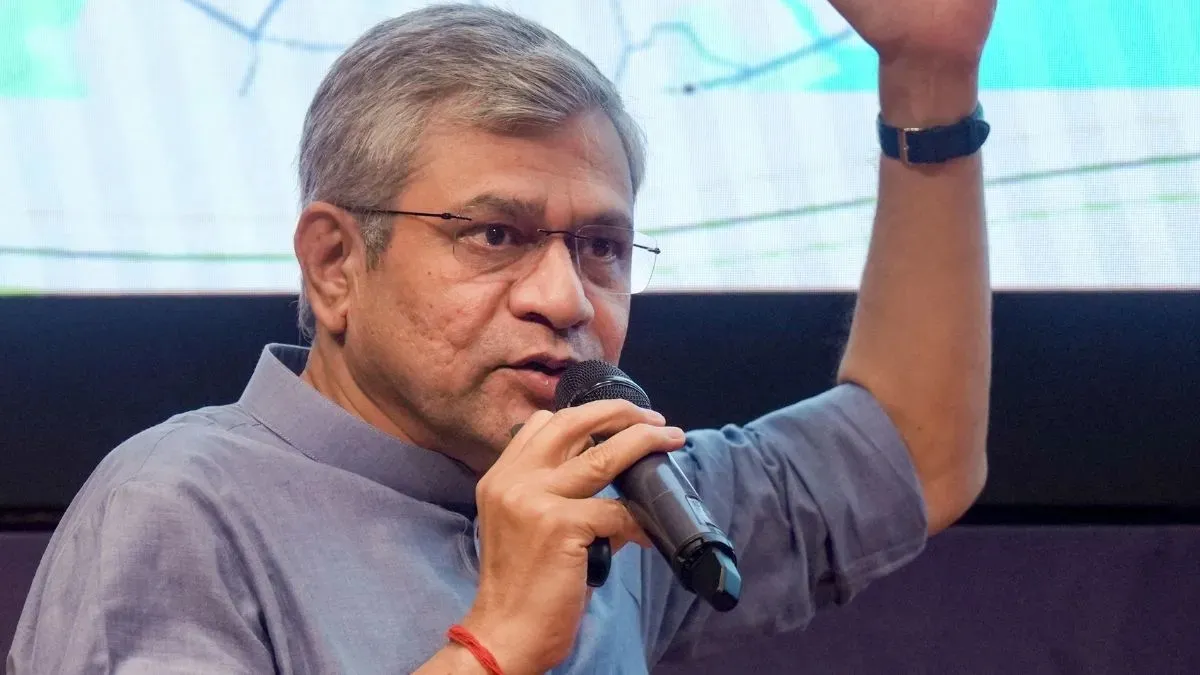
The dramatic announcement unfolded during an interactive session at the Malaviya National Institute of Technology (MNIT) in Jaipur. When students raised complaints about persistent lagging, tedious CAPTCHA verification loops, and regular website crashes during high-stakes Tatkal windows, the minister responded immediately. On the spot, Vaishnaw dialed senior railway and IRCTC tech officials, directing them to overhaul the portal within a strict 30-day window.
This upcoming portal is not just a cosmetic makeover; it is a structural revolution tied to a massive modernization of the central Passenger Reservation System (PRS). With nearly 88% of train tickets in India booked online, the government is introducing heavy-duty digital upgrades designed to put an end to booking-hour anxiety.
Massive Tech Muscle: No More Tatkal Crashes
The current IRCTC platform often buckles under peak traffic, handling roughly 25,000 to 32,000 ticket bookings per minute. When the clock strikes 10:00 AM or 11:00 AM for daily Tatkal reservations, millions of users hitting the servers simultaneously cause agonizing slowdowns and abrupt logouts.
The upcoming portal completely rewrites this capacity framework. Built on modern, scalable digital architecture, the backend is being engineered to support over 1.5 lakh (150,000) ticket bookings per minute—a stunning five-fold increase. Furthermore, the website’s capacity to handle general queries and search traffic will see a ten-fold jump, skyrocketing from 4 lakh enquiries to a staggering 40 lakh enquiries per minute. For travelers, this means fluid loading times, zero page freezes, and instantaneous page transitions, even during peak rush hours.
Revolutionizing the User Interface: CAPTCHAs, AI, and Seat Choices
Beyond raw speed, the core layout of the platform is being built around passenger ease. One of the biggest pain points being tackled is the infamous CAPTCHA system. Over-complicated security checks that repeatedly fail or expire will be replaced by smarter, faster authentication filters that verify human users smoothly without ruining their booking speed.
Indian Railways is also addressing a long-standing demand: a transparent seat choice feature. While passengers could previously check preferences like lower or upper berths, the revamped website intends to give users a much clearer visual handle on seat selection during the booking loop. This feature operates alongside an intuitive fare calendar, allowing budget-conscious passengers to view prices across multiple dates at a single glance, making it significantly simpler to plan cost-effective journeys.
Furthermore, integrating advanced AI capabilities into the system will provide data-backed predictions for waitlisted tickets. Passengers will be able to see highly accurate confirmation probabilities, allowing them to make informed choices about whether to finalize a waitlisted booking or look for alternative trains.
Curbing Illegal Agents and Enhancing Security
A major reason why ordinary citizens struggle to secure tickets during holiday seasons is the interference of illegal ticketing agents utilizing automated booking bots. To level the playing field, Indian Railways has introduced a stringent security policy. Moving forward, the platform mandates the use of Aadhaar-verified IRCTC User IDs for booking both Tatkal and emergency quota tickets.
This verification layer acts as a digital shield against malicious bot scripts and bulk automated bookings. By enforcing real-identity verification, the government ensures that genuine individual passengers get prime access to seat inventories before third-party commercial software can snatch them up. This security push follows an intense clean-up operation where the government aggressively deactivated over 2.5 crore inactive or suspicious user profiles.
Inclusive, Multilingual, and Ecosystem-Wide Integration
Recognizing the immense linguistic diversity of Indian rail travelers, the upgraded IRCTC website will debut with a deeply optimized multilingual platform. Users will be able to navigate, search, and execute end-to-end payments in multiple regional languages without facing broken translation links or layout errors. The portal also features integrated accessible layouts dedicated to Divyangjan (differently-abled citizens), students, and medical patients, helping ensure that discounted quotas and specialized physical assistances can be claimed cleanly online.
The web-based upgrade acts in perfect harmony with the Indian Railways’ recently deployed “RailOne” super app. While reserved long-distance tickets remain the hallmark of the IRCTC website, the ecosystem is built for all-inclusive convenience. Travelers can transition seamlessly between platforms using universal mPIN and biometric logins. A quick look across the broader system reveals just how unified the travel experience is becoming:
The Road Ahead for Indian Rail Tech
The upcoming launch on July 15 represents a massive milestone in India’s quest to completely digitalize its public infrastructure. By combining extreme server throughput with a user-first layout, the Ministry of Railways aims to turn a notoriously stressful booking process into a relaxed, minute-long task.
As the new website rolls out next month and old trains systematically transition to the advanced backend infrastructure, the days of staring at spinning loading wheels while watching your desired seats vanish into thin air will finally become a thing of the past.