

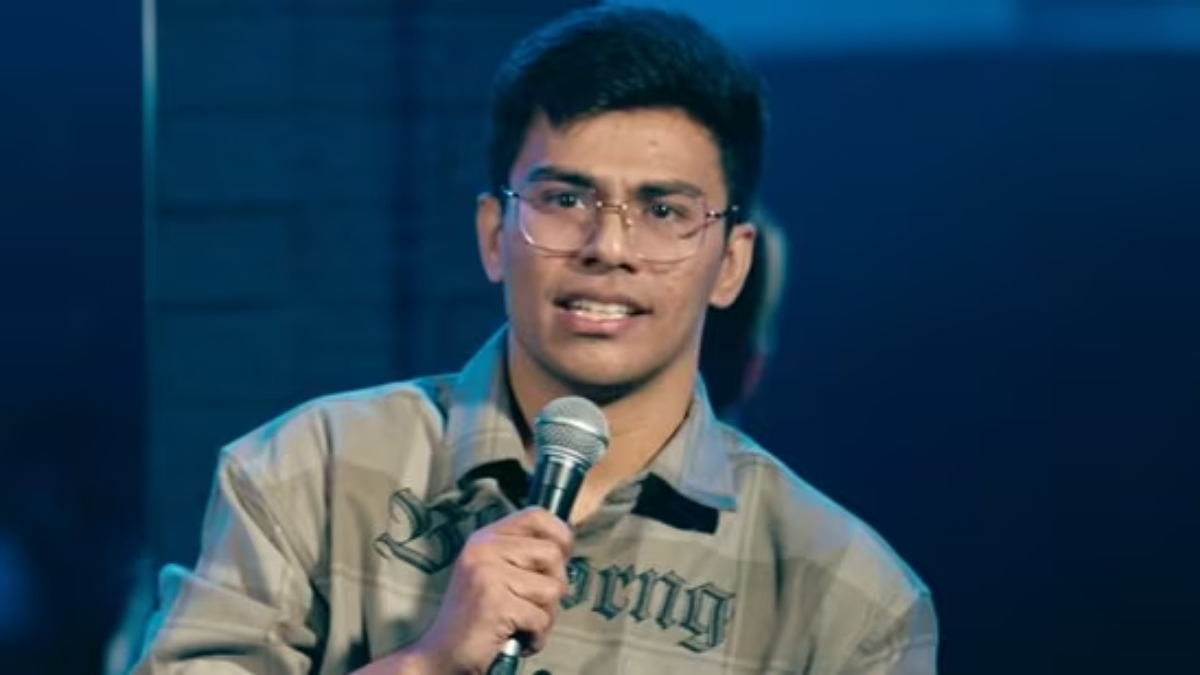
New Delhi, June 15, 2026: An intense nationwide debate about the ethical boundaries of stand-up comedy has been reignited after Delhi-based comedian Madhur Virli issued a formal public apology on his YouTube channel. The apology followed a massive wave of public anger and calls for legal action over a resurfaced clip from his 2024 stand-up special, Love & Latex. In the viral video, Virli was seen making highly controversial and graphic jokes regarding sexual assault and murder.
The backlash against Virli did not happen in a vacuum; it gained momentum right on the heels of another major controversy involving fellow comedian Pranit More’s live show in Gurugram, commonly known as the “Rs 370 Biryani” incident. Together, these two back-to-back incidents have placed the entire Indian stand-up community under heavy scrutiny, with audiences, critics, and activists demanding higher accountability from artists who use sensitive real-world trauma for cheap shock value on stage.
The Resurfaced Clip and Public Backlash
The video that triggered the immense backlash features Madhur Virli discussing rape cases during a live comedy performance. In the routine, Virli attempts to explain a hypothetical scenario of why a perpetrator might choose to murder a victim after committing an assault. He made a graphic comparison, suggesting that out of ten cases, a murder happens because a victim might look at the offender afterwards and ask to “cuddle,” prompting the attacker to use a knife instead. The routine also included highly insensitive remarks comparing the trauma of survivors to the silence of victims who lost their lives.
As the old footage began circulating widely on platforms like X (formerly Twitter) and Instagram, the public reaction was swift and unforgiving. Netizens universally condemned the set, labeling it disgusting, deeply insensitive, and harmful. Many pointed out that making light of extreme physical violence and sexual trauma completely crosses the line of “dark humor” and instead normalizes severe misogyny.
Significant criticism was also aimed at the audience members visible in the video, who could be seen laughing and clapping along to the routine. Social media users expressed horror that such graphic content could be met with applause, questioning the broader cultural tolerance for jokes that trivialize heinous crimes against women.
Madhur Virli’s Public Apology
Faced with a rapidly growing storm of criticism and demands for police intervention, Madhur Virli broke his silence by posting a written text statement on his official YouTube channel. In his message, the comedian stated that he was “genuinely sorry” and wanted to clear the air regarding the origin of the video and his current stance on the material.
Virli also addressed the fact that his Instagram account was unavailable, clarifying that he had voluntarily deactivated the profile roughly six months prior to this controversy for personal reasons, meaning the move was completely unrelated to the recent internet backlash.
Despite his explanation that he had recognized the error of his ways two years ago and deleted the original video, the public response to his apology has been deeply divided. While some individuals felt that acknowledging the mistake and pulling the video years ago showed a level of accountability, a vast majority of netizens argued that the apology was merely a damage-control tactic triggered only because the clip went viral again.
The Connection to the “Rs 370 Biryani” Row
The outrage surrounding Madhur Virli’s performance was significantly amplified because it coincided with another major controversy involving comedian Pranit More. During a recent crowd-work show hosted by More, a 23-year-old web developer named Himanshu Jangra shared a story about going on a date with a woman and spending Rs 370 on biryani. Jangra boasted on the microphone about how he tried to force physical intimacy with the woman to “recover the cost” of the meal because she wanted to leave early.
Instead of shutting down the inappropriate comments, Pranit More and the live audience laughed, and More even handed the man a cash prize of Rs 5,000 as a reward for the interaction. The internet exploded in anger over the normalization of harassment, leading to Jangra being fired from his job and More issuing a lengthy video apology admitting he “deserved the hate” for getting carried away and failing to take a stand.
Because the internet was already actively discussing the lack of ethics and basic moral boundaries in the comedy scene due to More’s show, Virli’s old video acted as fuel to an already raging fire. The overlapping controversies have forced a mainstream conversation regarding where freedom of expression ends and the trivialization of criminal behavior begins.
Anatomy of the Controversy
To understand how these events unfolded and how they compare, the core details of both recent controversies show a clear pattern of shifting digital accountability in the entertainment industry.
The Broader Impact on Indian Stand-Up Comedy
Madhur Virli’s background makes the situation particularly disappointing to many of his long-time followers. An alumnus of the prestigious IIT Delhi, Virli walked away from a conventional corporate engineering path to chase comedy full-time after finding success at college cultural festivals. Known generally for his sharp writing on middle-class life, mental health struggles, and student survival, his sudden association with such crude and violent material left many fans blindsided.
This incident marks a turning point for the comedy industry in India. Over the last few years, several Indian comedians have faced severe pushback for jokes touching on politics, religion, and social dynamics. However, the current wave of backlash is distinctly focused on human empathy and basic dignity. Activists and regular viewers alike are arguing that utilizing trauma, sexual violence, and systemic abuse against women as a punchline isn’t “edgy” or “brave”—it is simply lazy writing that relies on shock value rather than genuine comedic skill.
As digital platforms make older performances permanently accessible, comedians are learning that past material can return to define their present careers. Moving forward, the comedy circuit faces the tough challenge of balancing creative freedom with social responsibility, ensuring that the pursuit of laughter doesn’t come at the expense of a victim’s pain.