

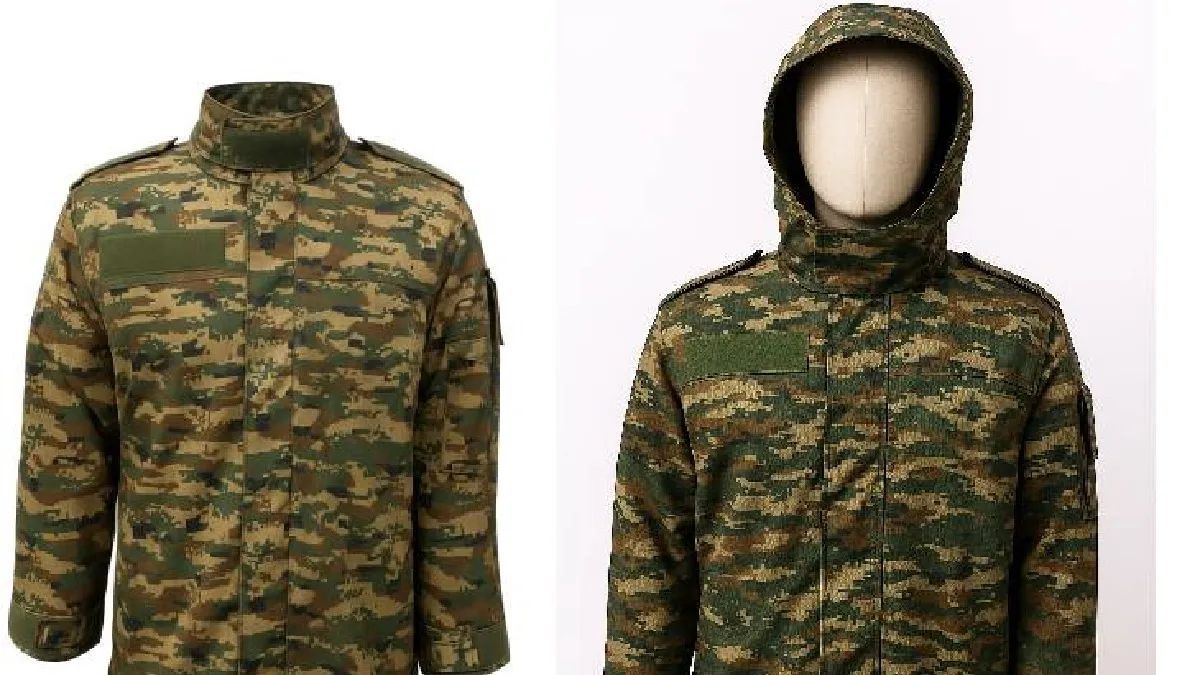
New Delhi, June 17, 2026: In a landmark overhaul aimed at shedding residual colonial-era legacies, the Indian Army has issued a comprehensive new manual titled “Army Uniforms-2026.” Released eight years after the previous regulations, this 174-page directive introduces sweeping reforms to official military attire, ceremonial traditions, and grooming standards across all ranks.
The primary objective of the revised policy is to align military protocols with a contemporary Indian ethos and national identity, while preserving the core values of discipline and operational readiness. By removing archaic British-era accoutrements and terminology, the Army is transitioning toward a distinctively indigenous and modernized look.
The Introduction of Indigenous Attire: Bandi Jackets
Among the most prominent changes detailed in the new manual is the authorization of the traditional Bandi jacket for formal civilian and official dress. For the first time, officers are permitted to wear this closed-neck, indigenous jacket over full-sleeved shirts at official gatherings, state functions, and formal receptions.
The regulations stipulate that the Bandi jacket must be of a solid, sober color, worn with matching formal trousers and closed footwear. Officers have the flexibility to wear it with or without a neck-hook fastening. This inclusion provides an elegant, culturally rooted alternative to Western-inspired formal attire like lounge suits or combinations, signaling a deliberate stride toward structural indigenisation.
Standardizing Winter Wear: Dress 3B
Alongside changes to formal civilian attire, the Army has overhauled standard winter apparel for all personnel. A new winter uniform designated as Winter Dress No. 3B has been introduced for all ranks. This outfit features:
- An Angola shirt
- A newly designed Battle Jacket
- A standard Beret
This modern setup will replace older jersey-based winter garments. To ensure a smooth logistics rollout, the transition to the new winter gear will be implemented progressively, with full adoption mandated across the entire force by June 2029.
Stripping Colonial Traditions and Ceremonial Practices
The updated manual takes direct aim at archaic customs rooted in India’s colonial past. Following directives from the leadership to eliminate imperial vestiges, the Army has discontinued the use of ceremonial pouch belts from Mess Dress No. 5 and Mess Dress No. 6. These specific uniforms are typically reserved for prestigious state occasions at locations like the Rashtrapati Bhavan, or formal banquets hosted in honor of visiting foreign dignitaries.
While certain combat and specialized regiments—such as the armored corps, mechanized infantry, and artillery—retain localized ceremonial permissions for regimental events, the standard enforcement removes the pouch belt globally. Furthermore, reviewing officers on parade are no longer strictly required to carry swords, rendering the practice entirely optional based on the event’s specific nature. Outdated imperial terminology, including historical references like the word “Royal,” has also been thoroughly expunged from all official dress manuals.
Tightened Grooming Standards: The 12-cm Moustache Cap
Beyond fabrics, buttons, and tailoring, the Army Uniforms-2026 guidelines enforce hyper-specific personal appearance standards to ensure absolute uniformity across the ranks. Among the updated facial hair guidelines, moustaches remain permissible but are now strictly regulated.
The guidelines underscore that grooming is vital to professional military carriage. Personnel are explicitly barred from sporting radical or trendy hairstyles, visible body tattoos, and unauthorized piercings. Interestingly, the use of perfumes and deodorants while in uniform has been completely restricted to ensure neutrality, though standard aftershave lotions remain authorized.
Strict Guidelines on Personal Aesthetics and Religious Symbols
The manual maintains a strict stance on personal adornments and religious symbols to project a cohesive, secular, and professional institutional front. Wearing any type of bracelet while in uniform is generally banned, with the sole exception being a single sacred thread permitted temporarily on the specific day of a religious ritual (pooja).
Religious markings and non-authorized accessories are prohibited across ranks. Sikh personnel continue to receive standard, long-standing exemptions regarding uncut hair, beards, and the mandatory wearing of turbans, respecting constitutional protections and deep-seated martial heritage.
For women personnel, the manual outlines refined formal options alongside strict cosmetic restrictions. Women officers are authorized to wear sober-colored sarees or specified kurta-salwar combinations featuring ankle-length straight trousers and a dupatta during official functions. However, casual or modern cuts—such as sleeveless kurtas, palazzos, or cigarette pants—are strictly prohibited. While in uniform, women are barred from using cosmetics like lipstick, colored nail polish, prominent face bindis, or nose pins. The application of sindoor (vermillion) is permitted for married personnel, provided it remains completely concealed beneath the military beret or peak cap.
Reinforcing Public Conduct and Discipline
In tandem with the physical transformation of the uniform, the Army has reinforced strict behavioral boundaries for personnel while wearing official attire. Under the updated protocols, military personnel are explicitly prohibited from attending political rallies, public protests, or private social gatherings like weddings and religious events in uniform unless officially authorized. Furthermore, appearances on commercial media platforms or private broadcasting without prior departmental clearance are strictly barred.
These regulatory updates symbolize a profound shift in how the Indian Army seeks to project its modern identity. By synthesizing cultural elements like the Bandi jacket with highly streamlined grooming standards and the systematic elimination of British-era remnants, the force has successfully cultivated a sovereign ethos that respects indigenous identity without compromising on the rigid discipline, functional utility, and prestige demanded of the armed services.
For a visual breakdown of how these changes are being adopted and to see details on the updated rules, you can watch this report on the Indian Army’s New Dress Code and Grooming Guidelines, which outlines the transition away from colonial-era traditions.