

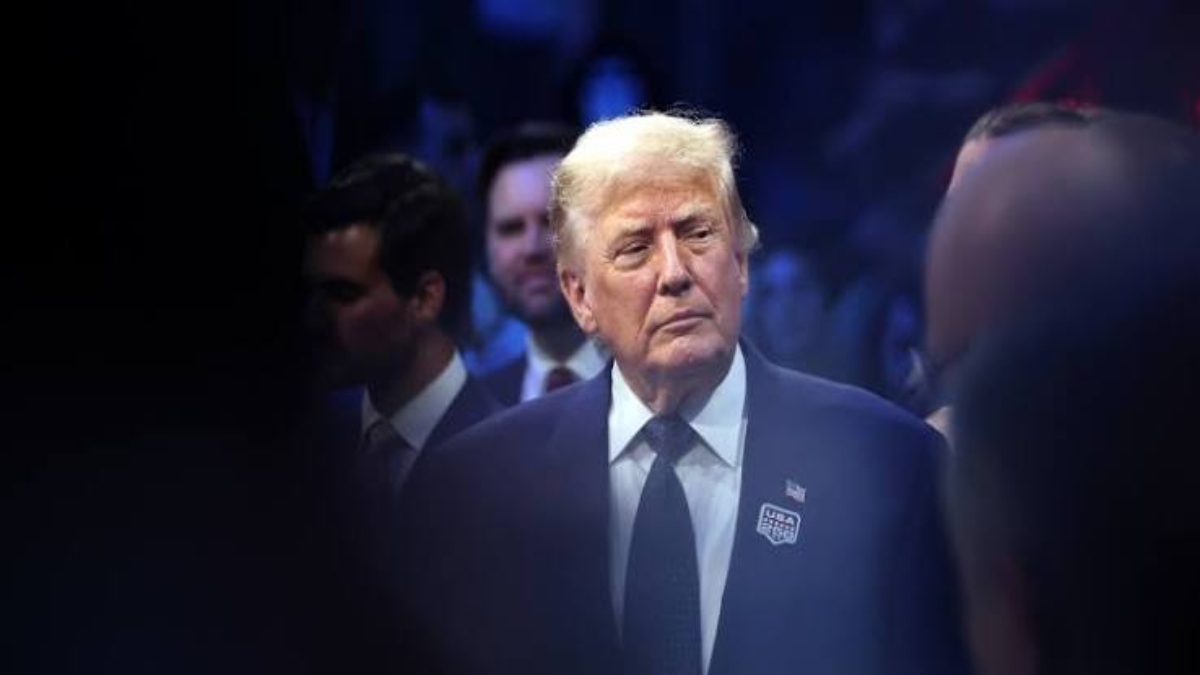
The Middle East stands at an extraordinary turning point. Following three and a half months of devastating, direct military conflict that upended global energy markets and brought the world to the edge of an economic cliff, the United States and Iran have announced a major breakthrough. On June 14, 2026, U.S. President Donald Trump and Pakistani mediators revealed a comprehensive framework aimed at ending the 2026 Iran War. The memorandum of understanding (MOU), scheduled to be formally signed on June 19 at the Bürgenstock resort in Switzerland, establishes an immediate 60-day ceasefire, the lifting of the U.S. naval blockade, and the unconditional reopening of the critical Strait of Hormuz.
Yet, as global oil prices drop in relief and diplomats prepare their pens for Switzerland, the reality of this accord is defined less by absolute victory and more by the stark limits of American hard power. For all its military dominance, Washington has been forced to accept a compromise that leaves the region’s thorniest underlying issues dangerously unresolved. This deal is not a permanent peace treaty; it is a high-stakes pause that exposes the boundaries of what sheer military force can actually achieve.
The Costs of a Brutal Campaign
To understand how the two nations arrived at this fragile agreement, one must look back to the outbreak of the war on February 28, 2026. Code-named Operation Epic Fury, a massive joint U.S.-Israeli aerial campaign launched nearly 900 strikes in a matter of hours, aiming to permanently dismantle Iran’s military infrastructure and leadership. The opening salvo shattered the Iranian regime by killing Supreme Leader Ali Khamenei, alongside dozens of top officials.
However, the assumption that decapitating Iran’s leadership would yield an unconditional surrender proved to be a profound miscalculation. Instead of collapsing, the fragmented Iranian regime retaliated with fierce asymmetrical warfare. Tehran launched hundreds of ballistic missiles and thousands of drones at U.S. bases, embassies, and regional oil infrastructure. More critically, Iran choked off the Strait of Hormuz—the vital maritime chokepoint through which 20% of the world’s petroleum passes. Within weeks, global shipping ground to a halt, and soaring energy and grocery prices squeezed households worldwide, threatening global economic stability and creating immense domestic political pressure for the White House ahead of the upcoming U.S. midterm elections.
Inside the Framework: What Was Agreed
The newly announced framework is essentially a grand transaction: economic relief for maritime and military de-escalation. Under the terms brokered by Pakistan and Qatar, the deal addresses the immediate triggers of the global economic crisis rather than a permanent resolution to the geopolitical rivalry.
The Nuclear Dilemma and the 60-Day Clock
While the reopening of the Strait of Hormuz provides an immediate lifeline to the global economy, the underlying driver of the conflict—Iran’s nuclear ambitions—remains entirely unsettled. The 60-day ceasefire window is intended to buy time for technical negotiations on the future of Iran’s nuclear file, but the gap between Washington and Tehran remains vast.
Washington’s stated goal is the complete and permanent dismantlement of Iran’s enrichment capabilities, with U.S. negotiators pushing for a strict 20-year freeze on all nuclear research. Iran, despite its heavily degraded conventional military and a gripping domestic economic crisis, has fiercely resisted these terms. Iranian negotiators, led by Foreign Minister Abbas Araghchi, have signaled they will not accept an enrichment pause exceeding 10 years and have firmly rejected demands to ship their enriched uranium stockpiles out of the country. Instead, Tehran has proposed diluting its highly enriched materials within its own borders under renewed UN watchdog (IAEA) inspections. Because the draft agreement allows Iran to preserve its physical nuclear sites for now, critics argue that the deal merely hits the pause button on a bomb that could be assembled later.
The Regional Fracture: The Lebanon Wildcard
The most immediate threat to this delicate peace structure lies not in Geneva or Tehran, but in the hills of southern Lebanon. Throughout the mediation process, Iranian officials have insisted that a comprehensive end to the war must include a total cessation of hostilities on the Israel-Hezbollah front and an Israeli military withdrawal from southern Lebanon.
This has exposed a significant rift between Washington and its closest regional ally, Israel. Israeli Prime Minister Benjamin Netanyahu has explicitly rejected the notion that Israel is bound by the U.S.-Iran MOU. While President Trump has publicly urged restraint—openly criticizing Netanyahu for launching continued airstrikes in Beirut on the eve of diplomatic announcements—Israel maintains that it must retain absolute operational freedom to neutralize Hezbollah. Even as the U.S. and Iran declare a ceasefire, Israeli drones and Hezbollah rockets continue to cross the Lebanese border. If this secondary front explodes into a full-scale war, it could easily drag U.S. naval assets back into the conflict, tearing the Swiss peace accord to shreds before the ink is even dry.
The Reality of American Power
Ultimately, the U.S.-Iran agreement highlights the profound limits of modern military intervention. Operation Epic Fury demonstrated that the United States possesses the unmatched ability to destroy hardened military targets and eliminate foreign heads of state. Yet, it also proved that hard power cannot seamlessly dictate political outcomes or guarantee absolute security.
Washington could bomb Iran’s bases, but it could not insulate the global economy from the asymmetric retaliation that followed. It could force Tehran to the negotiating table, but it could not force a proud regional power into an unconditional surrender. As the world watches the delegates travel to Switzerland, the prevailing sentiment is one of cautious relief rather than triumph. The war may be halting, but the deep-seated ideological, nuclear, and regional rivalries that started it remain entirely intact, waiting to see what happens when the 60-day clock runs out.