
)
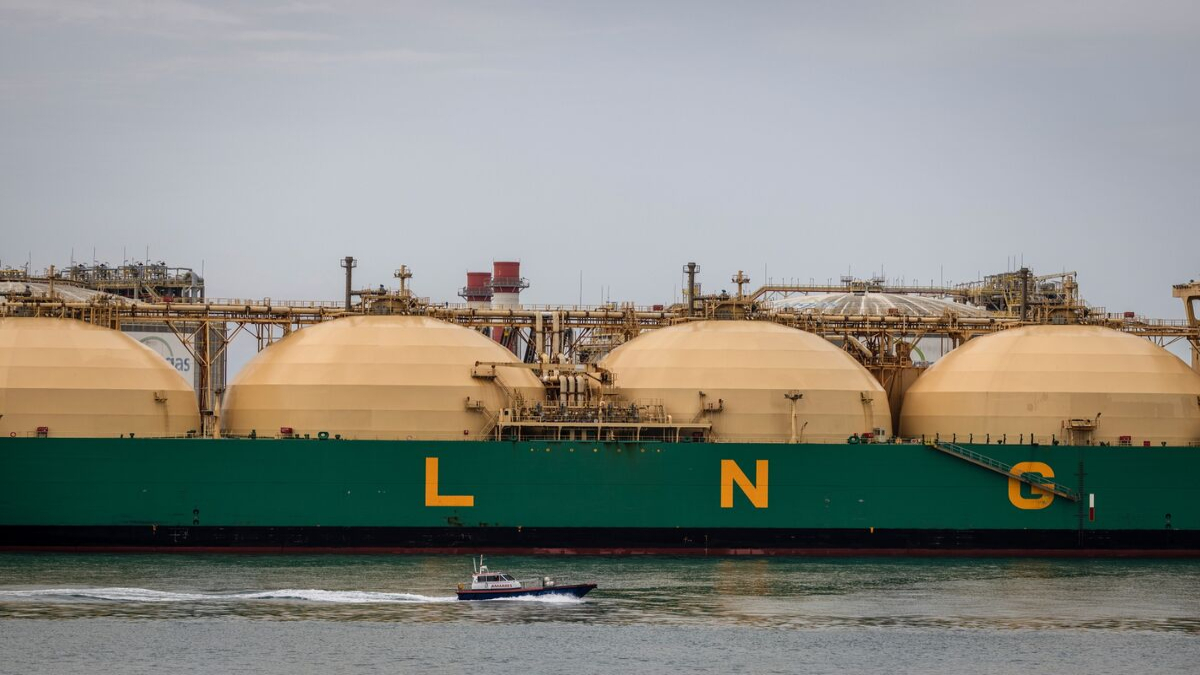
New Delhi, June 17, 2026 — In a major sign that regional tensions may finally be easing, Qatar is moving its massive fleet of Liquefied Natural Gas (LNG) ships back to the Middle East. The tactical repositioning comes just ahead of the anticipated reopening of the Strait of Hormuz, the world’s most critical maritime energy choke point. The strategic waterway has been effectively blocked for over three months, causing severe disruptions to global energy markets and forcing energy-dependent nations to brace for supply shortages.
Following a period of intense diplomatic back-and-controlling, the United States and Iran are scheduled to sign an interim peace agreement this Friday in Switzerland. This landmark memorandum of understanding (MoU) is widely expected to lift the de facto naval blockade on the Strait of Hormuz, allowing standard commercial traffic to resume safely.
For Qatar—one of the world’s largest suppliers of LNG—the reopening is an opportunity to reclaim its position at the center of global energy trade. State-owned QatarEnergy has quietly alerted global buyers that it intends to rapidly boost production and export volumes as soon as safe passage through the strait is formally guaranteed.
The Road to Recovery: A Staged Ramp-Up
While the physical return of the shipping fleet sends a strong signal to global markets, restarting the flow of gas will not happen overnight. The effective closure of the Strait of Hormuz in March, triggered by regional warfare, heavily damaged key infrastructure. Specifically, the Ras Laffan LNG complex—Qatar’s primary export hub which accounts for nearly one-fifth of the world’s total LNG supply—was hit by Iranian missile strikes that wiped out roughly 17% of its total operating capacity.
Despite these setbacks, industry insiders report that Qatar has been quietly doing the legwork to facilitate a swift operational comeback. Since April, engineers at Ras Laffan have been conducting rigorous equipment tests, carrying out essential maintenance, and running several production lines (“trains”) at a heavily reduced capacity to ensure they are primed for an immediate ramp-up.
According to internal reports shared with major trading partners, QatarEnergy has outlined an aggressive timeline to restore its export operations:
- Month 1 Following Reopening: Qatar expects to quickly scale up production to roughly 50% of its overall capacity.
- Month 2 Following Reopening: The country aims to lift production further, targeting approximately 80% of its total capacity.
- The Long-Term Picture: The remaining 20% of capacity, equivalent to two major production trains damaged in the March attacks, will require intensive engineering work. Officials estimate that fully repairing this infrastructure will cost around $26 billion and could take anywhere from three to five years to complete.
Global Markets Anticipate Relief
The news of Qatari tankers returning to their home ports has already sent ripples of relief through international energy boards. The three-month blockade of Hormuz severely strained global gas supplies, keeping fuel prices elevated in both Europe and Asia.
During the worst weeks of the conflict, Qatar resorted to occasional high-risk shipments, ordering select tankers to turn off their satellite transponders to mask their locations while slipping through the contested waters under security arrangements mediated by third-party nations like Pakistan. However, these covert voyages represented only a tiny fraction of Qatar’s normal export volume, which typically sees about three massive LNG carriers exit the Persian Gulf every single day.
The primary beneficiaries of a fully reopened strait will be Asian economies, which rely heavily on Qatari energy contracts. Data shows that Qatar’s core export exposure is deeply oriented toward Asia, with critical shares going to major industrial hubs:
A swift resumption of trade will provide vital economic relief to these nations, helping to lower electricity and manufacturing costs that spiked over the spring months.
lingering Questions and Security Realities
While political optimism is high ahead of the Friday signing in Switzerland, energy analysts and shipping companies remain deeply cautious. Shipping logistics and safety protocols will be the main initial hurdles. Bringing dozens of ultra-large LNG vessels back into the narrow gulf, coordinating loading schedules, and securing marine insurance for war-torn waters will take meticulous planning.
Furthermore, military experts warn that declaring the strait “open” on paper is very different from making it safe in reality. A senior Western defense official noted that even if a political agreement is signed on Friday, naval forces will still need to scan the shipping lanes and remove underwater naval mines before insurance companies will permit commercial vessels to sail through freely.
Additionally, political fractures remain. While U.S. leaders have expressed high confidence that trade routes will be completely unimpeded by the weekend, European allies have voiced more measured skepticism, noting that broader deep-seated diplomatic disputes between Washington and Tehran will take far longer to resolve than a few days of talks.
For now, the visible movement of Qatari LNG ships back to the Middle East offers a concrete glimmer of hope. It signals that energy producers are betting heavily on peace, positioning their assets so they can immediately fuel a global market starved of stability.