

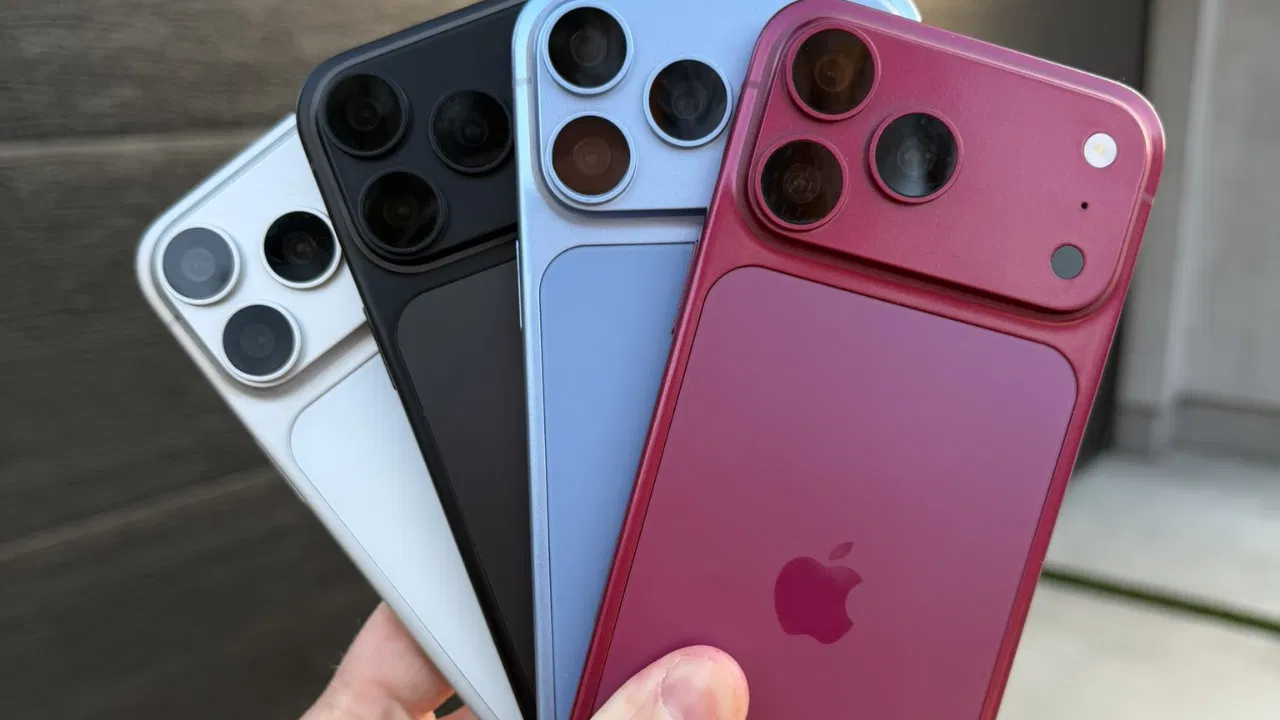
New Delhi, June 22, 2026: The tech world is abuzz with speculation regarding Apple’s next-generation flagships. While an official reveal is months away, a wave of supply-chain leaks, dummy models, and expert reports have painted a vivid picture of what to expect.
If you are wondering whether the camera layout is getting a dramatic visual makeover, the short answer is no, but it is physically growing. Apple isn’t throwing away its familiar design playbook, but major hardware breakthroughs are forcing the company to reshape the camera module to accommodate them.
The Back Design: A Thicker, Heavier “Hump”
If you were hoping for a completely flush back or a brand-new lens arrangement, you might have to temper your expectations. Leaked dummy models and schematics indicate that the iPhone 18 Pro and Pro Max will retain the familiar triple-lens triangular setup resting on a raised square glass plateau.
However, that plateau is about to become more prominent. According to recent schematics, the camera bump on the Pro Max is expected to thicken to around 11.54mm (up from 11.23mm on previous iterations). When you measure from the screen to the absolute tip of the lens rings, the entire camera region could protrude by nearly 13.77mm.
Why is Apple making the “hump” larger? It isn’t a cosmetic choice. The engineering team is hitting the physical limits of smartphone bodies. To deliver better photos, you need larger glass elements and deeper optical paths. The growing camera module is a direct compromise to fit massive upgrades under the hood.
The Front Design: A Shrinking Dynamic Island
The most noticeable design shift won’t actually be on the back of the phone—it will be on the display. Rumors suggest that Apple is finally shrinking the Dynamic Island cutout.
Industry insiders, including prominent display leakers, suggest that the Dynamic Island could become up to 35% to 50% narrower than what we’ve seen on earlier models. Reports indicate it could shrink from its traditional 20.7mm width down to around 13.5mm.
Apple is reportedly achieving this by using new camera miniaturization techniques and successfully moving several Face ID sensor components completely underneath the display glass. While a true “all-screen” iPhone with zero cutouts isn’t ready for prime time yet, this “Mini Dynamic Island” will free up valuable screen real estate, making the display look sleeker and more immersive.
Under the Hood: The “Biggest Leap” in Camera Tech
According to Bloomberg’s Mark Gurman, the internal camera hardware represents one of the most substantial leaps in the history of the Pro series. The physical redesign is entirely built around supporting two groundbreaking technical features:
1. A Variable Aperture Main Lens
For the first time in iPhone history, the primary 48-megapixel camera will feature a variable aperture. Traditional iPhones use a fixed lens aperture (permanently wide open at $f/1.78$), meaning the camera relies entirely on digital software to process light and background blur.
With a variable aperture system, the lens elements will physically open and close, just like a professional DSLR camera. This allows the phone to mechanically adjust light intake. In bright daylight, the lens can narrow to prevent overexposure and capture incredibly sharp landscapes. In low-light environments, it opens wide to swallow every bit of ambient light, drastically reducing image grain and noise without relying on artificial software smoothing.
2. Upgraded Optical Zoom and New Sensors
The telephoto and ultra-wide lenses are also getting physical modifications. Apple is testing a brighter telephoto system with a much wider lens opening, designed to pull in more light for crisp long-distance shots.
Additionally, supply chain whispers suggest Apple is breaking its long-standing exclusivity with Sony by co-developing a new three-layer stacked image sensor with Samsung. This advanced sensor stacks the pixels and processing circuitry on top of one another, resulting in faster data readout, better dynamic range, and cleaner data processing.
Fresh Finishes and Materials
To complement the adjusted camera module, Apple is planning a fresh palette of premium titanium finishes. Leaks point to a deep burgundy-inspired Dark Cherry as the new signature color of this generation, alongside options like a popular Light Blue, Silver, and a traditional near-black Dark Gray.
There are also reports that Apple is utilizing a refined manufacturing process to fuse the rear glass more seamlessly with the titanium frame. This adjustment should make the device feel smoother in the hand, minimizing the sharp edge where the back panel meets the side rail, while simultaneously improving the chassis’s corrosion resistance.
Summary of Leaked Changes
While the overall silhouette of the iPhone remains highly recognizable, the upcoming flagship is a classic case of function driving form. The camera design isn’t changing just to look different—it is expanding to transform the iPhone into a significantly more powerful, professional-grade tool for creators and photographers alike.