

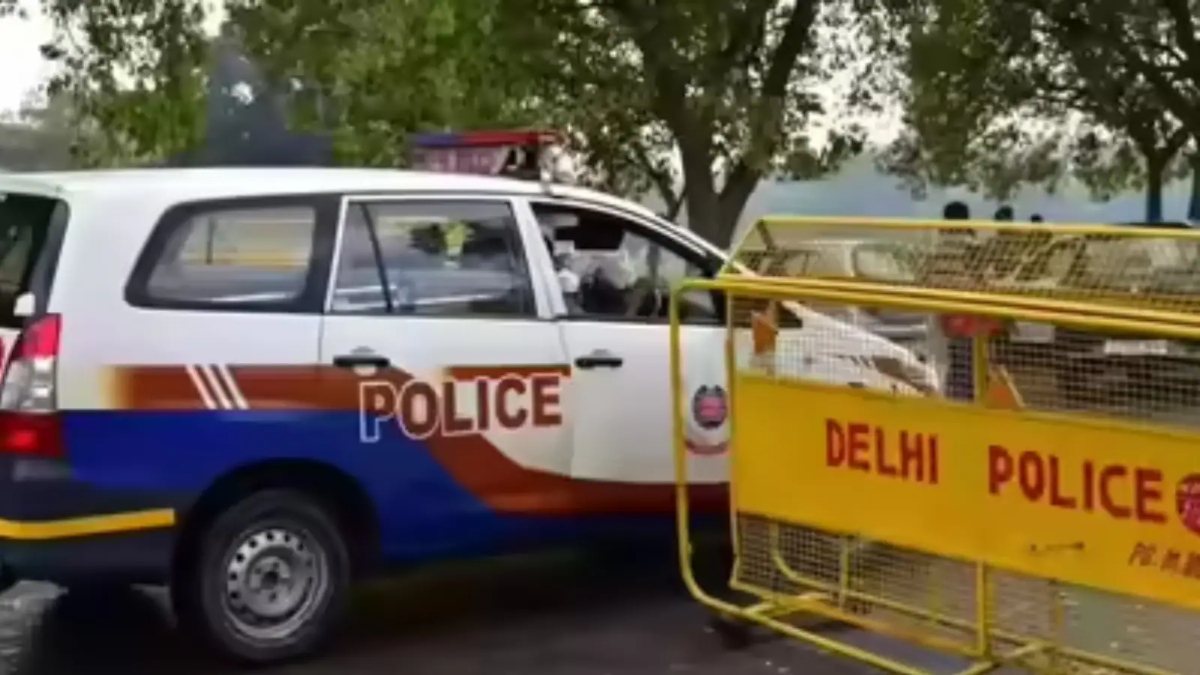
New Delhi, June 24, 2026: The national capital has been left deeply shaken by a devastating and horrific crime that underscores the continuing challenges of child safety and urban security. A 10-year-old girl was kidnapped, assaulted, and murdered in a tragic sequence of events that has sparked widespread public outrage and renewed demands for structural reforms in law enforcement and fast-tracked judicial processes.
The phrase “Papa Mujhe Bacha Lo” (Father, please save me) has echoed across media platforms as a harrowing reminder of the vulnerability of minors. Investigating authorities and community representatives are piecing together the timeline of this devastating incident, looking at how the crime occurred, the immediate response of the Delhi Police, and the growing collective demand for justice.
The Incident and the Disappearance
The tragedy began on what seemed like an ordinary afternoon in an eastern neighborhood of Delhi. The young victim, a student described by neighbors as cheerful and diligent, went missing after leaving her home for a brief routine errand. When she failed to return within the hour, her family launched an anxious search throughout the locality, scanning nearby lanes and questioning local shopkeepers.
As the hours passed without any trace of the child, the family approached the local police station to file a missing person’s report. According to family accounts, the panic escalated to absolute terror when the father received a brief, frantic phone call from an unknown number. During the seconds-long transmission, the young girl managed to cry out, “Papa mujhe bacha lo,” before the call was abruptly disconnected.
The phone was switched off immediately afterward, cutting off any further communication. This desperate plea became the critical anchor for law enforcement, confirming that the disappearance was not a case of a runaway or a lost child, but a targeted, high-risk kidnapping.
Mobilization of the Delhi Police Investigation
Following the confirmation of the abduction, the Delhi Police formed multiple dedicated units, involving local police personnel, the Special Staff, and the Anti-Human Trafficking Unit (AHTU). Investigators immediately initiated a technical surveillance operation, attempting to trace the cellular tower location of the brief incoming phone call.
Simultaneously, ground teams began a comprehensive sweep of the neighborhood’s closed-circuit television (CCTV) network.
Key Investigation Milestones
- Surveillance Extraction: Analysts reviewed digital video recordings from over forty commercial and residential security cameras positioned along the exit routes of the colony.
- Suspect Identification: The digital trail eventually revealed crucial footage of an individual acting suspiciously in the vicinity around the time of the disappearance, leading to a breakdown in the anonymity of the perpetrator.
- Location Tracking: Despite the suspect turning off the mobile device, forensic digital forensics pinpointed the last active network registration near an isolated, undeveloped plot on the outskirts of the district.
Despite these coordinated efforts, the investigation met a grim conclusion. Ground units deployed to the identified peripheral area discovered the lifeless body of the minor concealed in an abandoned structure. Forensic medical examiners confirmed that the child had been subjected to severe physical assault and sexual violence before being strangled to death to prevent identification.
Arrest and Suspect Profile
Within 48 hours of the discovery, intensified tracking led to the successful apprehension of the primary suspect. Police officials revealed that the accused was an individual residing in a nearby cluster who was superficially acquainted with the dynamics of the victim’s locality.
During interrogation, it was revealed that the perpetrator had monitored the child’s daily movements to exploit an operational window where public visibility was minimal.
The prosecution has stated its intent to seek the maximum statutory penalty—capital punishment—given the exceptionally heinous nature of the crime. Legal experts indicate that the forensic material recovered from the crime scene, coupled with the digital evidence of the phone call and CCTV timelines, forms a highly robust evidentiary framework for the upcoming fast-track trial.
Community Outrage and Structural Demands
The sheer brutality of the case has triggered intense demonstrations across various sectors of Delhi. Candlelight vigils, civil society marches, and community sit-ins have brought together thousands of residents demanding immediate accountability and enhanced systemic protections for women and children.
Civil rights activists emphasize that despite the presence of specialized legislation like the POCSO Act, the rate of conviction remains hindered by procedural delays within the judicial backlog. Community leaders are demanding that this specific case be handled via an accelerated tribunal to ensure that justice is delivered swiftly, serving as a definitive deterrent.
The Broader Context of Child Safety in the Capital
This tragic event reopens a critical dialogue regarding urban security and the safety of minors in densely populated metropolitan zones. Statistical overviews from the National Crime Records Bureau (NCRB) continue to highlight a concerning volume of missing and exploited children within urban centers.
Experts suggest that safeguarding residential areas requires a multi-layered approach.
As the family grieves an unimaginable loss, the collective consciousness of the city remains focused on the legal developments ahead. The tragic final words of the victim remain a stark demand for a safer, more responsive societal and administrative framework that ensures no child has to face such vulnerability again.