

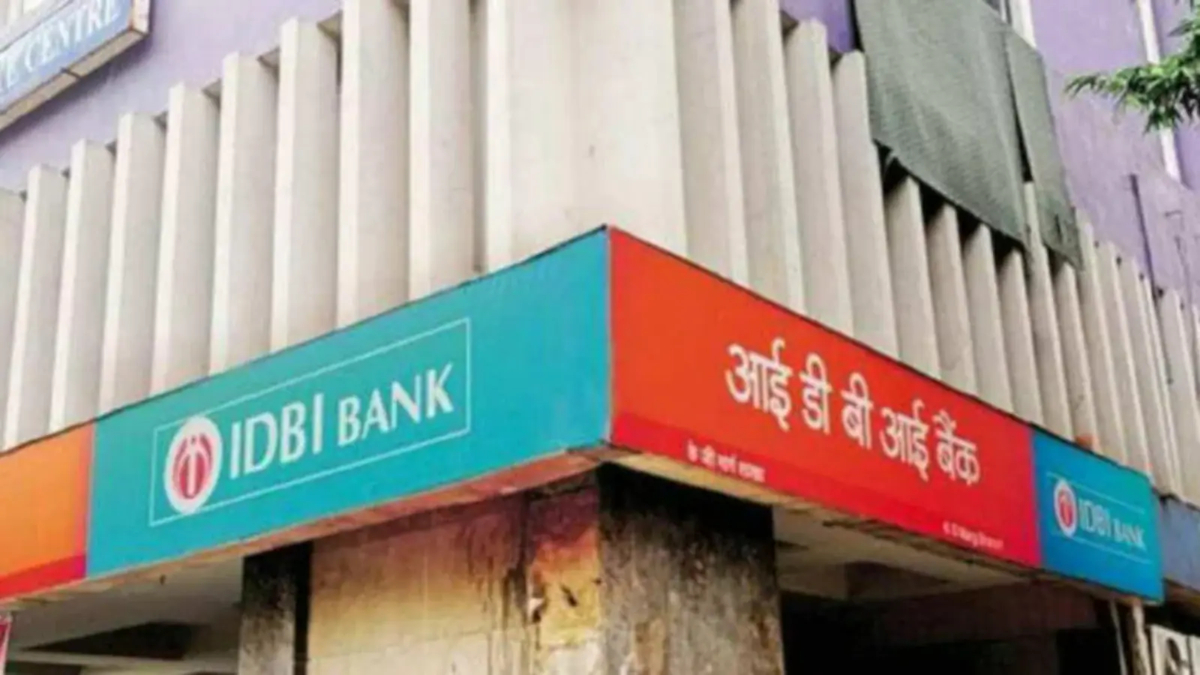
March 16, 2026 — Shares of IDBI Bank witnessed their most aggressive sell-off in over two years on Monday, crashing as much as 16.47% during intraday trade. The sharp decline follows widespread reports that the Indian government is set to scrap the current bidding process for its majority stake sale after financial offers from prospective buyers reportedly fell short of the official reserve price.
The stock, which had been a favorite among investors betting on a successful privatization, hit an intraday low of ₹76.11 on the National Stock Exchange (NSE). This marks a dramatic reversal from its 52-week high of ₹118.45 achieved earlier in January, effectively wiping out months of gains in a single session.
The Valuation Gap: Why the Deal is Stalling
The primary catalyst for the crash was a series of reports suggesting a significant mismatch between the government’s valuation and the bids submitted by global heavyweights.
- Reserve Price Breach: Under existing disinvestment rules, the Department of Investment and Public Asset Management (DIPAM) cannot accept bids that fall below a predetermined “reserve price.”
- The Bidders: Prominent names, including Prem Watsa-led Fairfax Financial Holdings and Dubai’s Emirates NBD, had submitted financial bids in February after passing the RBI’s stringent “fit and proper” assessment.
- The Disconnect: Analysts suggest the government’s floor price may have been influenced by IDBI’s improved fundamentals and its status as a “test case” for bank privatization, whereas bidders remained cautious due to the bank’s low free float and broader global economic volatility.
IDBI Bank’s Response
Following the stock’s freefall, the Bombay Stock Exchange (BSE) sought clarification from the lender. In a formal filing, IDBI Bank stated that the strategic disinvestment is a “confidential process” managed entirely by the Government of India.
“The bank is not in a position to either confirm or deny the referenced media reports. We have not received any official communication from the government regarding the scrapping of the process,” the lender noted.
A Major Setback for India’s Disinvestment Agenda
The potential collapse of the IDBI sale is a significant blow to the Center’s fiscal strategy. The government and the Life Insurance Corporation of India (LIC) together hold a 94.71% stake in the bank and intended to offload approximately 60.7% to a private buyer.
| Stakeholder | Current Holding | Proposed Sale Portion |
| Government of India | 45.48% | 30.48% |
| LIC | 49.24% | 30.24% |
| Total Block | 94.72% | 60.72% |
At recent market valuations, this deal was expected to fetch the exchequer over ₹30,000 crore. If the process is indeed scrapped, the government may miss its ambitious ₹80,000 crore disinvestment target for the upcoming fiscal year, as restarting the bidding process from scratch could take another 12 to 18 months.
Market Outlook and Technicals
Market experts warn that the stock may remain under pressure until the Ministry of Finance provides official clarity. Technically, the sharp “gap down” on Monday has trapped many breakout buyers.
“The momentum has shifted decisively in favor of the bears,” said one senior research head. “The stock is now eyeing its 50-month moving average near the ₹75 mark. If that level fails to hold, we could see a slide toward ₹64.”
Despite the share price volatility, IDBI Bank’s internal health has improved. The lender reported a net profit of ₹1,935 crore for the December 2025 quarter, with its Gross Non-Performing Assets (GNPA) ratio improving to 2.57%. However, for many investors, the “privatization premium” was the main attraction—and that premium is now evaporating.