
 ,)
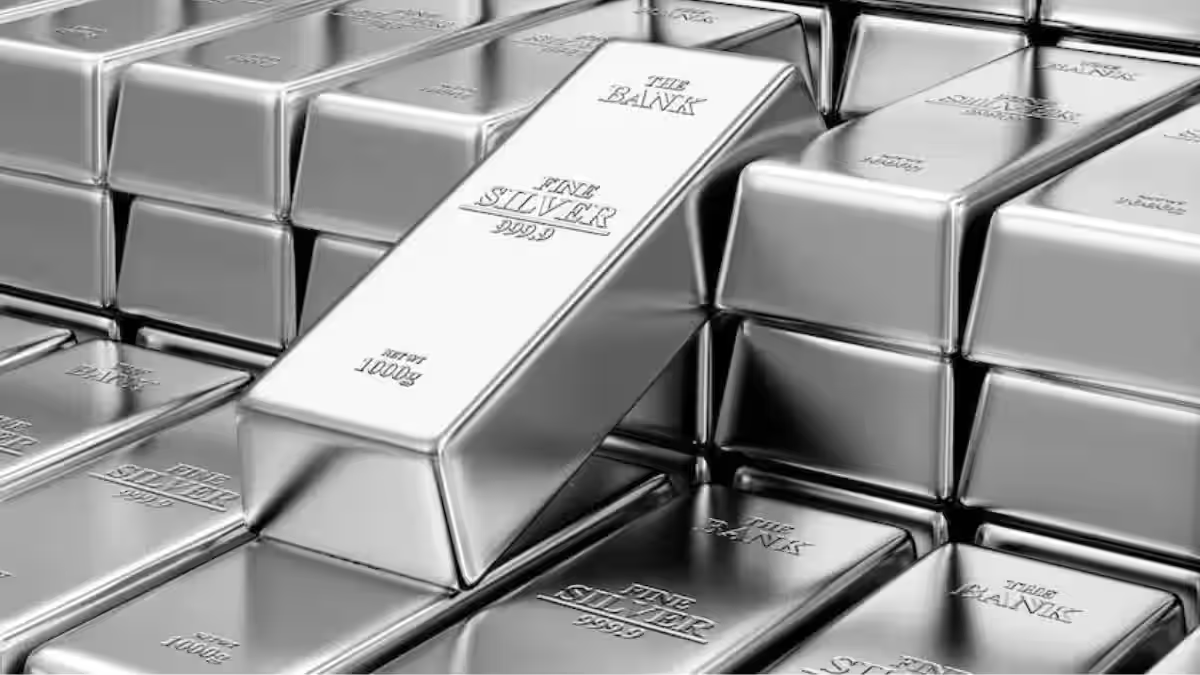
February 11, 2026 — The domestic bullion market witnessed a sharp divergence in price action today as silver futures on the Multi Commodity Exchange (MCX) surged by 2.7%, while gold maintained a steady, marginal upward trend. The rally comes at a critical juncture as India enters the peak of the Magha wedding season, traditionally a period of robust physical demand for precious metals.
Silver Outshines Gold in Intraday Rally
Silver prices took center stage during Wednesday’s trading session, rebounding strongly from previous volatility. The white metal jumped by approximately ₹7,160 per kg, reaching an intraday high of ₹2,59,418 per kg. This nearly 3% spike is attributed to a combination of weakening US Treasury yields and a technical recovery following a recent sell-off.
Market analysts suggest that while industrial demand for silver—particularly in the solar and EV sectors—remains a long-term driver, the current spike is heavily influenced by domestic festive requirements. In cities like Chennai and Hyderabad, retail silver is trading at a premium, frequently crossing the ₹2.60 lakh per kg mark due to its cultural significance in bridal jewelry and traditional gifting.
Gold Remains Resilient Amid High Prices
Gold futures saw a more tempered movement, edging up by roughly 1% to trade near ₹1,58,436 per 10 grams. Despite the “marginal” nature of the daily increase compared to silver, the yellow metal continues to hover near historic highs, testing the psychological resistance level of ₹1.60 lakh.
The steady climb in gold is supported by:
- Weakening US Dollar: A slight dip in the Greenback has made dollar-denominated bullion more attractive for Indian buyers.
- Wedding Season Demand: Despite the high price tag, “needs-based” buying for weddings remains a strong floor for the market.
- Safe-Haven Appeal: Ongoing global economic uncertainties continue to push investors toward gold as a hedge against inflation.
Impact on the Indian Wedding Season
The current price surge presents a mixed bag for consumers. While the traditional demand for heavy jewelry persists, the sheer cost of gold and silver in 2026 has led to a noticeable shift in consumer behavior:
- Lightweight Jewelry: Jewellers report a 25–30% increase in the demand for lightweight, 18K, and 14K gold designs to fit fixed wedding budgets.
- Silver Gifting: With gold reaching record levels, silver has become the go-to alternative for wedding gifts, ranging from coins to traditional utensils (Kalash and Thalis).
- Exchange Programs: Many households are opting to exchange old gold for new designs rather than making fresh cash purchases to mitigate the impact of the current rates.
Market Outlook
Looking ahead, the bullion market is expected to remain volatile as investors await the US Non-Farm Payrolls report and fresh inflation data. “The market sentiment is cautiously constructive,” says a leading research analyst. “For gold, the ₹1.52–1.54 lakh range is acting as a strong support, while silver finds firm footing around the ₹2.50 lakh level.”
With several auspicious dates (Muhurats) lined up for late February and March, domestic demand is unlikely to cool down significantly, potentially keeping prices elevated through the end of the quarter.