
 landscape has just received a major jolt. With the official entry of the Tesla Model Y L—a six-seater,)
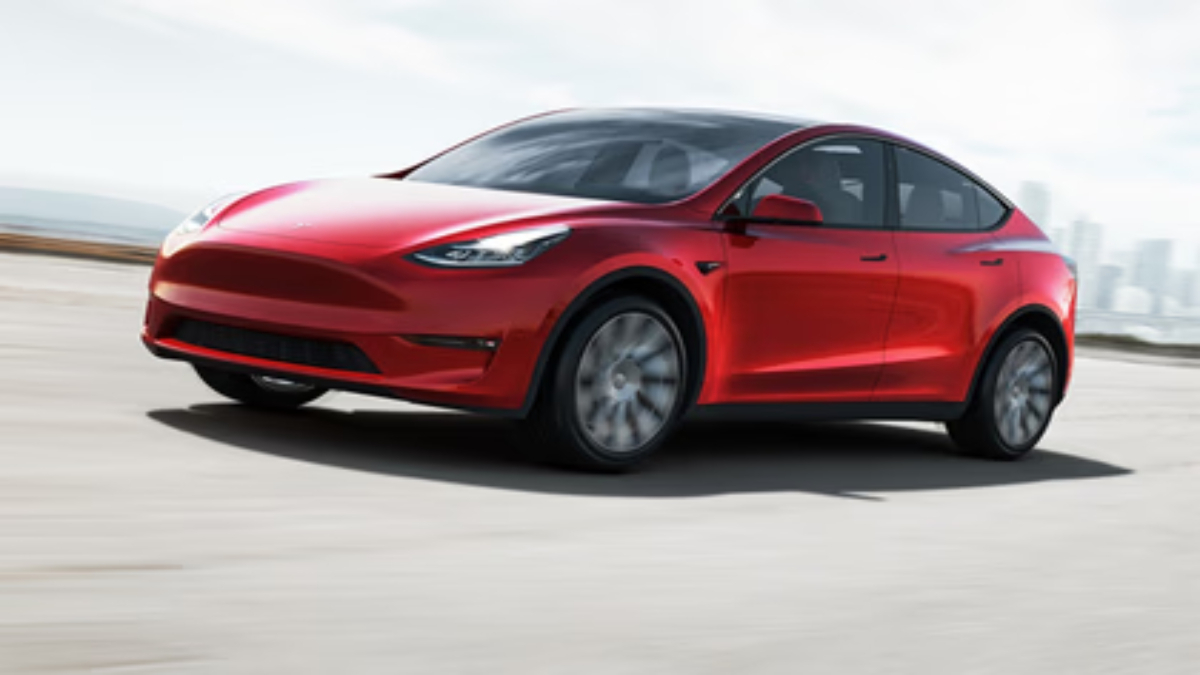
New Delhi, April 22, 2026: The Indian electric vehicle (EV) landscape has just received a major jolt. With the official entry of the Tesla Model Y L—a six-seater, long-wheelbase variant specifically tailored for the Indian market—the premium electric SUV segment has been transformed overnight. Priced at an aggressive Rs 61.99 lakh (ex-showroom), the Model Y L is not just another import; it is a direct challenge to established luxury and performance EVs currently dominating Indian roads.
As the market matures, buyers are no longer asking if they should switch to electric, but which electric vehicle offers the best blend of space, range, and technology. To help you navigate this shifting landscape, we’ve compared the new Tesla Model Y L against the current heavyweights: the Hyundai Ioniq 5, Kia EV6, and the BMW iX1.
The New Contender: Tesla Model Y L
The Model Y L is a distinct departure from the standard Model Y global platform. By stretching the wheelbase, Tesla has successfully carved out a third row, creating a 2+2+2 six-seater configuration. This is a masterstroke for the Indian market, where family-oriented utility often takes precedence over pure performance.
Key Highlights:
- Seating: 6-seater layout with captain seats in the second row (featuring ventilation and power armrests).
- Space: A massive boot capacity of up to 2,539 litres with the rear rows folded.
- Range: A claimed WLTP range of 681 km, putting it at the top of its class for long-distance capability.
- Tech: Tesla’s signature minimalist interior, anchored by a 16-inch main touchscreen and an additional 8-inch screen for rear passengers.
Head-to-Head: Comparison at a Glance
While the Model Y L brings new utility to the table, rivals like the Hyundai Ioniq 5 and Kia EV6 have built strong reputations based on their 800V charging architectures and futuristic design.
| Feature | Tesla Model Y L | Hyundai Ioniq 5 | Kia EV6 (GT Line) | BMW iX1 |
| Price (approx.) | Rs 61.99 Lakh | ~Rs 46.30 Lakh | ~Rs 65.97 Lakh | ~Rs 66.90 Lakh |
| Seating | 6 Seats | 5 Seats | 5 Seats | 5 Seats |
| Range (WLTP) | 681 km | ~631 km* | ~510 km* | ~430 km* |
| 0-100 km/h | 5.0 seconds | 7.6 seconds | 5.3 seconds | 5.6 seconds |
| Charging | 250 kW (Supercharger) | 350 kW (Ultra-fast) | 350 kW (Ultra-fast) | 130 kW |
*Figures are based on standard test cycles and may vary by variant/conditions.
The Competition: Where Do They Stand?
1. Hyundai Ioniq 5: The Value Champion
The Ioniq 5 remains the most sensible choice for those who value efficiency and charging speed. Its 800V architecture allows for incredibly rapid charging, often outperforming Tesla’s peak rates in ideal conditions. With its “living room” interior design and a price point significantly lower than the Tesla, it continues to be the default choice for those transitioning to premium EVs without wanting to break the bank.
2. Kia EV6: The Performance Alternative
If you prefer a sportier driving dynamic and a futuristic “GT” aesthetic, the Kia EV6 is a formidable rival. It shares much of its technology with the Ioniq 5 but leans into sharper handling and a more aggressive stance. It is priced similarly to the new Model Y L, making the choice between the two a matter of taste: do you want the utility of the six-seater Tesla, or the sporty, low-slung thrill of the EV6?
Also Read: Beyond the Lens: Aparna Dixit’ “Work-Cum-Vacation” in the City of Nawabs
3. BMW iX1: The Traditionalist’s Choice
For buyers who aren’t ready to abandon the “luxury car” feeling, the BMW iX1 offers a build quality and driving experience that Tesla—even with its recent refinements—struggles to match in terms of tactile satisfaction. The iX1 feels like a traditional German SUV that just happens to be electric. If you prioritize brand heritage, cabin materials, and the familiarity of a legacy luxury marque, the iX1 remains the benchmark.
Why the Model Y L Changes the Game
The Model Y L doesn’t just compete on raw specs; it changes the definition of “utility” for EVs in India. Most electric SUVs in this price bracket are strictly 5-seaters. By offering a 6-seat layout, Tesla has tapped into the Indian family requirement where transporting extended family comfortably is a major selling point.
Furthermore, Tesla’s software ecosystem remains a distinct advantage. Features like Tesla Theater (for streaming Netflix/YouTube) and the robust Arcade gaming platform transform the car into a mobile entertainment hub. While competitors offer standard Android Auto/Apple CarPlay, Tesla’s proprietary system offers a level of integration—from navigation and climate control to software-over-the-air (OTA) updates—that is still largely unmatched by legacy automakers.
The Verdict
If you are currently in the market for a premium electric SUV, your decision likely comes down to three paths:
- Choose the Tesla Model Y L if: You have a large family, prioritize maximum cargo/passenger space, and want the best-in-class range and charging ecosystem.
- Choose the Hyundai Ioniq 5 if: Value is your primary concern. You want a sophisticated, spacious, and extremely fast-charging vehicle without spending above the Rs 50 lakh mark.
- Choose the Kia EV6 if: You crave a sporty, aggressive driving experience and want an EV that stands out with its distinctively modern, non-traditional styling.
- Choose the BMW iX1 if: You value premium cabin aesthetics, traditional luxury badge prestige, and the driving dynamics of a legacy German luxury car.
With deliveries of the Model Y L set to begin in June 2026, the Indian EV market is entering its most competitive phase yet. The real winner, ultimately, is the consumer, who now has a genuine, feature-rich choice that caters to both the practical demands of the Indian family and the aspirational nature of the electric future.