

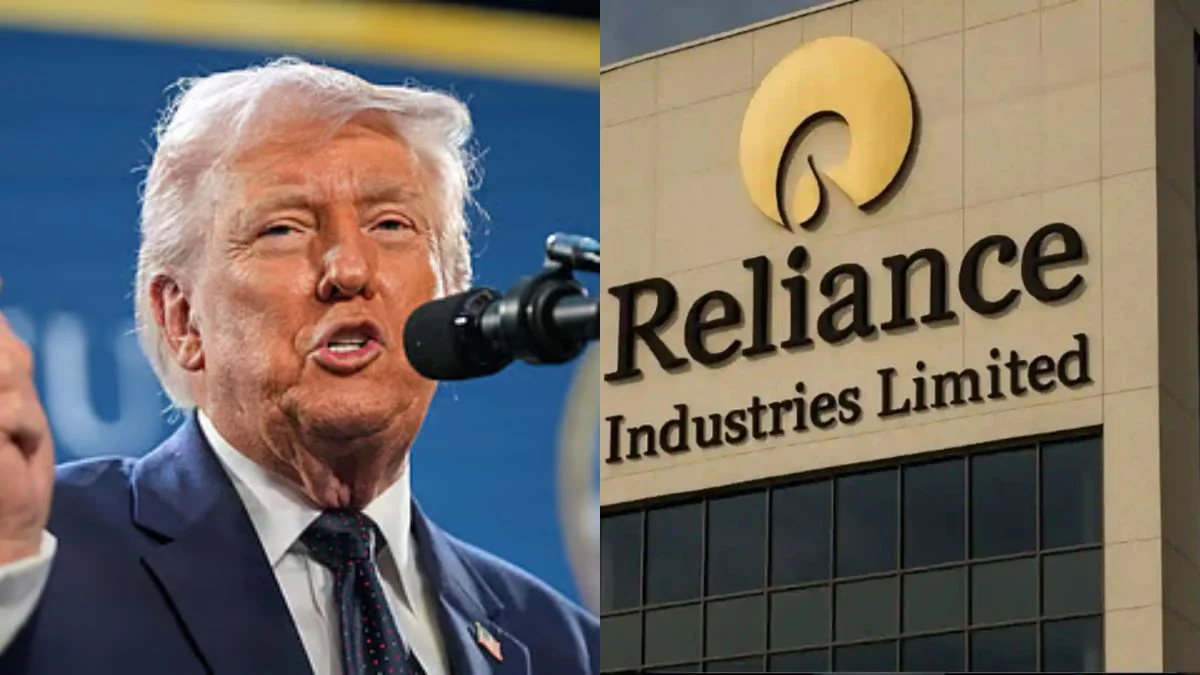
New Delhi, March 11, 2026 — In a move set to redefine the American energy landscape, President Donald Trump has announced the development of a “historic” $300 billion oil refinery project in Brownsville, Texas. The project, spearheaded by America First Refining, is being hailed as the first major oil refinery to be built in the United States in over 50 years.
The announcement, made via Truth Social, specifically highlighted the pivotal role of India’s Reliance Industries, led by billionaire Mukesh Ambani. Trump expressed profound gratitude to the Indian conglomerate, calling their involvement a “tremendous investment” and a cornerstone of his “America First” energy agenda.
A Landmark for U.S. Energy Dominance
The proposed facility at the Port of Brownsville is designed to address a long-standing bottleneck in the U.S. energy sector. While the U.S. has become a leading producer of light shale oil, many existing Gulf Coast refineries are aged and configured to process heavier, sour crude from overseas.
- Capacity: The refinery is expected to process approximately 168,000 barrels per day (bpd).
- Target: It will specifically handle 100% American light shale oil sourced from the Permian Basin.
- Economic Impact: Trump claimed the project represents the “biggest deal in U.S. history,” projecting that it will offset $300 billion in the U.S. trade deficit over time and create thousands of high-paying jobs in South Texas.
The Reliance Connection
While America First Refining (a project of Element Fuels) is the primary developer, the partnership with Reliance Industries brings global expertise and significant capital to the table. Reliance operates the world’s largest refining complex in Jamnagar, India, and its entry into the U.S. downstream market signifies a deepening of Indo-U.S. economic ties.
Reports indicate that Reliance has provided a “nine-figure investment” and signed a 20-year binding offtake agreement, ensuring a consistent market for the refined products, which will include gasoline, diesel, and jet fuel.
Strategic Timing Amid Global Volatility
The announcement comes at a critical geopolitical juncture. With escalating tensions in West Asia threatening the Strait of Hormuz—a vital chokepoint for 20% of the world’s oil—the U.S. administration is pivoting hard toward domestic self-reliance.
By building a “clean” refinery capable of processing domestic shale, the administration aims to:
- Lower Gas Prices: Reduce domestic fuel costs by shortening supply chains.
- Enhance National Security: Mitigate the impact of foreign oil blockades.
- Environmental Leadership: Trump labeled the facility as potentially the “cleanest refinery in the world,” utilizing advanced technologies to minimize the carbon footprint of traditional refining.
Looking Ahead
Groundbreaking for the Brownsville facility is expected as early as April 2026. While some industry analysts remain skeptical of the $300 billion valuation—noting that modern refineries typically cost between $5 billion and $15 billion—the administration insists the figure accounts for the total long-term economic impact, infrastructure improvements, and trade balance contributions.
As the project moves into the construction phase, it stands as a bold symbol of the “America First” strategy: leveraging international capital to fortify domestic industrial independence.