

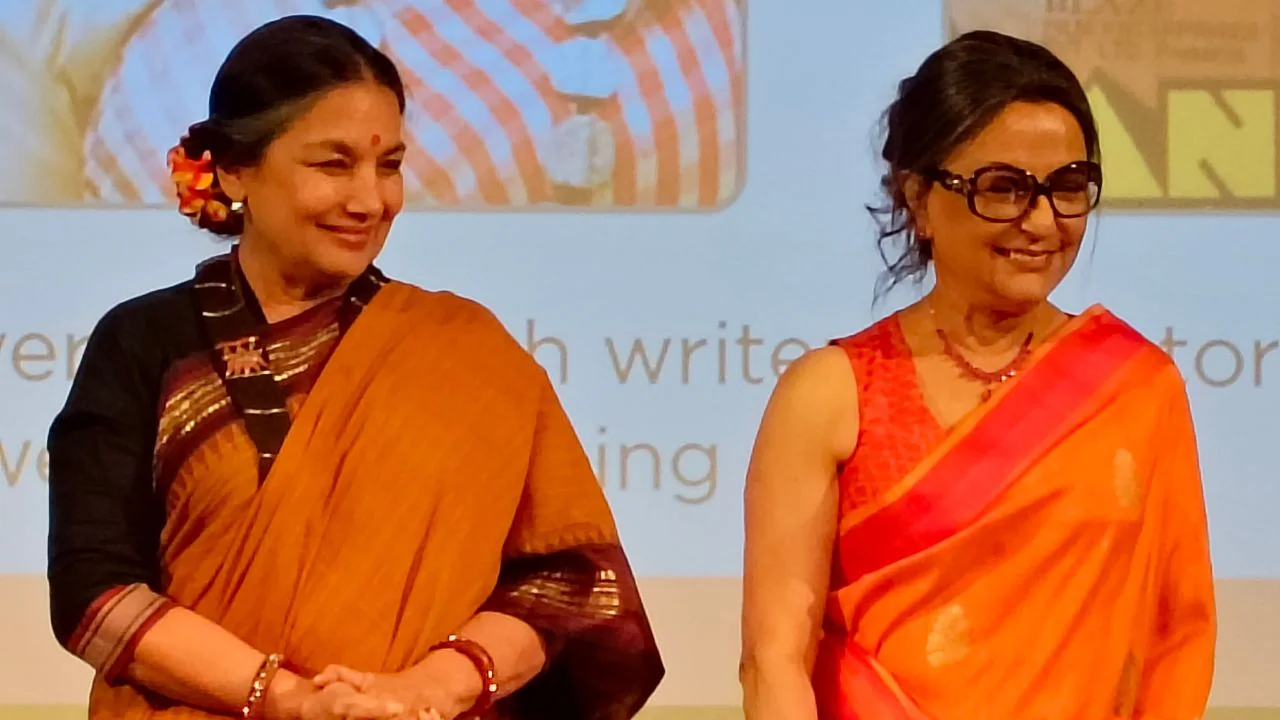
New Delhi, April 3, 2026: In a candid retrospective that has stirred the interest of cinephiles across the country, veteran filmmaker and actress Aparna Sen recently opened up about one of the most significant “what-ifs” of her career. Speaking at a recent cultural forum, Sen admitted to a lingering sense of professional regret regarding her decision to turn down the lead role in Shyam Benegal’s 1974 masterpiece, Ankur.
While the film eventually became the launchpad for Shabana Azmi, catapulting her into national stardom, Sen’s revelation sheds light on the sliding-door moments that define the history of Indian Parallel Cinema.
The Offer That Changed Indian Cinema
During the early 1970s, Shyam Benegal was looking for a fresh yet potent face to portray Lakshmi, a Dalit villager caught in a web of feudal exploitation and personal betrayal. Benegal initially approached Aparna Sen, who was already an established name in Bengali cinema and had gained international recognition through her work with Satyajit Ray.
Sen explained that her decision to decline the role wasn’t due to a lack of interest in the script, but rather a result of scheduling conflicts and personal circumstances at the time.
“Looking back, I do feel a pang of regret,” Sen remarked. “It was a powerful script, and Shyam is a director of incredible vision. But in this industry, some roles are simply meant for certain people.”
A Star is Born: The Shabana Azmi Factor
Sen was quick to pivot from her own regret to praise the woman who ultimately took the role. She acknowledged that Ankur didn’t just gain an actress; it gained a legend.
- A Natural Fit: Sen noted that Shabana Azmi’s performance was “nothing short of iconic,” bringing a raw, grounded energy that defined the “New Wave” of Indian cinema.
- The Debut of a Lifetime: Ankur went on to win three National Film Awards, including Best Actress for Azmi, making it one of the most successful debuts in the history of the medium.
- A Shared Legacy: Sen graciously admitted that while she might have played Lakshmi differently, the film’s cultural impact is inseparable from Azmi’s portrayal.
Parallel Paths: Sen and Benegal
Despite missing out on Ankur, Aparna Sen’s trajectory remained stellar. She eventually transitioned from being a powerhouse performer to one of India’s most respected directors, with classics like 36 Chowringhee Lane and Mr. and Mrs. Iyer.
Interestingly, the collaboration between Sen and Benegal did eventually happen in other capacities, but Ankur remains the “one that got away.” For fans of Art House cinema, the revelation adds a layer of depth to the film’s history—a reminder that the masterpieces we cherish are often the result of a delicate balance of timing, talent, and chance.
The Impact of Ankur (1974)
To understand why this regret carries such weight, one only needs to look at the film’s credentials:
| Category | Significance |
| Director | Shyam Benegal (Feature Debut) |
| Key Theme | Feudalism and Gender Oppression |
| Awards | National Film Award for Second Best Feature Film |
| Legacy | Initiated the ‘Indian New Wave’ of the 70s |
Sen’s admission serves as a poetic tribute to the industry’s interconnectedness. By turning down the role, she unwittingly paved the way for a performance that changed the landscape of Indian acting forever. As she elegantly put it, “Cinema has its own way of choosing its icons.”