

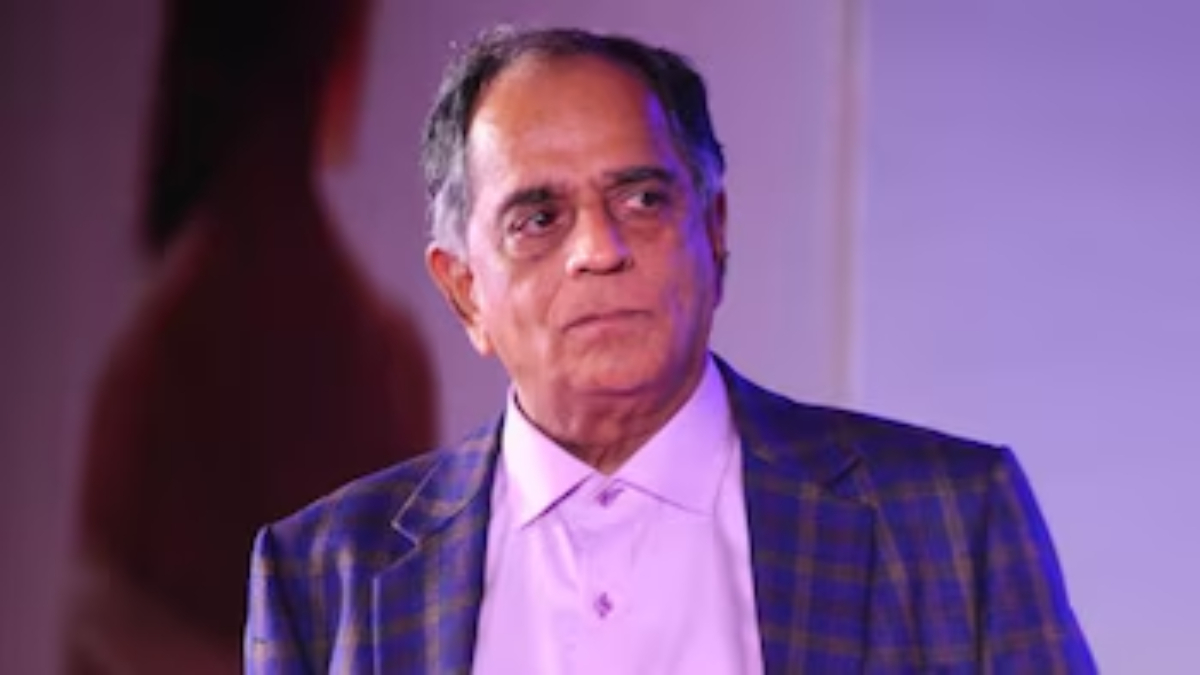
New Delhi, June 4, 2026 — The Indian film fraternity is in mourning following the demise of veteran Hindi film producer and former Central Board of Film Certification (CBFC) chairperson, Pahlaj Nihalani. He passed away on Thursday, June 4, 2026, at the age of 76 after a prolonged battle with liver-related health issues. Nihalani had been receiving specialized treatment over the past month and breathed his last at Nanavati Hospital in Mumbai around 9:30 AM. He is survived by his wife, Nita, and their three sons: Vishal, Deepesh, and Chirag.
The Family’s Statement and Final Farewell
Following his passing, the Nihalani family released an emotional official statement to the press and public, confirming the news and sharing the schedule for his final rites:
The news immediately triggered a wave of grief across Bollywood, with filmmakers, actors, and executives offering their condolences. Current CBFC Chairman Shashi Shekhar Vempati shared the board’s grief, stating, “Heartfelt condolences from the entire CBFC family on the demise of former CBFC Chairperson Shri Pahlaj Nihalani.”
A Cinema Legacy: Shaping the Blockbusters of the ’80s and ’90s
Pahlaj Nihalani was a towering figure in mainstream Hindi cinema, widely credited with defining the high-energy, commercial style of Bollywood during the 1980s and 1990s. He began his production journey in 1982 with the film Haathkadi. However, his unique legacy lies in his uncanny eye for spotting raw talent and molding them into mega-stars.
Most notably, Nihalani launched the career of superstar Govinda by backing his debut film, Ilzaam, in 1986. This dynamic producer-actor relationship, alongside director David Dhawan, became a golden formula for Bollywood box office success. Together, they delivered some of the era’s most memorable, mass-entertainment blockbusters.
Nihalani was also responsible for introducing actor Chunky Pandey to the silver screen with the 1987 action film Aag Hi Aag. Over his multi-decade production career, Nihalani backed an array of highly lucrative commercial entertainers:
- Aankhen (1993): Emerging as one of the biggest blockbusters of the 1990s, this action-comedy solidified his reputation as a king of commercial cinema.
- Shola Aur Shabnam (1992): A cult classic that helped cement Govinda’s position as a premier leading man.
- Paap Ki Duniya (1988) & Ilzaam (1986): Iconic mass action-dramas that drew massive audiences to theaters.
- Andaz (1994) & Talaash (2003): High-profile multi-starrers that showcased his range in commercial storytelling.
Beyond his work as a producer, Nihalani served as the president of the Association of Pictures and TV Programme Producers for nearly 29 years, fiercely advocating for the rights and logistical ease of film crew and creators until he stepped down in 2009.
The Censor Board Tenure: A Lightning Rod for Debate
While cinema lovers knew him for color and comedy, the wider public became deeply familiar with Pahlaj Nihalani during his highly publicized and tumultuous tenure as the chairperson of the Central Board of Film Certification (CBFC). Appointed to the position in January 2015, Nihalani’s administration immediately took an aggressively traditional, hardline stance on film certification.
Believing that modern cinema was leaning too heavily on profanity and adult themes, he implemented heavily strict guidelines. Under his watchful eye, the board routinely demanded extensive cuts, language bleeps, and the removal of scenes containing what it deemed “excessive cussing” or content that could potentially harm religious sentiments—even in movies explicitly intended for mature adult (‘A’) audiences. He openly criticized highly acclaimed, gritty blockbusters like Omkara and Gangs of Wasseypur, arguing that their language did not reflect civil, everyday Indian society.
This conservative approach turned his tenure into a massive lightning rod for industry-wide friction. Filmmakers, critics, and creative rights groups frequently locked horns with Nihalani, accusing his office of outdated moral policing and infringing upon artistic expression. Major public and legal standoffs—most notably over the certification of the hard-hitting drug-drama Udta Punjab—brought the debate regarding the lines between “film certification” and absolute “censorship” directly into the national spotlight.
Despite intense pushback from Bollywood peers, Nihalani remained staunchly unapologetic about his views, frequently reiterating his belief that his primary duty was to protect cultural standards and family values within Indian households. His rocky, headline-making term eventually concluded on August 11, 2017, when he was replaced by lyricist and screenwriter Prasoon Joshi.
Later Years and Final Projects
Following his departure from the CBFC, Nihalani immediately pivoted back to his true passion: independent film distribution and production. He proudly presented the erotic thriller Julie 2 in late 2017, and later reunited with his long-time creative partner Govinda for the 2019 comedy-drama Rangeela Raja. Though his final cinematic outings didn’t achieve the massive box-office heights of his 1990s hits, his relentless drive to create movies never wavered.
Pahlaj Nihalani leaves behind a deeply fascinating, dual-faceted legacy. To millions of cinema lovers and industry insiders, he will forever be remembered as the visionary showman who infused Bollywood with vibrant energy, unbridled commercial joy, and helped discover some of the country’s most beloved screen icons. To the history of Indian media, he remains an unyielding, passionate figure who forced the nation to critically examine the delicate balance between creative freedom and regulatory responsibility. His departure marks the end of a colorful, loud, and undeniably influential chapter in the story of Indian cinema.