

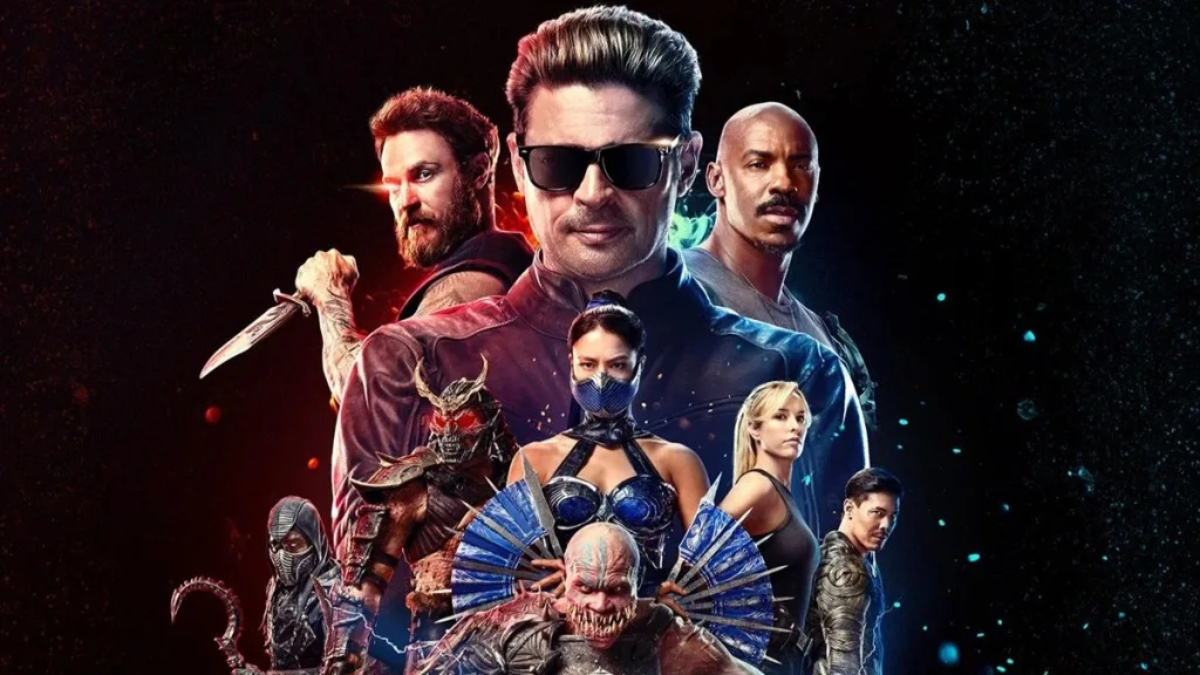
New Delhi, May 13, 2026: As Mortal Kombat II punches its way into theaters this May 2026, fans are flocking to witness the long-awaited debut of Johnny Cage and the brutal reign of Shao Kahn. In an era where superhero blockbusters have conditioned us to stay glued to our seats until the very last line of technical credits crawls by, the question on every kombatant’s mind is: Does Mortal Kombat II have a post-credits scene?
The short answer is no. Despite the massive scale of the sequel and the expanding cinematic universe, writer Jeremy Slater and director Simon McQuoid have opted for a clean break once the fatalities are finished.
Here is the full breakdown of why the filmmakers made this choice, the major character “updates” provided by the writer, and what this means for the future of the franchise.
The Verdict: No Post-Credits Scenes
Unlike its Marvel or DC counterparts, Mortal Kombat II does not feature a mid-credits or post-credits scene. Once the final blow is dealt and the screen fades to black, the narrative is officially over.
While some fans might find this surprising—especially since a third film is already reportedly in early development—the decision follows the precedent set by the 2021 original. In that film, the “teaser” for the sequel (the reveal of Johnny Cage’s movie poster) happened right before the credits rolled, rather than after them.
Pro Tip: While there isn’t a bonus scene, you might want to stick around for the start of the credits anyway. The film features a high-octane closing sequence set to a modernized version of the iconic “Techno Syndrome” theme that is sure to trigger nostalgia for longtime fans.
Why Skip the Tease? Jeremy Slater Explains
Writer Jeremy Slater, who took over scripting duties for the sequel, recently shared insights into why they decided to omit the traditional post-credits stinger.
Slater revealed that he viewed Mortal Kombat II as a “self-contained story.” While the ending certainly leaves the door open for more, the goal was to provide a satisfying conclusion to the immediate conflict with Shao Kahn rather than forcing a “cliffhanger” gimmick.
“We didn’t want to feel like we were just making a two-hour commercial for the next movie,” Slater noted in a recent interview. “The goal was to tell a complete story where the stakes felt real and the ending felt earned.”
Major Writer Update: “Cleaning House”
Perhaps the most shocking “update” from the writing team involves the roster of characters. Slater has been candid about responding to fan feedback from the first film, which led to some brutal creative choices in the sequel.
1. The Fate of Cole Young
In a move that has stunned casual viewers but was championed by “terminally online” hardcore fans, the sequel makes a bold statement regarding Cole Young (Lewis Tan). Slater confirmed that the decision to move Cole to the background—and deal him a shocking hand—was a direct response to the vocal feedback regarding the character’s inclusion in the first film. By pivoting the focus to Karl Urban’s Johnny Cage, the sequel aligns itself more closely with the original game lore.
2. Shaking Up the Canon
Slater also emphasized that “nobody is safe” in this installment. By killing off major characters—some who traditionally survive in the games—the filmmakers are signaling that the cinematic timeline is now officially diverging from the source material. This “anything can happen” approach is intended to keep even the most seasoned gamers on the edge of their seats.
What’s Next for the Franchise?
Even without a post-credits scene, the future of Mortal Kombat is bright (and bloody). Reports indicate that:
- Mortal Kombat 3 is already being scripted by Slater.
- The third film’s direction will likely depend on the audience’s reaction to the new character dynamics introduced in MKII, specifically the chemistry between Johnny Cage and Kitana (Adeline Rudolph).
- Fan-favorite Noob Saibot has been teased as a major looming threat, evolving from the remains of Bi-Han (Sub-Zero).
The Mortal Kombat II Fast Facts
| Feature | Detail |
| Release Date | May 8, 2026 |
| Director | Simon McQuoid |
| Lead Writer | Jeremy Slater |
| Runtime | 1 Hour 56 Minutes |
| Post-Credits? | None |
| Key New Cast | Karl Urban (Johnny Cage), Adeline Rudolph (Kitana), Martyn Ford (Shao Kahn) |
Final Thoughts
If you’re heading to the theater this week, feel free to head for the exit once the credits start. You won’t miss a secret reveal of a new ninja or a hidden Tarkatan camp. The “update” here is simple: the filmmakers are letting the movie speak for itself.
In a world of cinematic universes that often feel like endless puzzles, there is something refreshing about a movie that finishes the fight and lets the audience go home—after a healthy dose of fatalities, of course.