

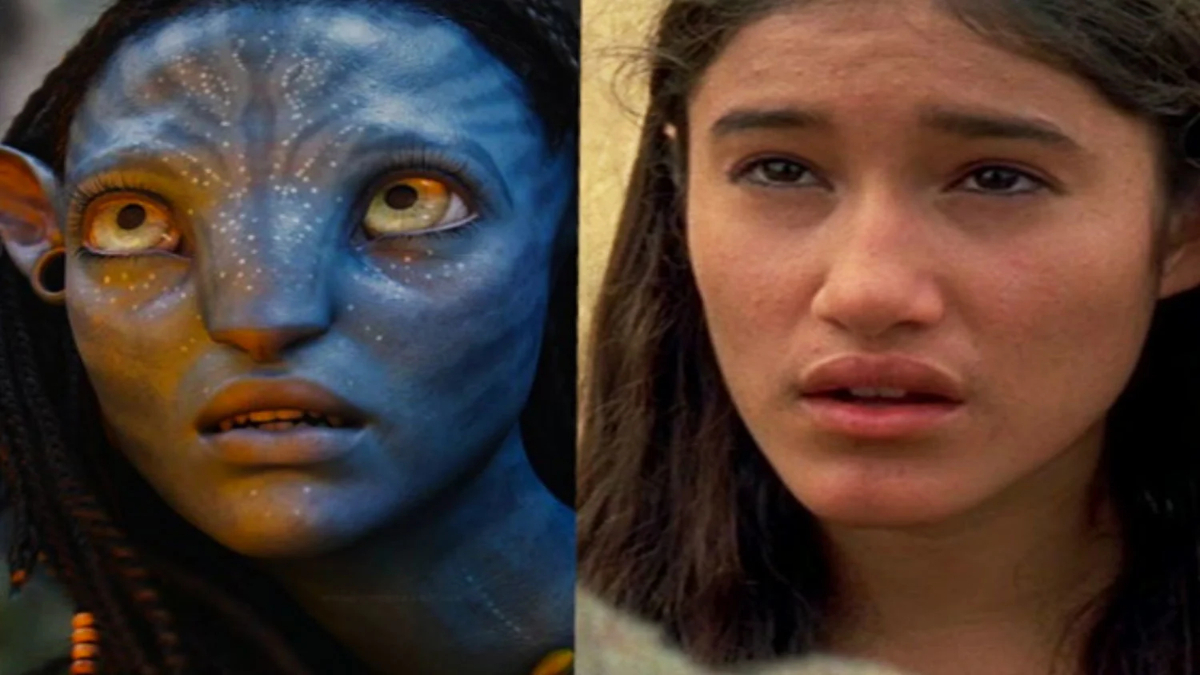
New Delhi, May 7, 2026: The world of Pandora is known for its breathtaking bioluminescence, towering Hallelujah Mountains, and the Na’vi—the blue-skinned, ten-foot-tall inhabitants created through groundbreaking motion-capture technology. However, a new legal storm is brewing on Earth that threatens to overshadow the cinematic achievements of the Avatar franchise. Legendary director James Cameron, his production company Lightstorm Entertainment, and media giant Disney have been dragged into a high-stakes lawsuit involving allegations of the unauthorized use of a teen actor’s likeness.
The Core of the Controversy
The lawsuit, filed recently in a California Superior Court, centers on claims made by a young performer (whose identity is being protected in some filings due to their age at the time of production) and their legal guardians. The plaintiff alleges that the production team behind Avatar: The Way of Water and subsequent sequels used the actor’s physical features, facial expressions, and unique movements to create a prominent Na’vi character without proper compensation, consent, or a valid contract.
At the heart of the dispute is the distinction between “performance capture” and “likeness theft.” While most actors in the Avatar universe are credited and compensated for their motion-capture performances—such as Zoe Saldaña or Sam Worthington—the plaintiff claims their likeness was “harvested” during early workshops and technical tests, then integrated into a digital character without them being officially cast or paid for the final product.
The Allegations: Beyond “Digital Makeup”
The legal complaint paints a picture of a complex production environment where hundreds of hours of reference footage are captured to train the AI algorithms and rendering engines that bring the Na’vi to life. The plaintiff’s legal team argues that their client’s “biometric data”—the specific geometry of their face, the way their eyes move, and their skeletal proportions—was used as the primary blueprint for a character that has since become a central figure in the franchise’s marketing and merchandise.
“This isn’t just about a background extra,” said a legal analyst familiar with the case. “The plaintiff is claiming that the character’s ‘soul’—the micro-expressions that make a digital character feel human—was taken directly from a teenager who was led to believe they were just participating in a screen test.”
The lawsuit seeks unspecified damages, citing breach of contract, violation of “Right of Publicity” laws, and “unjust enrichment.” The latter suggests that Disney and Lightstorm have profited to the tune of millions of dollars from a character whose appeal is built on the plaintiff’s inherent physical traits.
Disney and James Cameron’s Defense
In preliminary statements and filings, the legal teams representing Disney and James Cameron have remained firm, dismissing the claims as “meritless.” Their defense likely rests on several pillars:
- Work-for-Hire Agreements: Studios typically have ironclad contracts that grant them the rights to any footage or data captured during auditions, rehearsals, or tests.
- Creative Transformation: The defense is expected to argue that the Na’vi characters are “transformative” works of art. Because the characters have blue skin, tails, and feline features, they argue that the final digital asset is a creation of the visual effects (VFX) artists, not a direct copy of any single human.
- The Scale of Production: With thousands of artists at Wētā FX working on these films, the studios argue that no single person’s likeness is the sole basis for a character, but rather a composite of various references.
James Cameron, known for his perfectionism and deep involvement in the technical aspects of his films, has long championed motion capture as a “pure form of acting.” He has yet to comment personally on the litigation, but his production company has indicated it will vigorously defend its creative processes.
Why This Case Matters: The “Digital Twin” Era
This lawsuit arrives at a pivotal moment for the entertainment industry. The rise of Artificial Intelligence (AI) and “Deepfake” technology has made it easier than ever for studios to create digital humans. This has sparked a massive debate in Hollywood about “digital rights.”
During the 2023 SAG-AFTRA strikes, one of the primary sticking points was the protection of an actor’s likeness against AI replication. Actors expressed fear that studios could pay them for one day of work, scan their bodies, and then use their digital likenesses forever without further pay or permission.
The Avatar case is a “canary in the coal mine.” If the court finds in favor of the teen actor, it could set a massive legal precedent. It would signal to major studios that even “reference data” or “test footage” carries significant value and requires explicit, long-term licensing.
The Human Element in a Digital World
While the legal battle unfolds in courtrooms, the case also raises ethical questions. The plaintiff was a minor during the alleged “harvesting” of their likeness. Legal experts are questioning whether a minor—or even their parents—can fully grasp the long-term implications of signing away their “digital soul” for a franchise that may span decades.
As seen in the image above, motion capture involves placing dozens of markers on an actor’s face to track every twitch of a muscle. To the studio, this is data. To the actor, it is their identity. The lawsuit argues that for a teen actor, seeing their own smile or “look” on a global superstar character can be a confusing and exploitative experience if they aren’t part of the journey.
Potential Outcomes
There are three likely paths this case could take:
- A Quiet Settlement: Disney is known for protecting its brand image. If the plaintiff’s evidence (such as side-by-side facial comparisons or internal emails) is strong, the studio may choose to settle out of court for a significant sum to avoid a public trial and a potentially restrictive legal precedent.
- A Landmark Trial: If Disney and Cameron choose to fight, this could become one of the most important intellectual property cases in cinema history. A victory for the studio would solidify their right to use digital tools with broad creative freedom. A victory for the actor would force a total overhaul of how motion-capture contracts are written.
- Dismissal: If the studio can prove the actor signed a comprehensive waiver or that the character is sufficiently different from the human source, the case may be thrown out before it ever reaches a jury.
Conclusion
The Avatar franchise has always been about the tension between the natural world and industrial expansion. It is ironic, then, that the films are now at the center of a real-world conflict between human identity and corporate technology.
As James Cameron prepares for the release of Avatar 3, the shadow of this lawsuit looms large. It serves as a reminder that behind every shimmering digital character is a human being—and in the modern age, the most valuable thing an actor owns isn’t just their talent, but their very likeness. Whether the courts see a “blue alien” or a “digital stolen identity” remains to be seen, but the result will undoubtedly change Hollywood forever.