

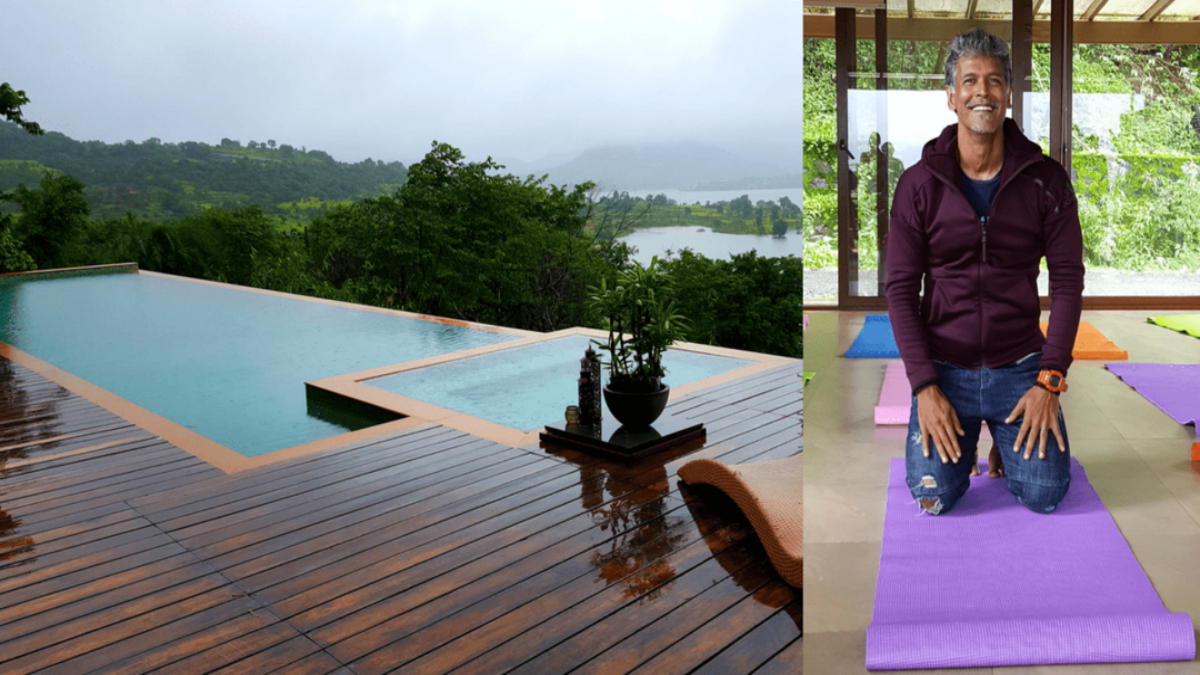
New Delhi, June 13, 2026: Milind Soman—supermodel, fitness icon, and actor—is making headlines for a feat that has nothing to do with running marathons or starring on the silver screen. In a recent interview on Sonu Sharma’s YouTube channel, Soman revealed that he has personally planted more than 30,000 trees at his property in the tranquil hill station of Lonavala.
The project, which began nearly three decades ago, started as a rescue mission against environmental destruction. It serves as a stark reminder of the hidden ecological costs of rapid urbanization and real estate development.
The Reality of “Scorched Earth” Development
Soman bought his Lonavala property in 1997, expecting a peaceful, green retreat. Instead, he found a landscape devastated by human handiwork. Reflecting on the state of the land at the time, Soman noted that previous handlers and land developers had actively burned down the local vegetation.
This practice is a common, underreported tactic in real estate development across India. To showcase plots to potential buyers, clear property boundaries, or make land look larger and easier to construct on, developers often slash and burn native flora. Soman expressed deep sadness over this shortsighted approach, noting that cutting down established ecosystems simply to showcase a blank canvas of real estate is a tragic loss for local biodiversity.
Rather than building a standard luxury villa with a manicured concrete lawn, Soman chose to give the land back to nature. Over the next 29 years, he took it upon himself to spearhead a massive, slow-burning reforestation effort, planting thousands of saplings to heal the scarred earth.
Healing Through Nature Therapy
Soman’s deep-rooted connection to his Lonavala forest ties into his broader philosophy on physical and mental well-being. A longtime advocate of the Japanese practice of Shinrin-yoku, or “forest bathing,” Soman views trees not just as environmental necessities, but as central pillars of health.
- Shinrin (Forest) + Yoku (Bath): A nature therapy method involving immersing oneself in a forest environment.
- The Process: Intentionally engaging with the sights, sounds, and scents of nature rather than treating a walk as a cardiovascular workout.
- The Benefits: Clinical studies show that regular forest bathing lowers cortisol (stress hormones), reduces blood pressure, and boosts immune system function through the inhalation of phytonicides—airborne chemicals released by plants to protect themselves from insects.
For Soman, the Lonavala estate became a private sanctuary for this exact practice. In past reflections on his lifestyle, he shared that during periods of high stress, he would retreat to the property alone—leaving behind phone signals and social obligations—simply to sit among the trees.
A Shared Commitment to the Planet
This environmental journey is a shared family passion. Soman’s wife, Ankita Konwar, has frequently documented their life among the Lonavala greenery on social media. She frequently notes that her best, most grounded self emerges when she is surrounded by forest ecosystems, jokingly adding that her husband is “just as crazy, if not more” about protecting and living alongside trees.
By prioritizing indigenous planting over exotic, ornamental landscaping, the duo has successfully rebuilt a micro-ecosystem that attracts local birds, insects, and small wildlife, effectively reversing the damage done before 1997.
Shifting Focus Away from the Limelight
The revelation about his massive tree-planting initiative comes at a time when Soman has been noticeably selective about his mainstream acting career. While he recently portrayed Field Marshal Sam Manekshaw in Kangana Ranaut’s historical drama Emergency, Soman candidly admitted in the same interview that mainstream Bollywood offers have become infrequent—describing them as na ke barabar (almost negligible).
However, his absence from the screen seems less like a setback and more like a conscious realignment of energy. From enduring grueling physical challenges—like completing a half-Ironman distance (a 90 km bike ride and a 21 km run) daily for a week—to nurturing a 30,000-tree forest, Soman is channeling his discipline toward long-term longevity.
At 60 years old, Soman’s legacy is shifting. He is evolving from the face of 90s Indian pop culture into a quiet champion of environmental restoration, proving that the most impactful work a person can do often happens far away from the cameras, deep within the dirt.