

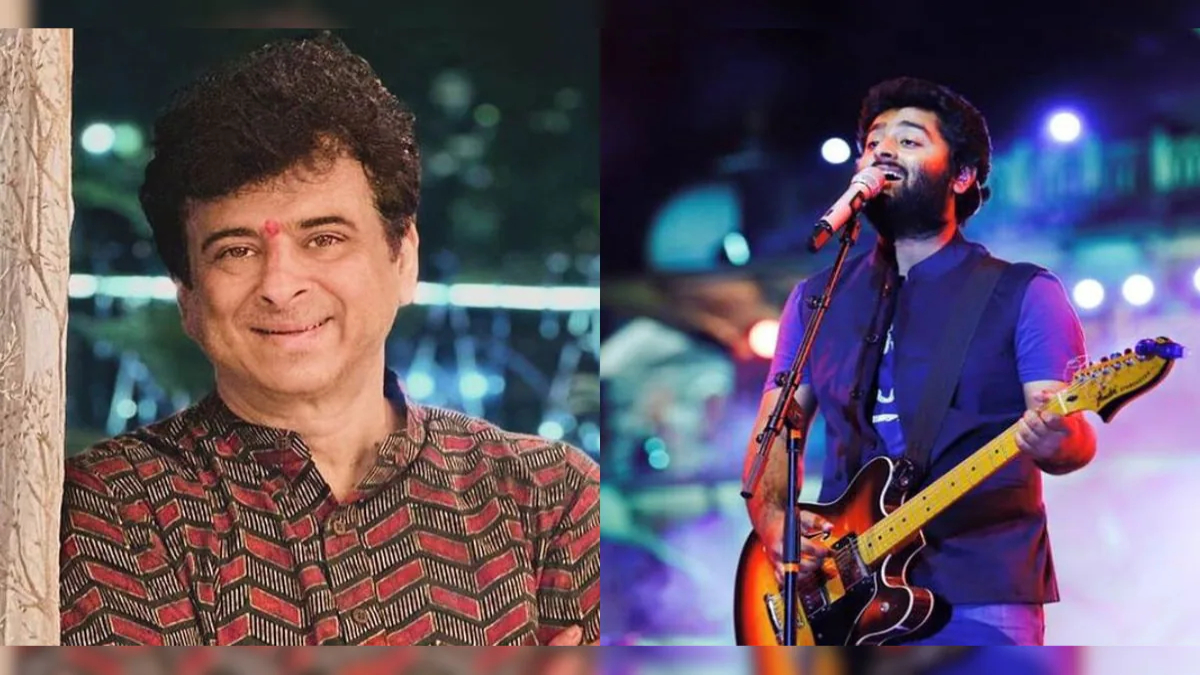
New Delhi, February 3, 2026: In a surprising turn of events that has left the Indian music industry buzzing, veteran singer and Euphoria frontman Palash Sen has stepped forward to weigh in on Arijit Singh’s shocking exit from playback singing. On Monday, February 2, 2026—exactly 24 years after his own acting debut—Sen took to social media to share why he resonates deeply with Arijit’s decision to walk away from the Bollywood “system.”
A “Threat” in the Industr
Reflecting on his 2002 debut in Meghna Gulzar’s film Filhaal, Palash Sen recalled a period of intense scrutiny. Despite starring alongside heavyweights like Tabu and Sushmita Sen, the film was a commercial failure. Sen revealed that he was “written off” by critics and even trolled by industry insiders.
“I really don’t know why I was perceived as a threat. I just went to have fun and do my job to the best of my ability,” Sen wrote.
He admitted that his only motivation for entering the film world was the dream of singing a song written by Gulzar and composed by Anu Malik. Once that box was checked, the toxic environment and “lectures” from peers led him to realize that the traditional Bollywood path wasn’t for him.
Why Arijit Singh is “Calling it Off”
Arijit Singh, arguably the biggest voice in modern Indian cinema, stunned fans on January 27, 2026, by announcing he would no longer accept new playback assignments. While Arijit cited a desire to return to his roots in Indian classical music and a simple sense of being “bored” with the repetitive nature of film music, Palash Sen suggests there is more beneath the surface.
Sen claims to know the “truth” behind the exit, implying that the industry’s tendency to stifle individualistic artists eventually forces them to choose their own freedom over fame.
- A Familiar Path: Sen stated, “I was there way back and I chose my own path… the path that I know Arijit will now walk on.”
- Validation Over Awards: Sen pointed out that despite his nominations, he never won major industry awards—and neither did his band, Euphoria—yet they found lasting success through the direct love of the people.
What’s Next for the “King of Playback”?
While Arijit Singh’s voice will still be heard in a few pending projects—including his recent collaboration with Salman Khan in Battle of Galwan—the singer is pivoting toward independent projects. Palash Sen’s support highlights a growing trend of top-tier artists abandoning the “playback” machinery to regain creative control.
Arijit’s move is being viewed not as an end, but as a graduation. Like Sen, who built a legacy with independent hits like Maeri, Arijit seems ready to trade the studio booth for a more authentic, classical, and perhaps “threat-free” musical existence.