

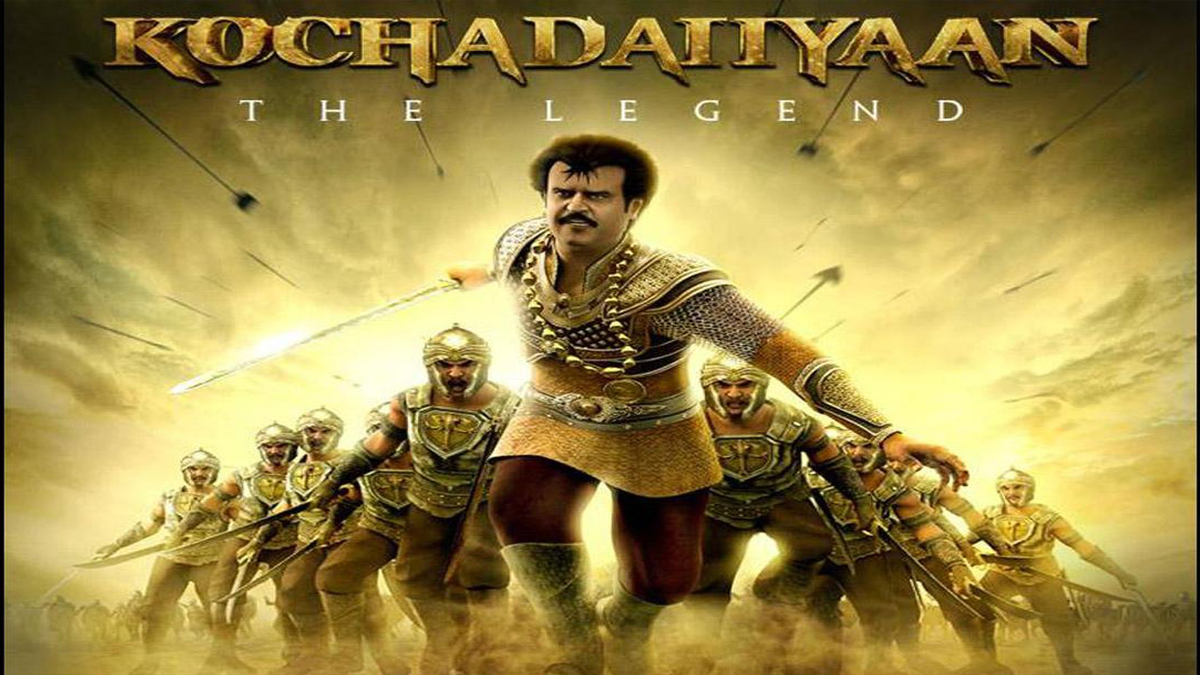
New Delhi, February 10, 2026: In a significant legal blow to the makers of the 2014 superstar Rajinikanth-starrer Kochadaiiyaan, the Madras High Court has issued a stern ultimatum to producer J. Murali Manohar: pay ₹2.52 crore in compensation or face a six-month jail term.
The ruling, delivered on February 9, 2026, serves as a final warning in a decade-long legal battle involving a high-profile cheque bounce case.
The Court’s Directive: Pay or Serve Time
Justice Sunder Mohan of the Madras High Court passed the order while hearing a criminal revision case filed by Murali Manohar and his production house, MediaOne Global Entertainment Limited.
While the court confirmed the conviction of the producer in the long-standing cheque bounce case, it offered a final chance to avoid imprisonment. The court modified the previous sentence, directing the producer to pay a fine of ₹2.52 crore (twice the calculated liability) to the financier within four weeks. Failure to meet this deadline will result in Manohar serving six months of simple imprisonment.
Key Details of the Ruling:
- Deadline: The payment must be cleared within one month.
- Penalty: ₹2.52 crore (calculated as double the remaining debt of ₹1.26 crore).
- Default Consequence: Mandatory six-month jail sentence.
Background: A 12-Year Financial Tangle
The legal dispute traces back to 2014, during the final post-production stages of Kochadaiiyaan, India’s first photorealistic motion capture film.
- The Loan: According to the complainant, Abirchand Nahar of AdBureau Advertising Private Limited, the production house borrowed funds to ensure the film’s release.
- The Agreement: The financier claimed they extended a loan of ₹10 crore in April 2014, based on an MoU that promised a share of the sale proceeds or a minimum guaranteed profit.
- The Breach: In December 2014, a cheque issued by MediaOne Global Entertainment was returned with a “stop payment” instruction. This prompted the filing of a complaint under Section 138 of the Negotiable Instruments Act.
While the producer claimed to have repaid over ₹12 crore, the court found inconsistencies in the accounts. After reviewing the evidence, the judge concluded that a principal balance of ₹1.26 crore remained unpaid, leading to the current fine of double that amount.
The Impact on MediaOne Global
This case has seen multiple turns over the years. In 2021, a metropolitan magistrate originally sentenced Manohar to six months in jail and ordered a compensation of ₹7.70 crore. Although the producer appealed to the city civil court and later the High Court, the conviction remained upheld, even as the compensation amount was revised downward to the current ₹2.52 crore.
This ruling also brings back into focus the legal hurdles that have trailed Kochadaiiyaan since its inception, including separate proceedings involving Latha Rajinikanth, who had stood as a guarantor for the production company’s liabilities.
What’s Next?
Producer Murali Manohar now has a narrow window to settle the dues. The Madras High Court has made it clear that the primary objective of the Negotiable Instruments Act is the recovery of money, but it will not hesitate to enforce the jail term if the judicial deadline is ignored.
For the film industry, this serves as a cautionary tale regarding the legal complexities of film financing and the strict enforcement of financial obligations under Indian law.