

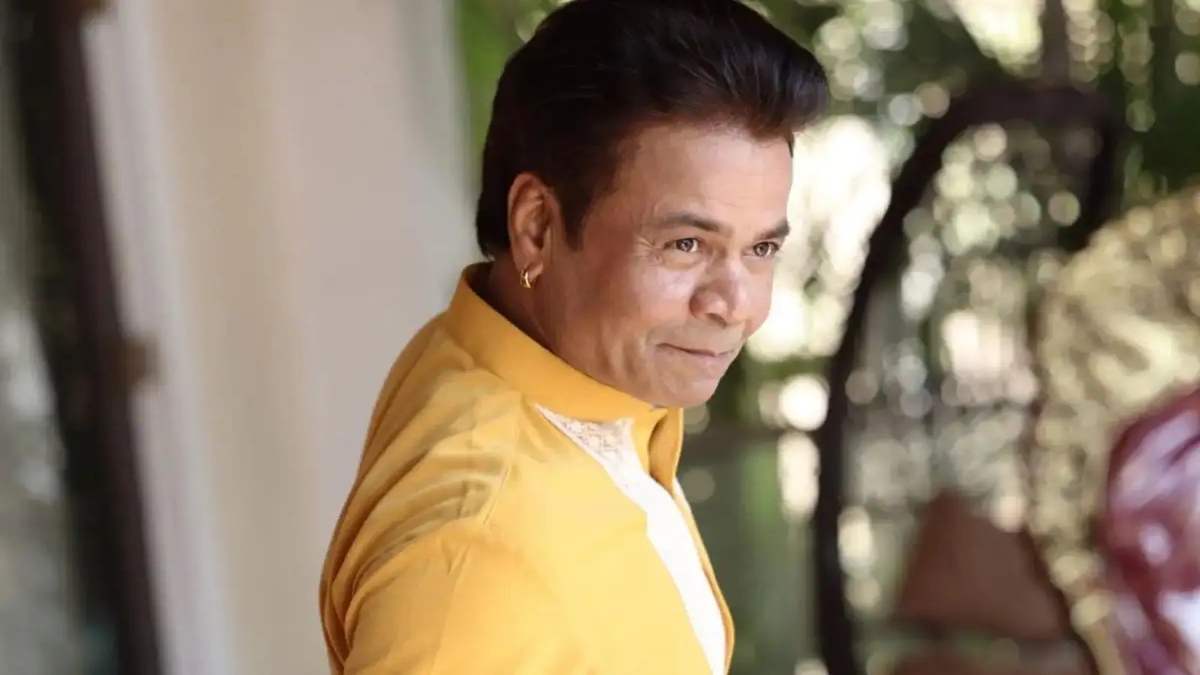
New Delhi, April 24, 2026: Bollywood’s beloved comedic actor Rajpal Yadav has injected a fresh perspective into his long-standing legal battle. In a candid conversation on a recent podcast, the Dhol and Chup Chup Ke star addressed the ongoing controversy surrounding his cheque bounce case—a saga that has dominated headlines for months and even led to a recent stint in Tihar Jail.
For years, the public narrative surrounding the actor’s legal troubles centered on a perceived inability to repay a loan. However, in a recent interview, Yadav challenged this assumption, claiming that the reality of his situation is far more nuanced and complex than a simple “inability to pay.”
The “Twist”: A Long-Standing Struggle
The actor, who has been a staple of Hindi cinema for over two decades, struck a chord with his fans and industry peers when he remarked, “Ye 5 crore ka masla hota to 2012 me nipat jata“ (If it were a matter of 5 crores, it would have been settled in 2012).
Yadav explained that the issue, which dates back over a decade, is not about a lack of funds but rather a deeper business complication involving his directorial debut, Ata Pata Laapata. According to Yadav, what started as a financial arrangement spiraled into a colossal loss, with his investment totaling upwards of ₹17–22 crore.
He suggested that the financial crisis was exacerbated by the circumstances surrounding the film’s production and release. “This ₹5 crore issue ended up causing losses of ₹17 crore. My intention was always good, and I was not jailed because I couldn’t pay; it was a matter of principle and a much larger business entanglement,” the actor asserted.
Contextualizing the Legal Saga
To understand the weight of his statement, it is necessary to look at the timeline. The legal dispute traces back to 2010 when Yadav borrowed funds to finance his film. Following the movie’s underwhelming box office performance, he found himself unable to meet the repayment terms, triggering a series of legal actions under the Negotiable Instruments Act.
By early 2026, the situation had escalated significantly. In February 2026, the actor was sent to Tihar Jail in connection with these cheque bounce cases, a development that shocked many in the film fraternity. His subsequent release on interim bail in March 2026, after making a “substantial” payment of ₹1.5 crore, marked a turning point, though the legal proceedings remain active.
Industry Support and Public Perception
The legal battle has not been a solitary journey for the actor. During his time in custody and the subsequent legal back-and-forth, Yadav received notable support from the Hindi film industry. Many of his peers, including high-profile stars, reportedly offered him support, and industry federations rallied behind him.
Addressing the skepticism surrounding his ability to pay, Yadav was firm: “In my 25-year career, I have worked in over 250 films. If I didn’t have the support of the industry and the audience, would I have been able to sustain this career for so long?”
He emphasized that he has maintained a deep respect for the judiciary and has full faith that the matter will eventually conclude in his favor. “This fight was not started by me, but it will end because of me,” he added.
What Lies Ahead?
As the case continues to move through the Delhi High Court, the focus remains on the upcoming hearings. The court, while noting that the actor has made “substantial” payments and is not actively attempting to evade his responsibilities, has granted him temporary relief.
For his fans, this recent revelation adds a human layer to the sensational headlines. While the legalities of a cheque bounce case are often cut-and-dried, Rajpal Yadav’s plea is a reminder that in the high-stakes world of film production, the line between business failure and fraud can sometimes become incredibly blurred.
As the actor continues his professional work—including his recent appearance in projects like Bhooth Bangla—the case serves as a stark reminder of the often-precarious financial realities faced by those who dare to step from in front of the camera to behind it.
For now, the actor remains committed to proving his side of the story, urging the public and the legal system to look at the “full story” behind the numbers.