

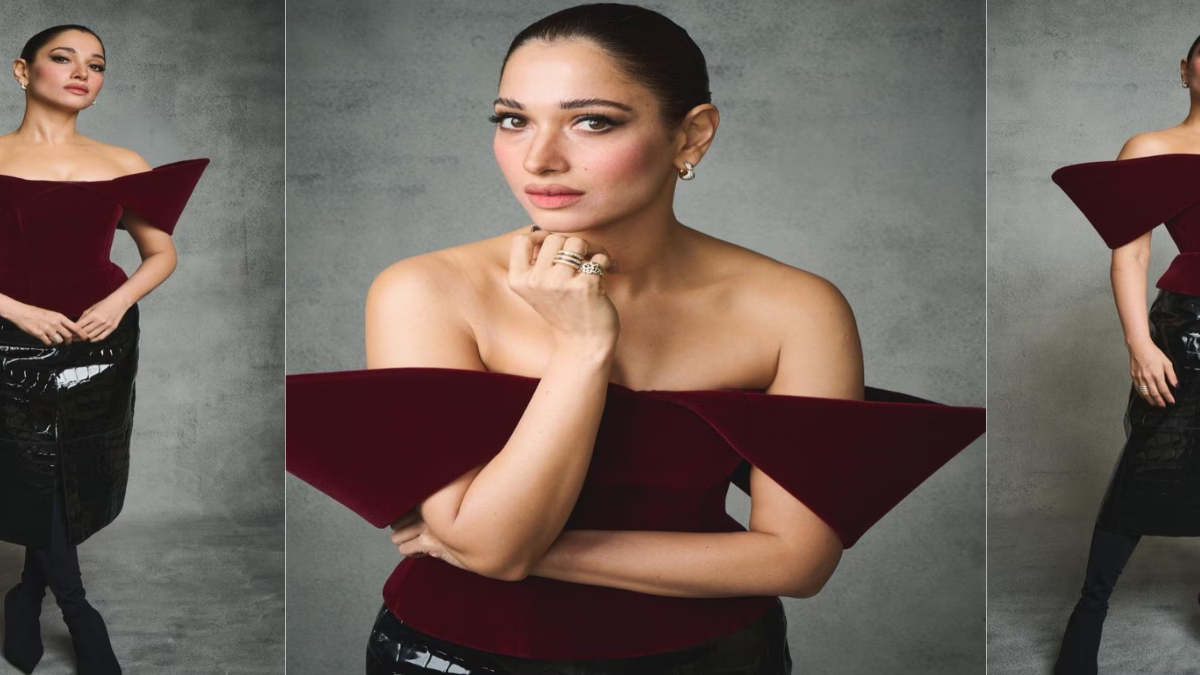
New Delhi, April 29, 2026: The fashion world held its breath this week as the highly anticipated sequel to the iconic The Devil Wears Prada finally arrived. As the star-studded premiere screenings kicked off globally, one look from the Mumbai event has been dominating social media feeds and fashion forums alike: Tamannaah Bhatia’s striking, powerful ensemble.
While the film brings back the beloved characters of Andy Sachs and the formidable Miranda Priestly, fans and critics are asking a different question: Is Tamannaah Bhatia the spiritual successor to the iconic editor-in-chief of Runway?
The Look That Stopped Traffic
When Tamannaah Bhatia stepped onto the red carpet at the special screening held at Mumbai’s Jio World Plaza, the atmosphere shifted. She didn’t just attend a movie premiere; she commanded the room.
Tamannaah opted for a David Koma ensemble that perfectly balanced high-fashion architecture with a sharp, “power-dressing” silhouette. The look featured a sculpted corset blouse with an exaggerated boat neckline and cape sleeves. The corset’s structural integrity hugged her frame, exuding a sense of control and confidence that felt undeniably reminiscent of the Runway magazine aesthetic.
She paired the structured top with a crocodile-effect black leather midi skirt, which featured a sharp front slit that added a dash of modern edge to the polished look. To finish the outfit, she donned Balenciaga thigh-high boots, grounding the look in a way that felt both utilitarian and incredibly chic.
But it wasn’t just the clothes; it was the styling. Her sleek updo, muted brown eyeshadow, winged eyeliner, and a natural pink lip created a clean, razor-sharp finish. It was a look that screamed “editorial” and “authority”—the exact energy Miranda Priestly defined in 2006 and continues to embody in the new sequel.
The “Miranda” Connection
For those familiar with the Devil Wears Prada universe, the connection to Meryl Streep’s iconic character isn’t just in the outfit’s color palette or the use of luxury fabrics. It is in the attitude.
Miranda Priestly represents the pinnacle of professional excellence, the cold, calculating eye for detail, and an uncompromising standard of perfection. When fans on social media began comparing Tamannaah’s red-carpet photos to screenshots of Streep’s character, the consensus was clear: Tamannaah had captured the “Miranda energy.”
In her own social media post following the event, Tamannaah captioned the photos with a simple, punchy, “That’s all.” For any Devil Wears Prada fan, that phrase is the ultimate mic-drop moment—a direct reference to the legendary dismissal Priestly uses to end meetings. By choosing that caption, Tamannaah signaled that she was very much in on the joke, paying homage to the source material with confidence.
Why This Moment Matters
Fashion premieres are often about glamour, but in the post-pandemic era, they have evolved into something else: a stage for “power-dressing.” The release of The Devil Wears Prada 2 comes at a time when the workplace, the media industry, and the definition of a “boss” are being radically reassessed.
The original film was a critique of the toxic, top-down power structure of early 2000s media. Two decades later, the sequel explores how that power has shifted to digital platforms, social media, and a more vocal, empowered workforce. By showing up in a look that was structured, sharp, and “editor-ready,” Tamannaah mirrored this evolution. She didn’t look like an intern—she looked like someone who could run the magazine.
This “power look” trend is gaining traction in Indian cinema as well. Stars are increasingly using premieres to curate “characters” that align with the themes of the films they are promoting. Tamannaah’s nod to the Devil Wears Prada aesthetic wasn’t just a stylistic choice; it was a clever engagement with the cultural conversation surrounding the film.
The Verdict: Did She Channel the Legend?
So, did Tamannaah Bhatia successfully channel Miranda Priestly?
If the goal was to evoke the spirit of the most feared and respected woman in fashion—a character who knows that true power lies in being impossible to ignore—then the answer is a resounding yes. The sculpted corset, the leather, the towering boots, and that confident, calculated gaze were all perfectly executed.
While Meryl Streep’s Miranda Priestly remains the gold standard of cinematic style, Tamannaah Bhatia reminded us that the “Priestly” aesthetic is timeless. It isn’t just about the designer brands or the cerulean sweaters; it’s about the poise, the precision, and the message that you are in total control of your environment.
As we continue to watch the impact of The Devil Wears Prada 2 on pop culture, one thing is certain: Tamannaah Bhatia has set a high bar for red carpet dressing this year. She didn’t just dress for the premiere; she dressed for the role she was born to play.