

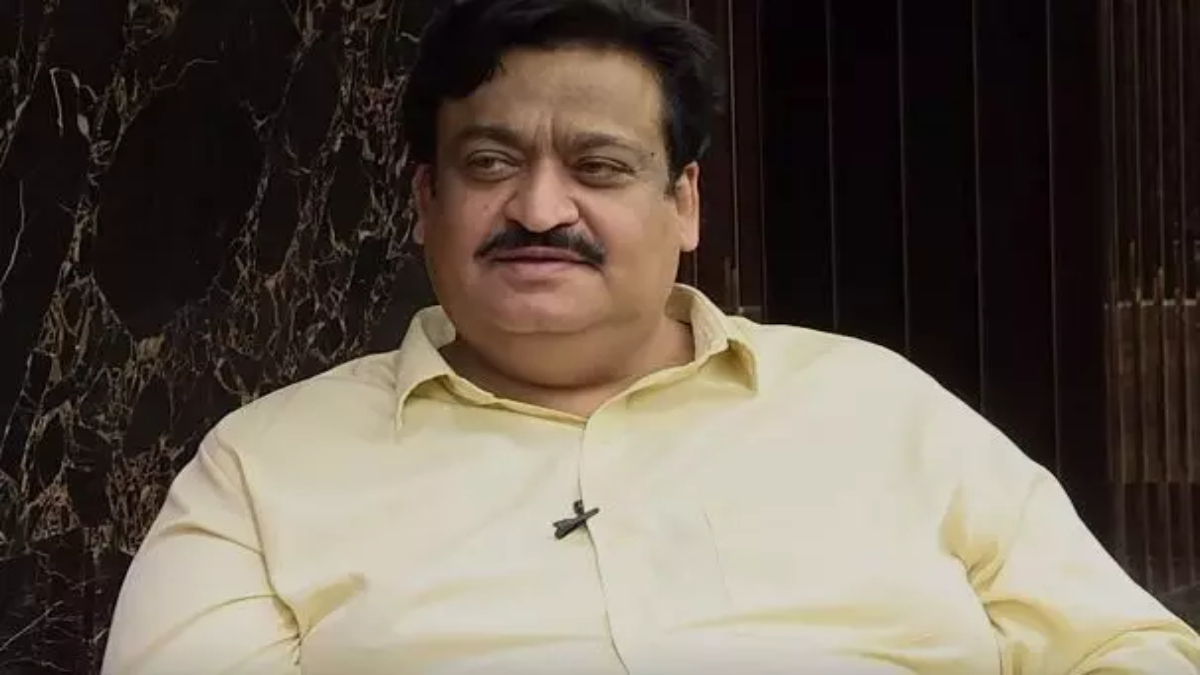
New Delhi, May 20, 2026 — In a dramatic development that has sent shockwaves across the Telugu film industry, leading exhibitor, distributor, and producer Suniel Narang has officially resigned from his position as the President of the Telangana State Film Chamber of Commerce (TSFCC). The unexpected move, finalized late Tuesday night and formally accepted by the Chamber’s Executive Committee on May 20, 2026, marks an abrupt and chaotic end to his leadership tenure during one of the most volatile periods for Tollywood’s theatrical sector.
Narang, a titan in the region’s exhibition landscape and head of the Asian Group, reportedly sent his resignation digitally to committee members following an executive meeting where he had dropped no prior hints of his exit. His sudden departure leaves the apex body leaderless at a critical juncture, as a deep-rooted conflict intensifies between Telugu film producers and single-screen theater exhibitors.
The Catalyst: The Revenue-Sharing Wars
At the heart of the crisis is an ongoing, bitter dispute regarding the financial architecture of theatrical releases in Telangana. For months, exhibitors and producers have been locked in intense debates over the transition between the traditional “theater rental system” and the “percentage system” (revenue-sharing).
With escalating operational costs, including steep electricity tariffs and maintenance overheads, exhibitors have been demanding a fairer percentage of box-office receipts to sustain single-screen theaters. Conversely, producers, burdened by ballooning star remunerations and massive production budgets, have fiercely resisted structural changes that might shrink their profit margins.
The boiling point was reached just ahead of the highly anticipated release of the mega-budget film Peddhi, starring Ram Charan. The imminent release sparked a localized “theater war” over sharing terms, fracturing the Telugu film industry into opposing camps. Reports indicate that the internal hostility grew so toxic that even industry veteran Megastar Chiranjeevi expressed severe displeasure regarding the public mudslinging. Caught in the crossfire of this corporate warfare was Narang, whose role required him to bridge a gap that had become fundamentally unbridgeable.
Pressure from Within and Failed Consensus
In his official resignation letter, Narang did not mince words about the internal politics that compromised his position. He explicitly stated that he was being subjected to immense, targeted pressure from certain office bearers within the Chamber to execute decisions that favored specific influential groups rather than the community at large.
“I am being subjected to severe pressure to make decisions that satisfy certain office bearers. I can no longer continue working under such pressure,” Narang wrote, requesting immediate relief from his administrative duties.
Furthermore, Narang expressed deep disappointment regarding the deterioration of the Chamber’s democratic framework. Historically, major decisions within the TSFCC were born out of mutual understanding, compromise, and unanimous consensus. According to Narang, that collaborative atmosphere has completely vanished, replaced by factionalism and aggressive lobbying.
Side Controversies and Health Factors
Aside from the macroeconomic policy battles, industry insiders whisper that personal friction compounded Narang’s exhaustion. During a recent high-stakes industry discussion, Narang found himself entangled in an uncharacteristic and avoidable controversy after making personal remarks about prominent producer Naga Vamsi’s hair.
Though seemingly trivial, the incident was weaponized by critics, successfully derailing crucial debates on the exhibitor crisis and shifting public focus toward personal grievances and petty side-arguments. For an industry figure who has painstakingly maintained a clean, non-controversial, and diplomatic image over decades, the sudden loss of decorum within the chamber’s ecosystem was reportedly a massive source of distress.
Compounding this professional frustration were pressing personal health concerns. Narang openly admitted in his resignation that his health has not been supportive in recent months. Navigating an increasingly hostile, high-stress corporate environment while managing medical vulnerabilities ultimately made the presidency an untenable burden.
Legacy of an Exhibition Titan
Suniel Narang’s exit is particularly jarring because of his unmatched stature in the Telangana film distribution and exhibition grid. Through the Asian Group, Narang revolutionized the moviegoing experience in the state. He spearheaded the modernization of traditional single screens and pioneered landmark joint-venture multiplex properties by partnering with Tollywood’s elite A-listers, including Mahesh Babu (AMB Cinemas), Allu Arjun (AAA Cinemas), Ravi Teja, and Vijay Deverakonda.
Because he straddles both worlds—as a prominent producer-distributor who understands the anxieties of creators, and as a mega-exhibitor who knows the ground realities of running theaters—he was uniquely positioned to steer the Chamber through turbulent waters. His inability to find a resolution, ending instead in his resignation, underscores just how deeply polarized Tollywood has become.
What Lies Ahead for the Chamber?
Recognizing the power vacuum his exit creates, Narang used his resignation letter to suggest immediate succession plans to ensure the Chamber does not descend into total paralysis. He recommended that veteran trade figures Sekhar or Vijender step in to assume the presidency without delay. Following an emergency evaluation of the crisis, the TSFCC Executive Committee issued an official statement noting that while they deeply regret the circumstances, they respect Narang’s decision and have formally relieved him of his post.
However, replacing the leader does not solve the underlying industry rot. The unresolved revenue dispute threatens to disrupt upcoming big-ticket summer and monsoon releases. If a balanced, legally binding compromise on the rental and percentage system is not reached soon, the industry faces the very real threat of theater strikes, delayed releases, and a further migration of content to digital streaming platforms (OTT), which would spell doom for single-screen cinema halls.
As Tollywood watches the fallout of this executive collapse, one thing is abundantly clear: Suniel Narang’s resignation is not just the exit of a single leader—it is a flashing red distress signal for the entire Telugu theatrical ecosystem.