

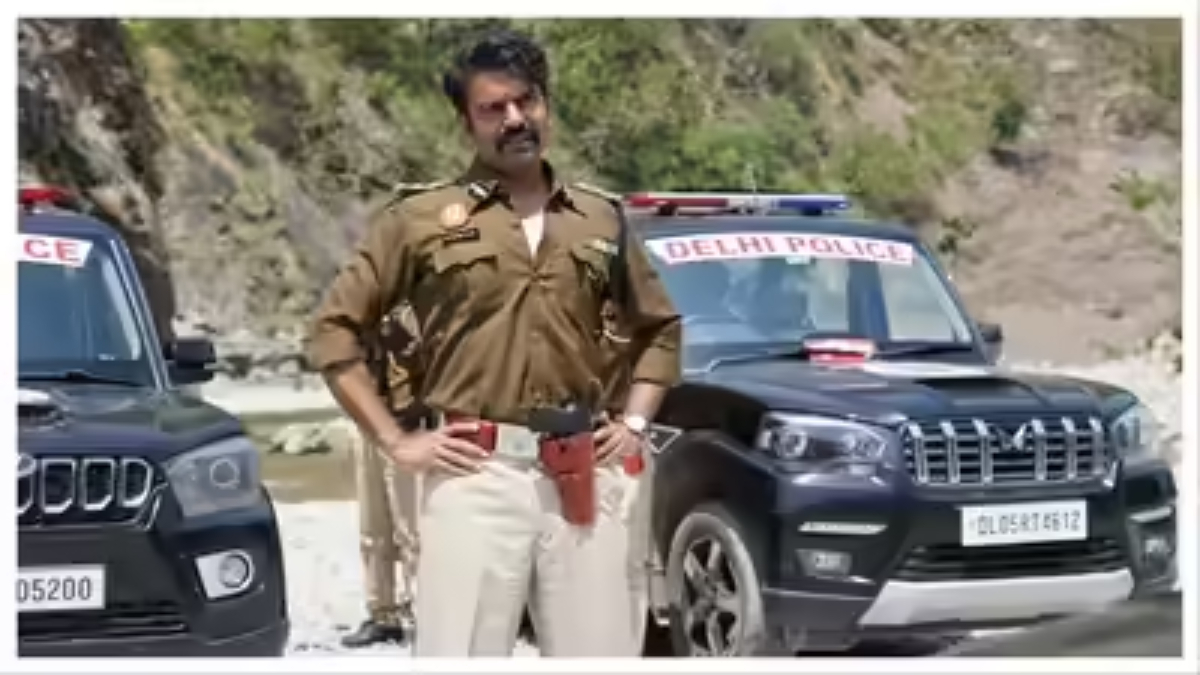
New Delhi, July 4, 2026: The transition from a high-ranking bureaucrat handling complex public policy to a Bollywood performer executing dramatic scenes is a path rarely traveled. Yet, former Indian Administrative Service (IAS) officer Abhishek Singh has made this uncommon shift look seamless. Best known to audiences for his commanding presence in Netflix’s acclaimed series Delhi Crime Season 2 and highly successful indie music videos, Singh is making headlines once again. Currently filming the highly anticipated action entertainer Gunmaaster G9 amidst the scenic landscapes of Uttarakhand, the bureaucrat-turned-actor has opened up about a milestone that hits incredibly close to home: finally donning a uniformed officer’s attire on camera.
For Singh, stepping into the uniform isn’t just an artistic choice; it is the manifestation of a childhood dream. In a recent press interaction from the movie set, he shared that the experience felt like his life had come full circle. While his tenure in the civil services allowed him to serve the nation at the highest administrative tiers, it never granted him the chance to wear a formal uniform. Landing a role that requires him to suit up as a law enforcement officer has bridged a deeply personal gap, bringing an emotional weight to his latest cinematic venture that far exceeds a typical acting assignment.
The Shadow of the Khaki: A Childhood Aspiration
To understand why this specific portrayal is a “dream fulfilled” for Abhishek Singh, one must look closely at his upbringing. Singh’s father served as an officer in the Indian Police Service (IPS), meaning he spent his formative years observing the intense discipline, respect, and social impact that accompany the khaki uniform. Growing up in a household where public service was a daily reality, the uniform naturally became an ultimate symbol of courage, unwavering duty, and systemic change.
Though he chose the civilian path of governance by cracking the notoriously competitive Union Public Service Commission (UPSC) exams to join the 2011-batch of the Uttar Pradesh IAS cadre, the subtle allure of the uniform remained. Singh’s journey underscores a fascinating psychological truth about life choices: sometimes, the passions we put aside to build a stable, prestigious career find a way to resurface when we least expect them. Having resigned from his government designation to dedicate his full attention to the creative arts, the silver screen has finally granted him the one honor his administrative desk could not.
Sharing the Screen with Industry Heavyweights
Gunmaaster G9, directed by filmmaker Aditya Datt and backed by producer Deepak Mukut, represents a major leap forward for Singh’s acting career. Rather than leaning on minor cameos, the film places him squarely within an ensemble cast featuring some of Hindi cinema’s most established and versatile talents. Singh will be sharing major screen space with Bollywood veteran Emraan Hashmi, alongside the widely celebrated Genelia Deshmukh and the effortlessly charismatic Aparshakti Khurana.
Working with an actor like Hashmi, who has successfully navigated the industry for over two decades, has been an invaluable learning experience for the former IAS officer. Singh expressed intense gratitude toward his director and production house for entrusting him with a layered role that requires both raw physical execution and high emotional intelligence. The creative synergy on the Uttarakhand set has allowed him to elevate his craft, pushing him beyond his previous comfort zones as a performer.
A Journey Marked by Unconventional Choices
Abhishek Singh’s rise within the entertainment space has been anything but conventional. Long before he stepped onto the set of Gunmaaster G9, he was already a recognized figure in popular culture. While still managing his administrative responsibilities, his distinct “tough-guy” look and natural screen presence caught the attention of leading musical artists. He shot to mainstream fame by featuring in viral, chart-topping music videos alongside industry titans like Badshah, Jubin Nautiyal, and B Praak—most notably starring in the video for the hit track Dil Tod Ke, which garnered hundreds of millions of views.
However, it was his performance as an administrative official in the second season of Netflix’s Emmy-winning true-crime drama Delhi Crime that solidified his reputation as a serious actor. Rather than playing a caricatured version of a bureaucrat, Singh drew heavily from his real-world experiences inside the hallways of Indian governance to deliver a performance marked by authenticity, restraint, and deep empathy. This unique background sets him apart from industry outsiders; where other actors must rely entirely on imagination to play public servants, Singh draws from a rich reservoir of genuine memories, paperwork, policy debates, and crises managed.
Redefining the Second Innings
Leaving the security and immense social prestige of the IAS is a gamble that very few would ever dare to take. For decades, the civil services have been viewed in India as the pinnacle of professional achievement—a lifelong commitment to the state. By walking away to pursue the performing arts, Singh has actively challenged the rigid boundaries that traditionally separate administrative life from creative expression.
His transition proves that a career does not have to be a straight, unyielding line. Instead, it can be a series of distinct chapters, each enriching the next. The discipline, observational skills, and deep understanding of human nature that Singh cultivated while working as a magistrate and district administrator serve as his greatest assets when analyzing complex scripts and building multi-dimensional characters.
As filming continues for Gunmaaster G9, audiences are eager to see how his personal connection to law enforcement shapes his performance. By channeling the memory of his father’s service and his own unfulfilled dream into this character, Singh is positioned to deliver a performance that is profoundly authentic. For this bureaucrat-turned-actor, the uniform is no longer just a wardrobe piece provided by a production department—it is a deeply personal badge of honor, worn a generation later, under the flash of studio lights.
To learn more about his initial transition into the entertainment industry, you can watch this interview detailing Abhishek Singh‘s early acting journey, where he discusses his first breakout roles and how his time in the civil services helped him build deep empathy for his characters.