

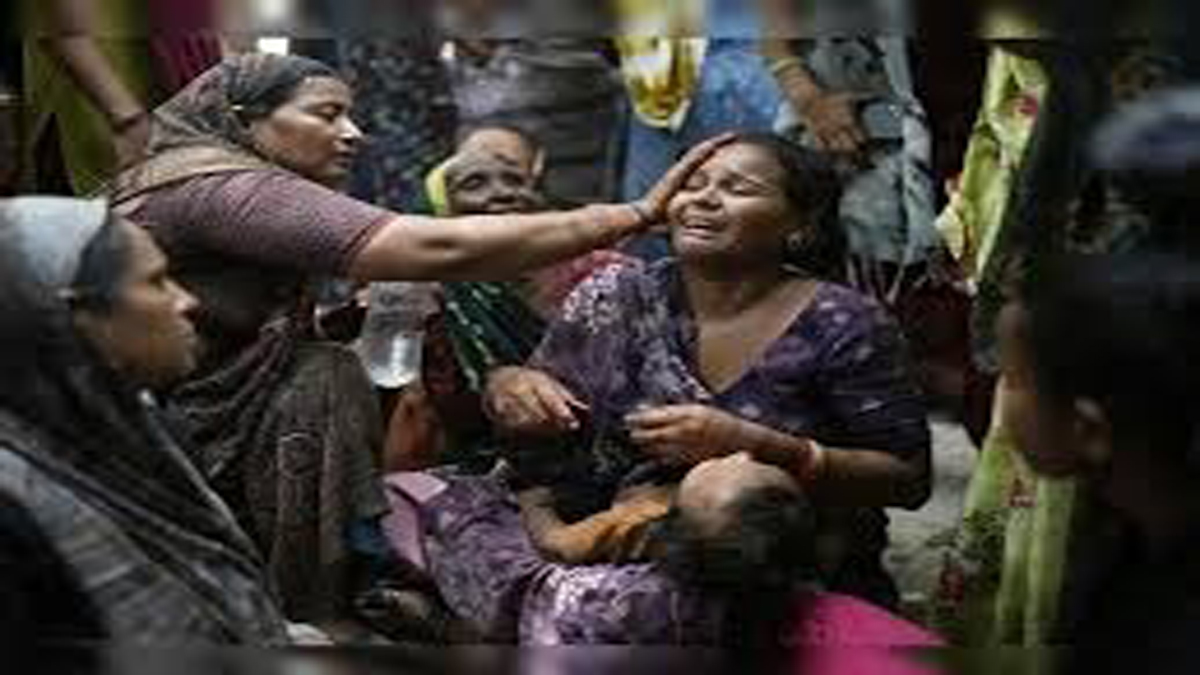
New Delhi, February 17, 2026: In a chilling testament to the growing bystander apathy on urban roads, a grieving mother has shared the harrowing final moments of her son, who died following a brutal road accident in North Delhi. Her account paints a devastating picture of a young life lost while witnesses allegedly looked on, recording videos instead of offering aid.
The victim, identified as 24-year-old Sahil, was returning home on his motorcycle when he was struck by a speeding luxury vehicle late Tuesday night. While the impact itself was severe, his family maintains that it was the lack of immediate medical intervention that turned a survivable injury into a tragedy.
A Desperate Plea Ignore
According to his mother, who spoke to reporters outside the mortuary, Sahil remained conscious for several minutes after the collision.
“My son was lying there in a pool of blood. He wasn’t dead yet. Witnesses told us he screamed for help for nearly ten minutes, begging people to take him to the hospital,” she said, her voice trembling with emotion. “People gathered, but they didn’t touch him. They were busy filming his pain on their phones.”
The delay in the “Golden Hour”—the critical first sixty minutes after a trauma—often makes the difference between life and death. In Sahil’s case, by the time a PCR (Police Control Room) van arrived and transported him to the nearest trauma center, he had succumbed to excessive internal bleeding.
The Investigation So Far
The Delhi Police have registered a case under relevant sections of the Bharatiya Nyaya Sanhita (BNS), including:
- Section 106 (causing death by negligence)
- Section 281 (rash driving)
CCTV footage from the stretch of road has been recovered, showing a dark-colored sedan weaving through traffic moments before the crash. While the driver fled the scene, authorities claim to have identified the vehicle’s registration number and have dispatched teams to make an arrest.
The Growing Crisis of “Digital Bystanders”
This incident has once again ignited the debate over the “Good Samaritan Law,“ which was designed to protect citizens who help accident victims from legal harassment. Despite these protections, many residents remain hesitant to intervene, often preferring the safety of their camera lenses over the responsibility of physical assistance.
Key Challenges Highlighted by the Incident:
- Apathy: The psychological phenomenon where individuals are less likely to offer help when others are present.
- Fear of Litigation: Despite legal safeguards, the fear of police questioning remains a significant barrier.
- Content Culture: The disturbing trend of prioritizing social media content over human life.
A Family Left Behind
Sahil was the primary breadwinner for his family, working as a delivery executive while pursuing a part-time degree. His father, a retired clerk, described him as a “cautious rider” who always wore a helmet.
“The helmet saved his head, but it couldn’t save him from the coldness of the world,” his father remarked. “If just one person had put him in an auto-rickshaw and driven him five minutes to the clinic, my son would be sitting here today.”
As the hunt for the driver continues, the local community has called for a candlelight vigil at the site of the accident, demanding not just justice for Sahil, but a wake-up call for a city that seems to have lost its empathy.